Nordic Kids’ Room: Simplicity and Function in Focus

Nordic Kids’ Room: Simplicity and Function in Focus
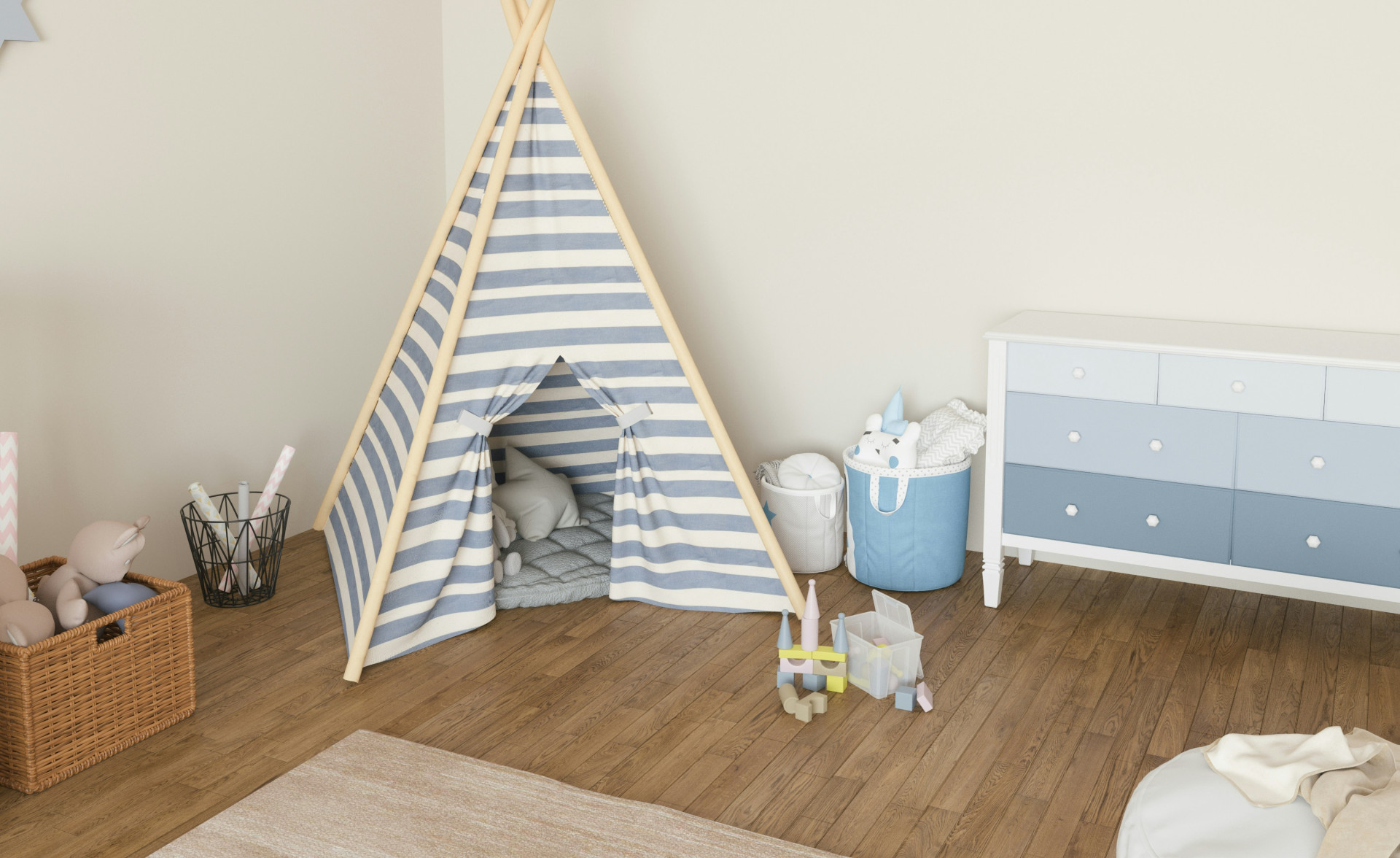
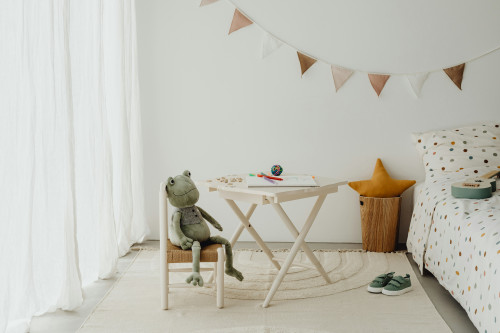
Scandinavian design has long been admired for its calm, light-filled spaces and thoughtful functionality—and the children’s room is no exception. A Nordic-inspired kids’ room is about creating a space where play, learning, and rest coexist in harmony. With a focus on simplicity, natural materials, and flexible design, you can craft a room that grows with your child while maintaining a timeless, cozy aesthetic.
Light, Air, and Natural Materials
At the heart of Nordic design is a love for light and nature. Start with a bright, neutral base—white or soft gray walls, pale wood floors, and natural textiles like cotton, linen, or wool. These materials create a soothing backdrop that can be easily refreshed with subtle color accents inspired by the outdoors: muted greens, sandy beiges, soft blues, or warm grays.
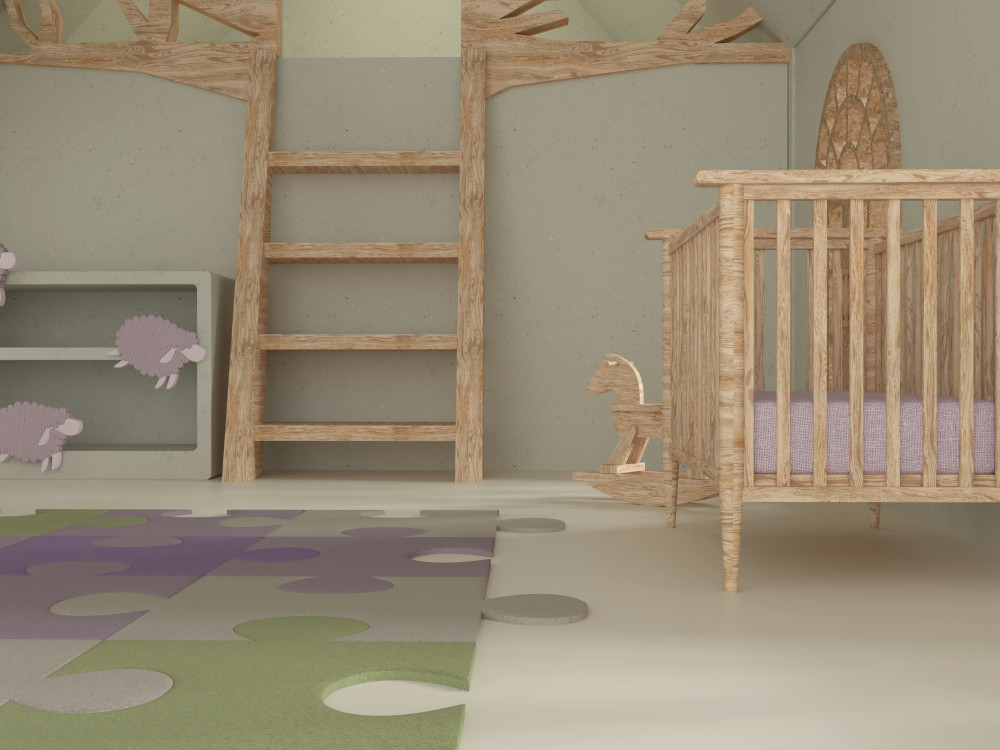
Wood plays a central role in Scandinavian interiors. Whether it’s a birch bookshelf, a pine bed frame, or small oak hooks on the wall, wood adds warmth and texture. When possible, choose sustainably sourced or FSC-certified wood and eco-friendly finishes. It’s better for the planet—and for the air your child breathes.
Function Over Clutter
In a Nordic kids’ room, every piece has a purpose. The goal is to design a space that adapts to your child’s changing needs—somewhere to play, rest, and learn without feeling crowded.
- Multifunctional furniture such as beds with built-in drawers, adjustable shelving, or foldable desks helps maximize space and flexibility.
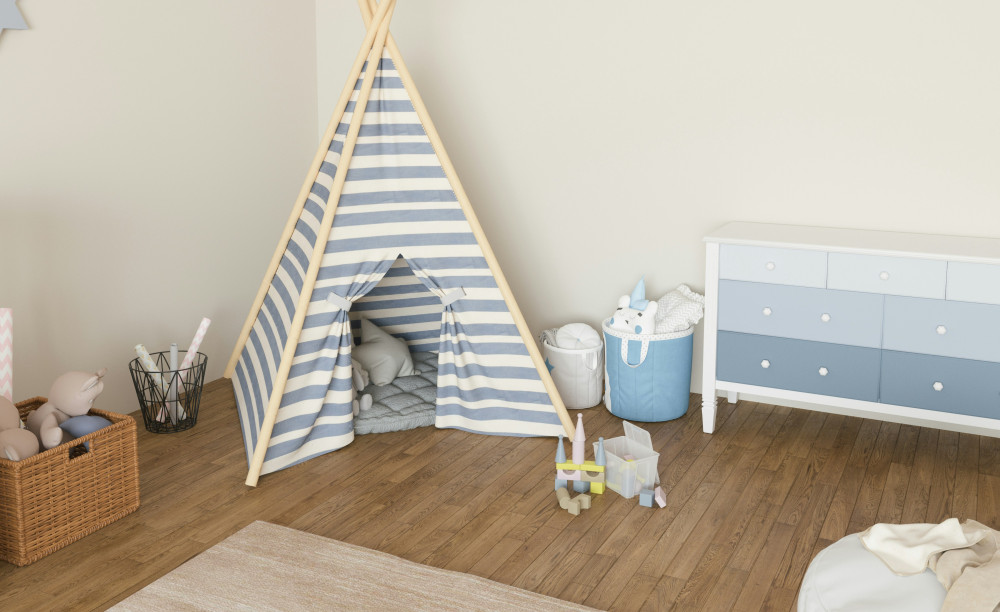
- Defined zones make the room feel organized: a play corner, a reading nook, and a dedicated storage area.
- Child-height storage encourages independence and makes cleanup part of the daily routine.
By keeping the layout simple and intentional, you create a room that feels open and easy to maintain—no matter how many toys come and go.
Color and Atmosphere
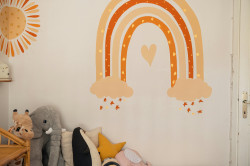
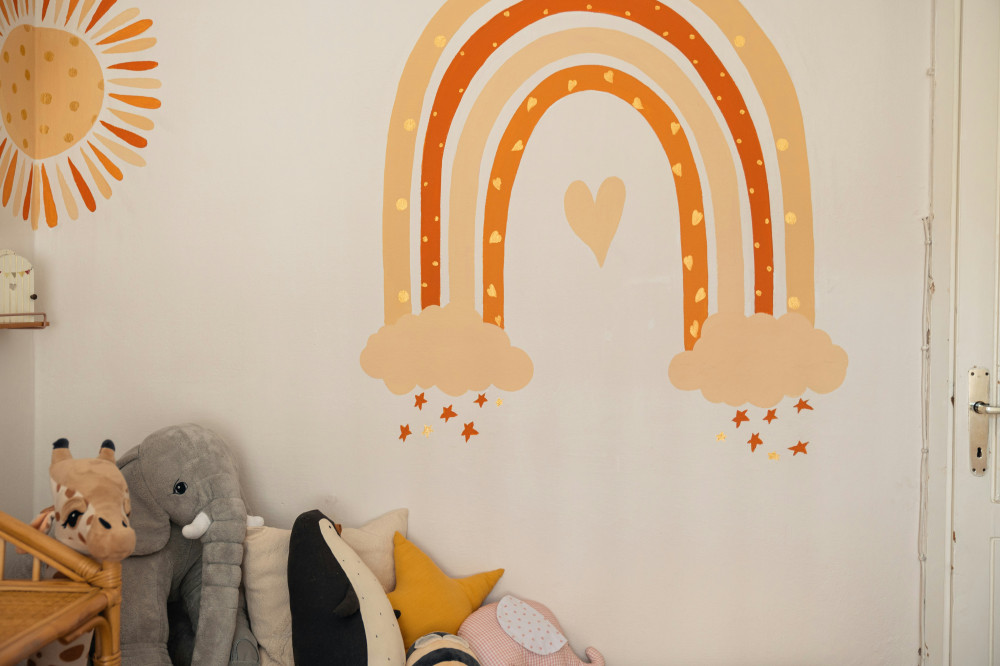
While Nordic interiors are known for their neutral tones, a child’s room should still reflect personality and joy. The key is balance. A calm base allows colorful details—like art prints, pillows, or toys—to stand out without overwhelming the space. These accents can be easily swapped as your child’s interests evolve.
Avoid overdecorating the walls. A few framed prints, a corkboard for drawings, or a simple wall shelf can be enough. Instead, use texture to add depth: a soft rug, a woven basket, or a felt lampshade can make the room feel warm and inviting without adding visual noise.
Play and Learning in Harmony
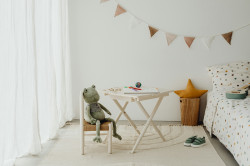
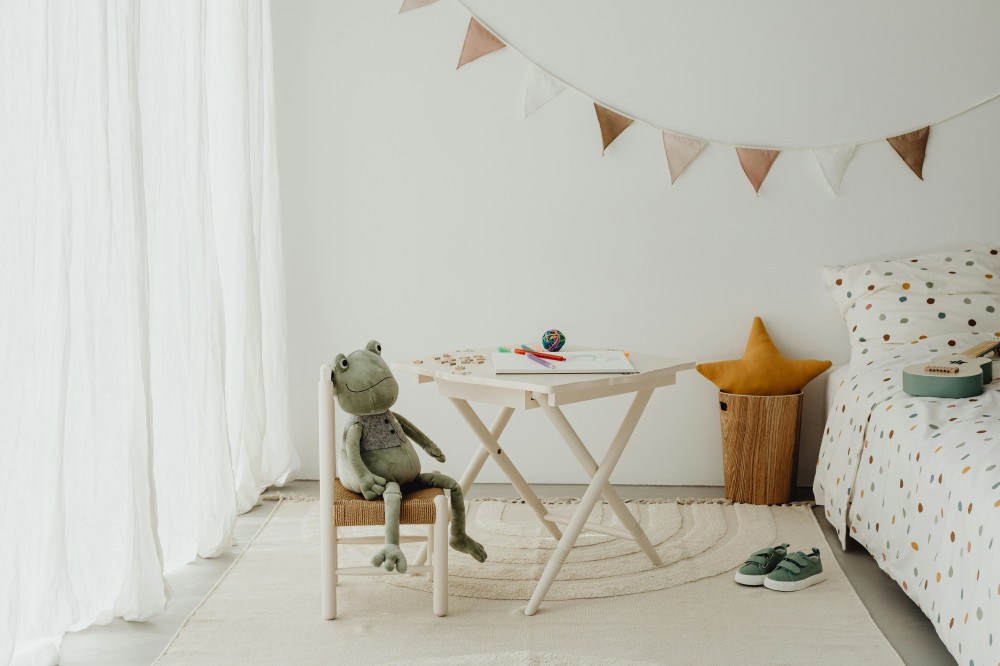
A well-designed kids’ room should spark creativity while offering moments of calm. In the Nordic approach, play and rest are equally valued. A small table for drawing or building can sit near a cozy reading corner with cushions and a warm light.
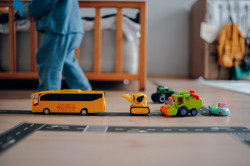
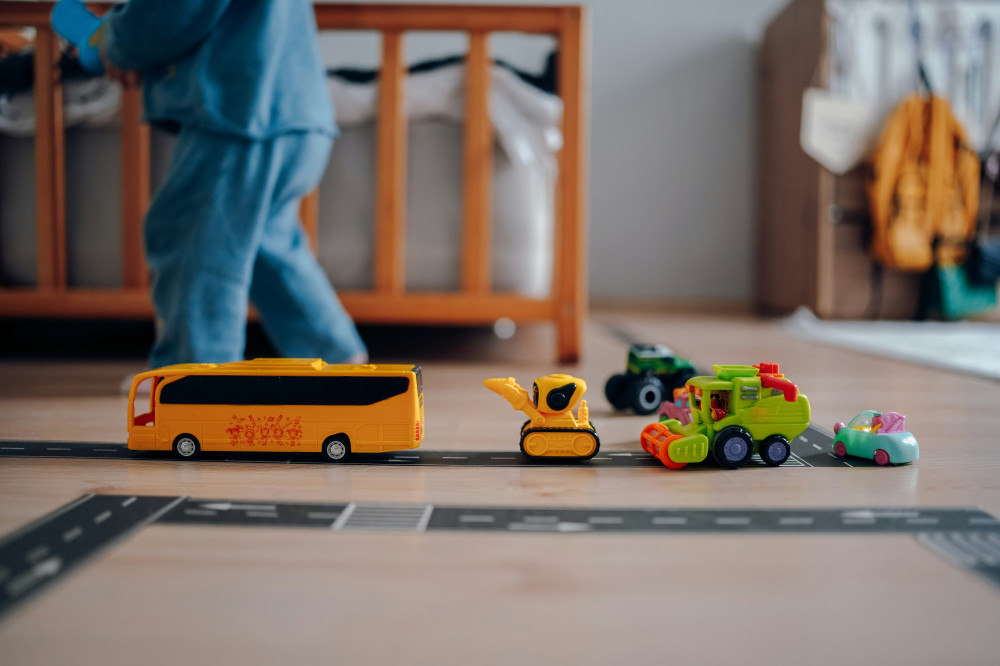
Keep toys visible but organized. Open shelves, fabric bins, and wooden boxes make it easy for children to find what they need—and to put it back afterward. This not only keeps the room tidy but also fosters a sense of responsibility and independence.
A Room That Grows With Your Child
One of the greatest strengths of Nordic design is its timelessness. By choosing simple furniture and neutral colors, you can easily update the room as your child grows. A crib can become a toddler bed, and later a daybed. Toys can give way to books, art supplies, or musical instruments—without the need for a full redesign.
Small updates, like new bedding, wall art, or a fresh coat of paint, can transform the space while preserving its calm foundation.
Læs også:
Simple Choices, Lasting Impact
A Nordic-inspired kids’ room isn’t about following trends—it’s about creating a space that feels good to live in. When you choose quality over quantity, natural materials over plastic, and function over excess, you build a room that’s beautiful, practical, and enduring.
In the end, simplicity is what makes the space truly special: a room where your child can play freely, rest deeply, and grow surrounded by calm and comfort.
Læs også: