Safety and Aesthetics in the Kids’ Room – How to Find the Right Balance

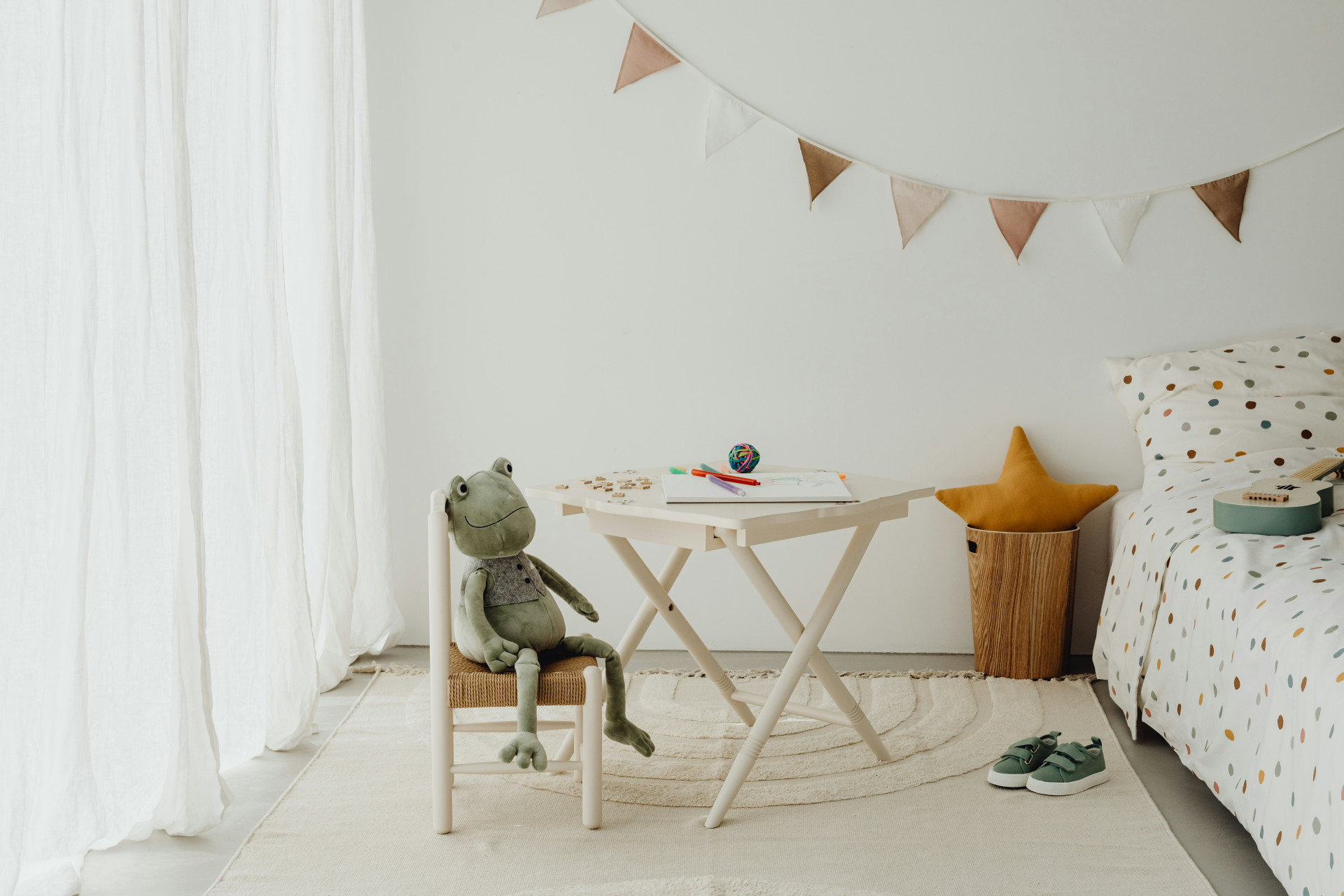
Safety and Aesthetics in the Kids’ Room – How to Find the Right Balance
A child’s room should be a safe haven for play, rest, and imagination – but it should also reflect their personality and spark creativity. For many parents, the challenge lies in finding the right balance between safety and style. Here’s how to create a space that’s both secure and beautiful, tailored to American homes and lifestyles.
Start with Safety – The Foundation of Every Kids’ Room
Before you think about colors, patterns, or décor, make sure the room is safe. Young children explore with curiosity, and even small hazards can lead to accidents. A few key precautions can make a big difference.
- Anchor furniture to the wall – Dressers, bookshelves, and other tall pieces should be secured to prevent tip-overs. The U.S. Consumer Product Safety Commission (CPSC) recommends using anti-tip kits for all heavy furniture.
- Choose rounded edges – Opt for furniture with soft corners or add corner guards to existing pieces.
- Ensure proper lighting – Good lighting prevents falls and creates a welcoming atmosphere.
- Use non-toxic materials – Select paints labeled “low-VOC” or “zero-VOC,” and choose textiles certified by OEKO-TEX or similar standards to avoid harmful chemicals.
- Keep cords and strings out of reach – Window blind cords and electrical cords should be secured or replaced with cordless options.
- Place the bed safely – Avoid positioning it under heavy shelves or near windows.
Once safety is taken care of, you can focus on making the room cozy, functional, and full of personality.
Design a Look That Grows with Your Child
Kids grow fast, and their tastes change just as quickly. Instead of designing a room that fits only one stage, create a flexible foundation that can evolve over time.
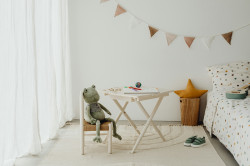
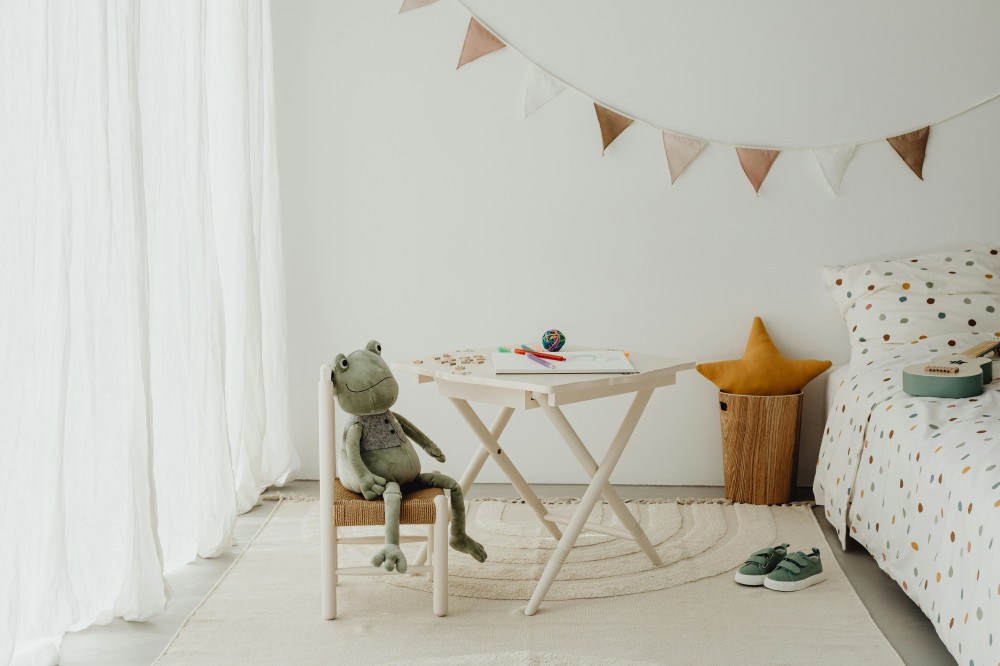
- Neutral walls and floors provide a calm backdrop that can be refreshed with colorful bedding, art, or toys.
- Adjustable furniture – Desks, chairs, and beds that can adapt to your child’s height or needs will last longer.
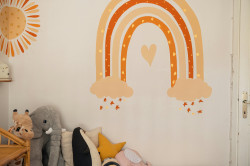
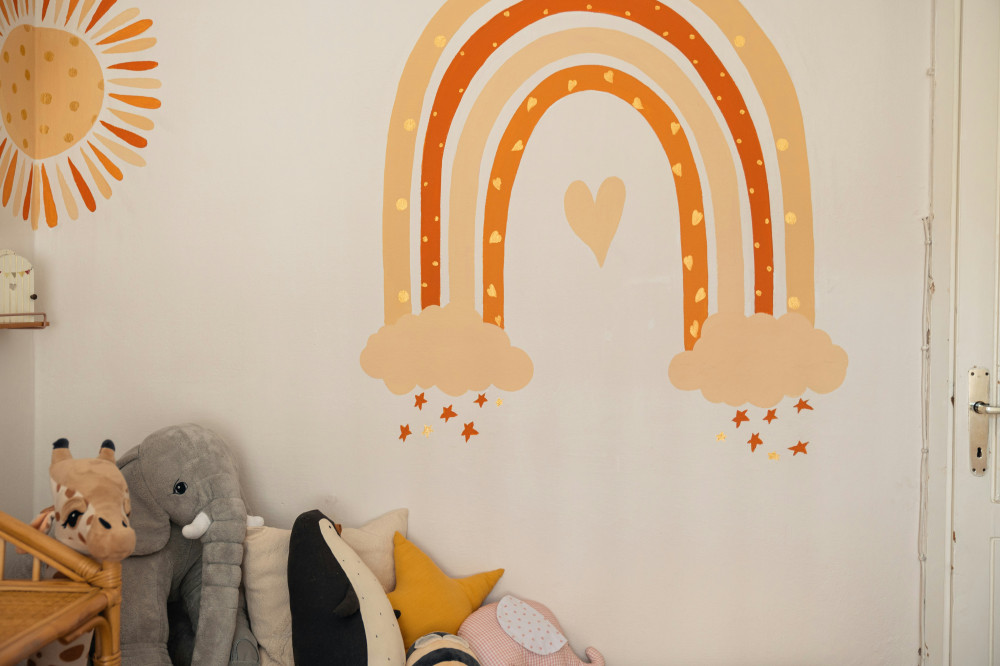
- Personal touches – Display your child’s artwork, photos, or favorite colors to make the space feel uniquely theirs.
This approach keeps the room stylish and practical without constant overhauls.
Create Zones for Play, Learning, and Rest
A well-organized kids’ room supports both activity and relaxation. Dividing the space into zones helps children understand where different activities belong.
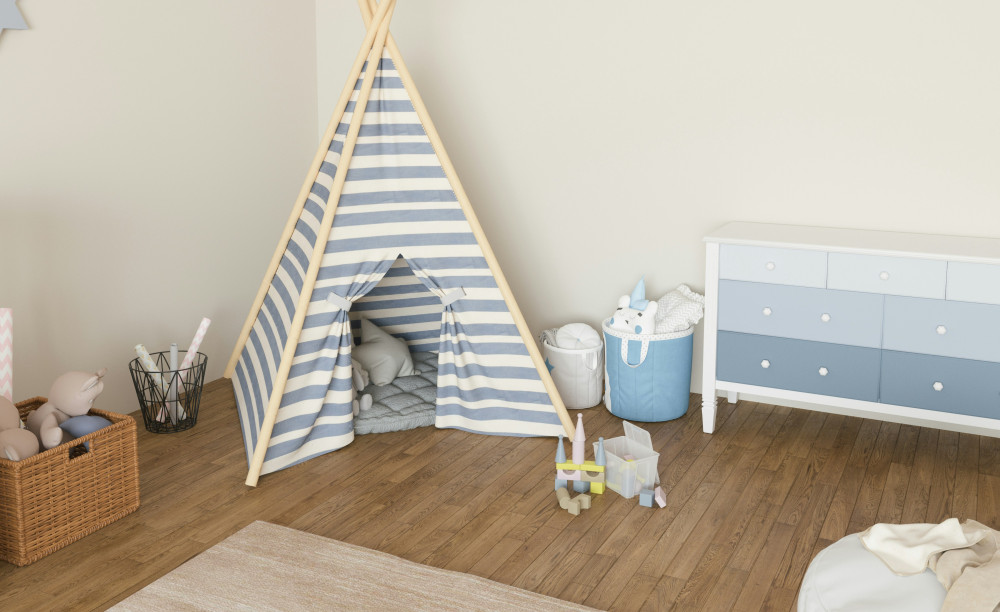
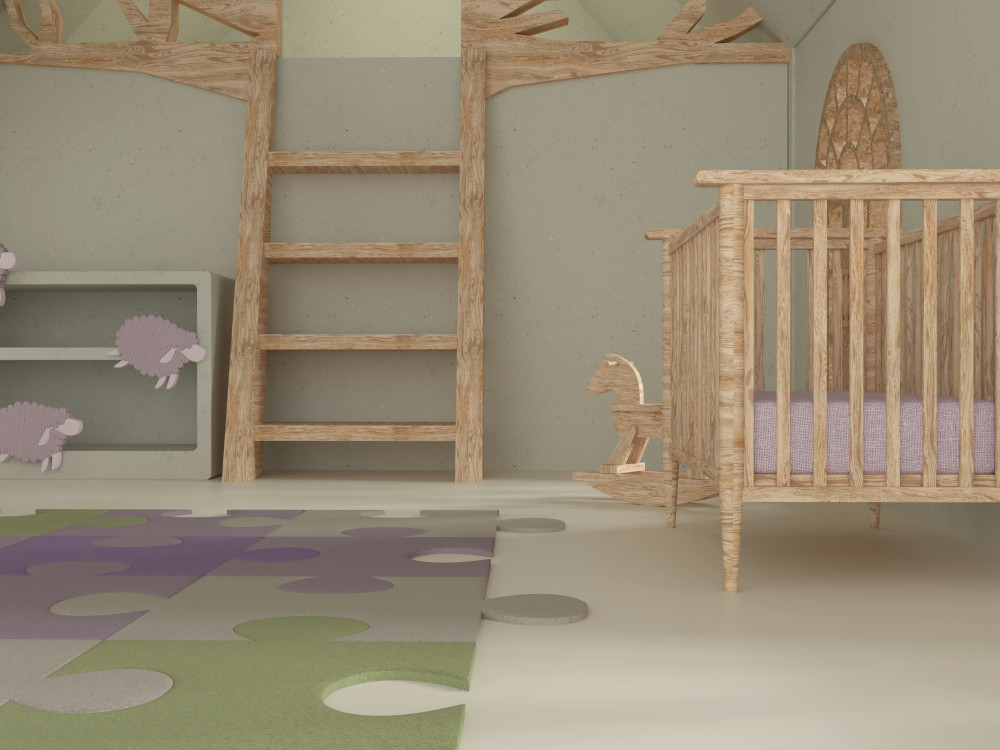
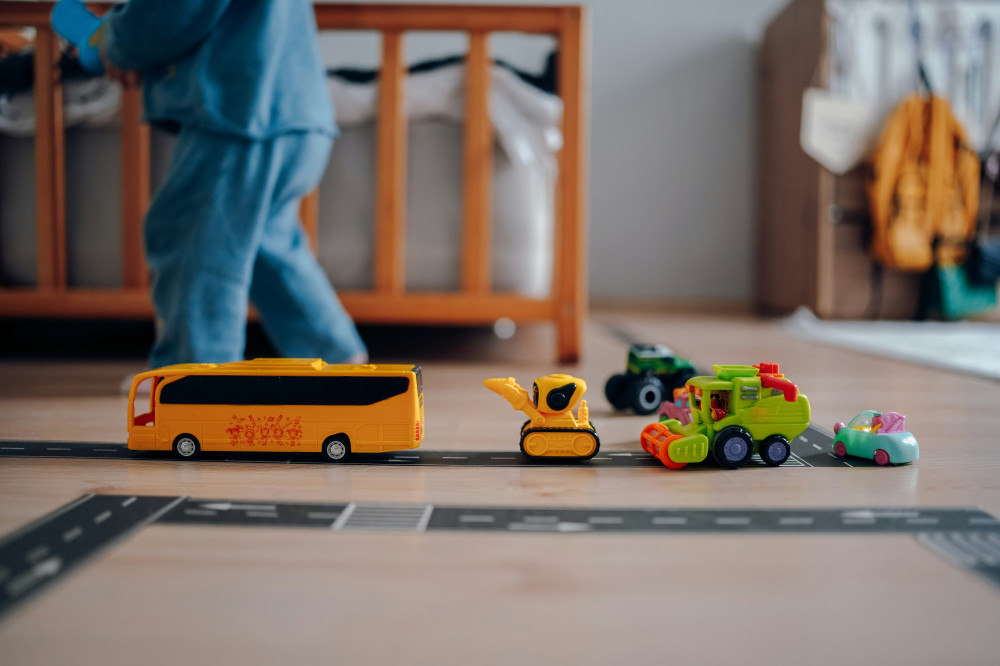
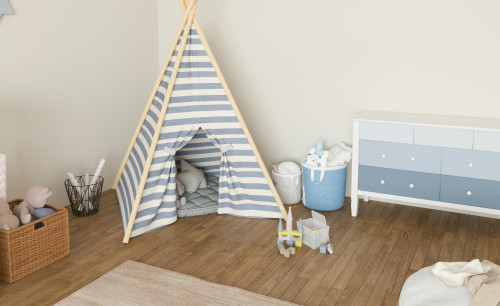
- Play zone – Use soft rugs or foam mats and keep toys in labeled bins or baskets for easy cleanup.
- Sleep zone – Keep this area calm and clutter-free, with soothing colors and minimal distractions.
- Reading or quiet corner – Add a small bookshelf, a comfy chair or beanbag, and a warm lamp to encourage downtime.
Zoning not only keeps the room tidy but also helps children develop routines and independence.
Choose Colors and Materials Thoughtfully
Colors influence mood and energy levels. In a child’s room, the right palette can make a big difference.
- Soft pastels promote calm and are ideal for sleeping areas.
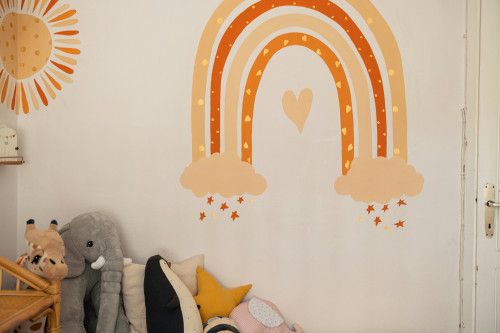
- Warm, cheerful tones like yellow, green, or coral can energize play spaces.
- Natural materials such as wood, cotton, and wool create a cozy, grounded feel.
Avoid overcrowding the room with too many patterns or bright colors. A few well-chosen details often make a stronger visual impact than an overload of décor.
Læs også:
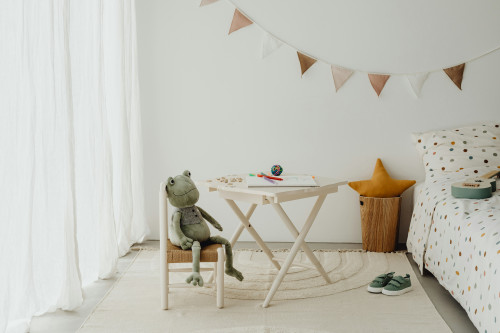
Involve Your Child in the Process
When children are old enough, let them help design their space. It gives them a sense of ownership and pride.
Offer choices within boundaries – for example, let them pick a wall color from a few options or choose their bedding and wall art. You can also work on small DIY projects together, like painting a picture frame or building a toy shelf. These shared moments make the room more meaningful and memorable.
A Balanced Room for Growth and Comfort
A kids’ room should be more than just pretty – it should be a safe, nurturing environment where your child can grow, play, and dream. By combining safety, functionality, and aesthetics, you create a space that supports both well-being and creativity.
Finding the right balance isn’t about choosing between safety and style – it’s about letting them complement each other, so your child’s room feels as good as it looks.
Læs også: