Sensors and Automation as the Key to Energy Savings in the Home


Sensors and Automation as the Key to Energy Savings in the Home
Energy use in American homes is changing rapidly. Where we once relied on our own habits to turn off lights, adjust the thermostat, or unplug devices, technology can now do much of that work for us. Sensors and automation have become essential tools in reducing utility bills and creating more sustainable living spaces. But how do they actually work—and where should you start if you want to make your home smarter?
Smart Sensors – The Home’s Invisible Helpers
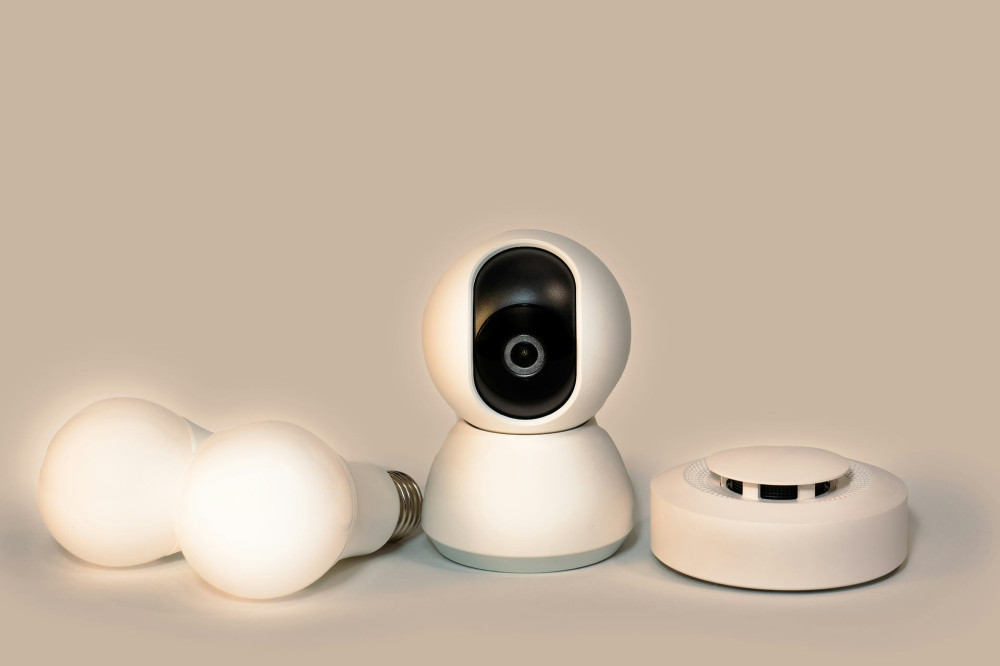
Sensors are small but powerful components that detect motion, temperature, light levels, humidity, and more. They act as the “senses” of a smart home, sending information to systems that can respond automatically.
A common example is motion sensors, which turn lights on when you enter a room and off when you leave. It sounds simple, but over the course of a year, this can save a significant amount of electricity—especially in areas like hallways, laundry rooms, and bathrooms, where lights often stay on unnecessarily.
Other sensors track temperature and humidity, communicating with thermostats or ventilation systems. This allows your heating or cooling to adjust automatically when windows are open or when sunlight naturally warms a room.
Automation – When the Home Thinks for Itself
Automation connects the different systems in your home so they can work together. It can be as simple as a timer on your coffee maker or as advanced as a fully integrated smart home system that manages lighting, heating, cooling, and appliances based on your habits and preferences.
A great example is smart thermostats, which learn your schedule and adjust the temperature accordingly. They can even take weather forecasts into account, lowering the heat if the day is expected to be sunny. The result is a more comfortable indoor climate and lower energy consumption.
With scenes or routines, you can combine multiple actions into a single command. When you say “good night” to your voice assistant, the system can automatically turn off all lights, lower the thermostat, and arm the security system. It’s convenient, efficient, and energy-saving all at once.
Data as the Key to Conscious Consumption
One of the biggest advantages of sensors and automation is the insight they provide into your energy use. Many systems display real-time data showing how much electricity or heating you’re using—and when. This makes it easier to spot energy-hungry devices and adjust your habits.
Some solutions can even predict usage patterns and suggest improvements. If the system notices that you often leave lights on in a certain room, it can automatically adjust the settings. In this way, technology becomes not just a helper but an active partner in reducing waste.
Læs også:

Small Steps, Big Impact
Getting started doesn’t have to be expensive or complicated. Many homeowners begin with a few simple devices and expand over time:
- Smart bulbs – controlled via app or voice, and adjustable based on daylight.
- Motion sensors – automatically turn lights on and off in selected rooms.
- Smart thermostats – regulate heating and cooling based on occupancy and time of day.
- Energy monitors – show where and when electricity is being used most.
Even small investments can pay for themselves quickly through lower utility bills. And once the systems are set up, they largely take care of themselves.
The Future Home Is Self-Regulating
Technology is advancing fast. In the near future, sensors and automation won’t just react to our behavior—they’ll anticipate it. Homes will be able to adjust automatically to electricity prices, weather conditions, and residents’ routines. The combination of artificial intelligence and energy management will make it possible to optimize consumption in real time—without us having to think about it.
For many people, it’s not just about technology but also about comfort and peace of mind. A home that automatically maintains the right light, temperature, and energy balance offers both convenience and a sense of environmental responsibility.
An Investment in Comfort and Sustainability
Sensors and automation are no longer just for tech enthusiasts. They’ve become practical, affordable solutions for anyone who wants to save energy without sacrificing comfort. By letting technology handle the small, repetitive tasks, you can reduce your energy use and contribute to a more sustainable future.
It’s not about making your home complicated—it’s about making it smart.
Læs også: