Smart Switches: Simple Automation Without Advanced Technology

Smart Switches: Simple Automation Without Advanced Technology
When people think of smart home technology, they often imagine complex systems, voice assistants, and expensive gadgets. But home automation doesn’t have to be complicated. Smart switches offer an easy and affordable way to make your home more convenient and energy-efficient—without diving into advanced tech. Here’s how they work and why they might be the perfect first step toward a smarter home.
What Is a Smart Switch?
A smart switch looks and functions much like a regular light switch, but with one key difference: it can be controlled digitally. Depending on the model, you can operate it through a smartphone app, a remote control, or even a simple timer. Some versions include motion or light sensors that automatically adjust based on your surroundings.
The real advantage is automation. Instead of manually turning lights or appliances on and off, you can set them to respond automatically. For example, your porch light can turn on at sunset, or your coffee maker can start brewing when you wake up.
Everyday Benefits
Even though smart switches are simple devices, they can make a noticeable difference in daily life:
- Convenience: No more walking from room to room to flip switches.
- Energy savings: Lights turn off automatically when no one’s around, helping lower your electricity bill.
- Security: Schedule lights to turn on while you’re away, making your home look occupied.
- Flexibility: Many models let you set timers or routines that fit your lifestyle.
Small changes like these can add up to a more comfortable, efficient, and secure home.
Types of Smart Switches
There are several types of smart switches available in the U.S. market, depending on your needs and installation preferences:
- Plug-in smart switches: These plug directly into a wall outlet and are great for lamps or small appliances.
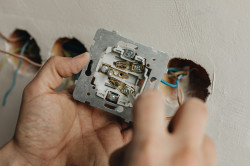
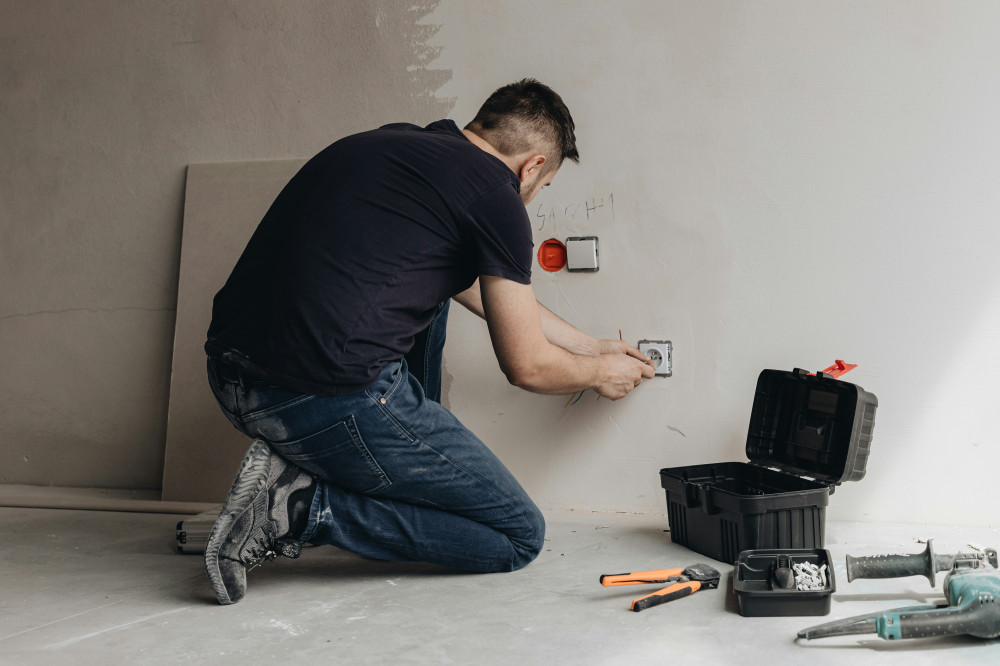
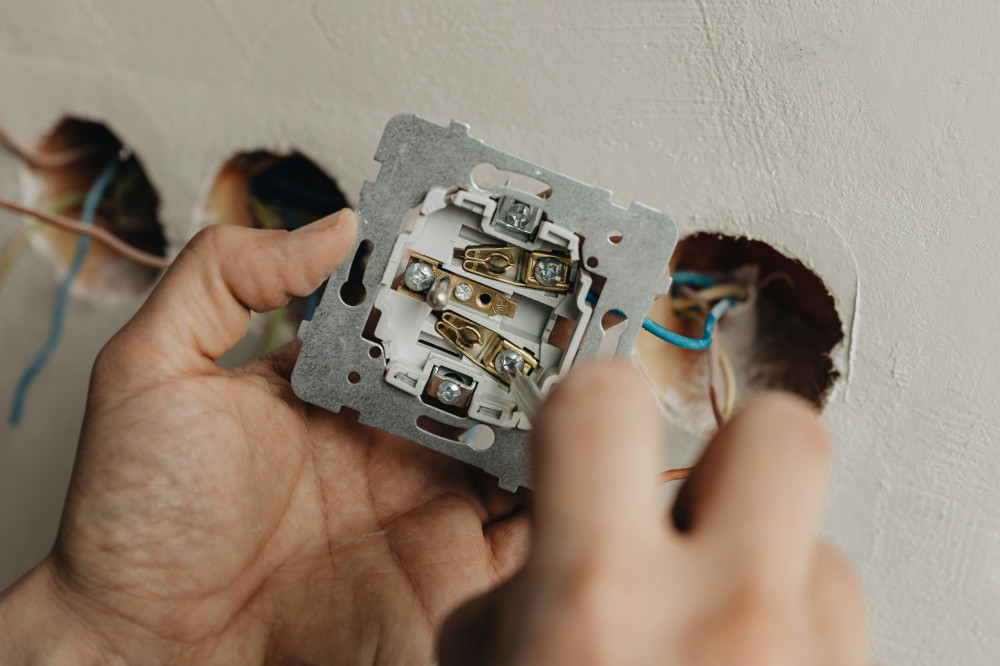
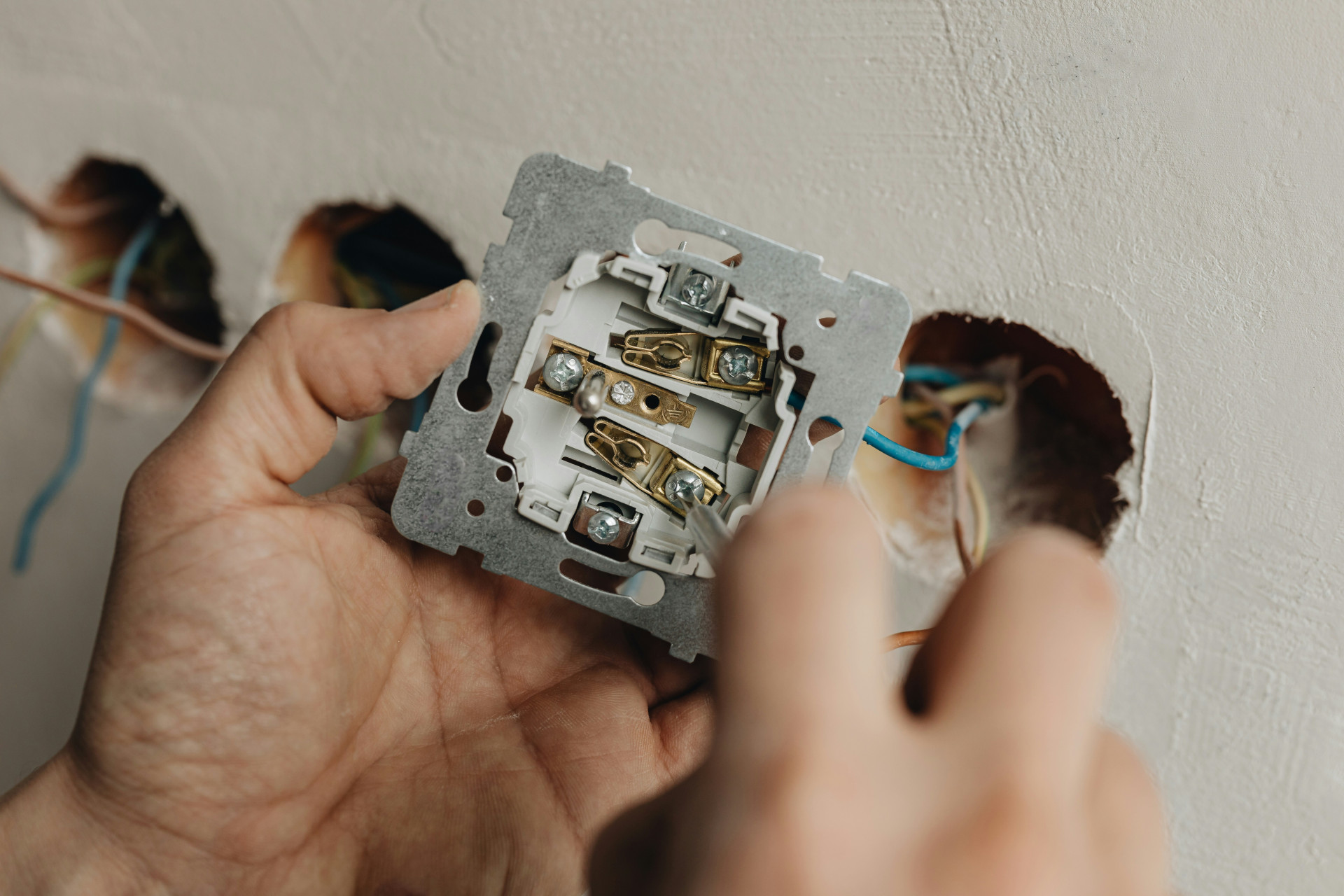
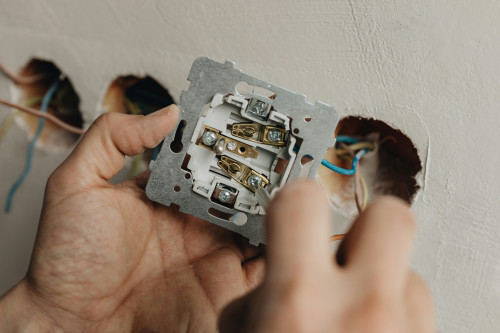
- In-wall smart switches: These replace your existing wall switches and usually require basic electrical installation. They offer a clean, built-in look.
- Wireless or battery-powered switches: Ideal for renters or anyone who doesn’t want to rewire. They communicate via Wi-Fi, Bluetooth, or radio frequency.
- Motion-sensing switches: Automatically turn lights on when movement is detected—perfect for hallways, garages, or bathrooms.
- Timer-based switches: Let you schedule lights or devices to turn on and off at specific times, such as outdoor lighting or holiday decorations.
Your choice depends on how much you want to automate and how comfortable you are with installation.
Læs også:
Getting Started
You don’t need to overhaul your entire home to enjoy smart automation. Start small—maybe with your entryway or bedroom—and expand as you go. Many smart switches are designed for easy setup and can be installed in minutes.
- Choose the right type: Decide whether you want a plug-in, wireless, or in-wall model.
- Check compatibility: Make sure the switch works with your home’s wiring and your preferred smart home platform, if you use one.
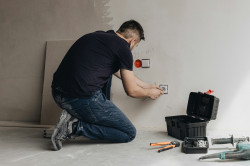
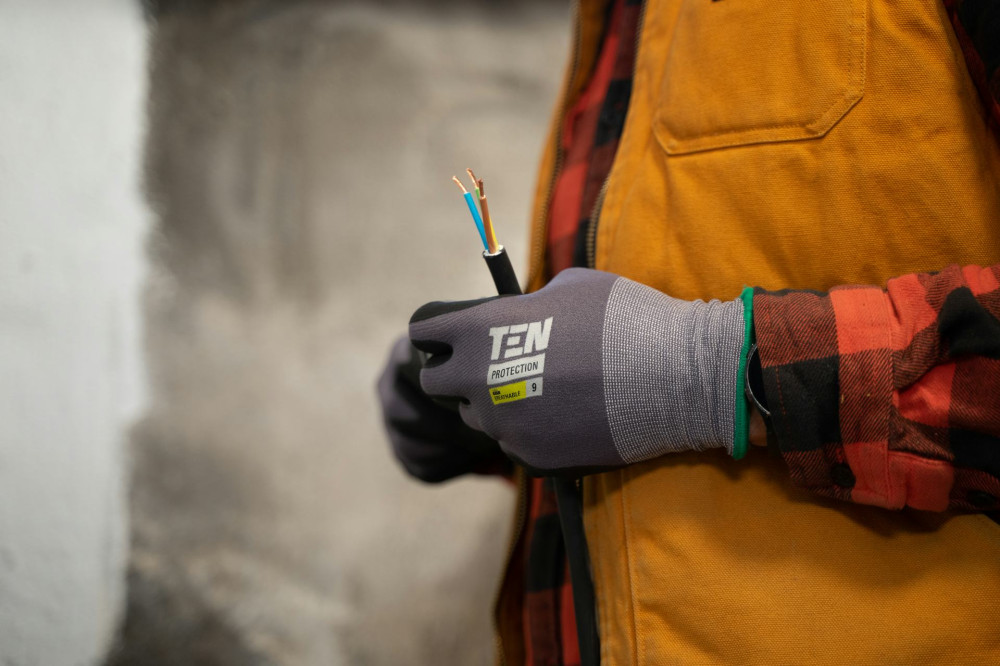
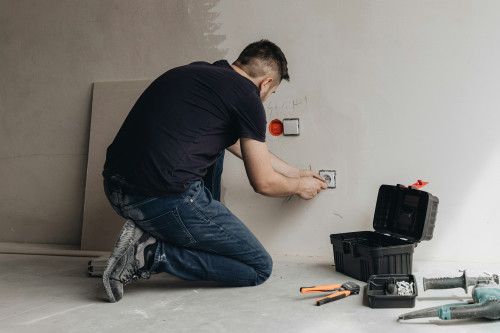
- Follow safety instructions: If you’re replacing a wired switch, turn off the power and follow the manufacturer’s guide carefully—or hire a licensed electrician.
- Experiment with settings: Try different schedules or automation triggers to find what fits your routine.
- Expand gradually: Once you’re comfortable, add more switches in other rooms for a consistent experience.
Starting simple helps you learn what works best for your household without feeling overwhelmed.
A Step Toward a Smarter Home
Smart switches prove that home automation doesn’t have to be high-tech or expensive. They’re practical, easy to use, and give you control over how much you want to automate. For many homeowners, they’re the perfect introduction to smart living—bringing comfort, efficiency, and peace of mind without the complexity.
Læs også: