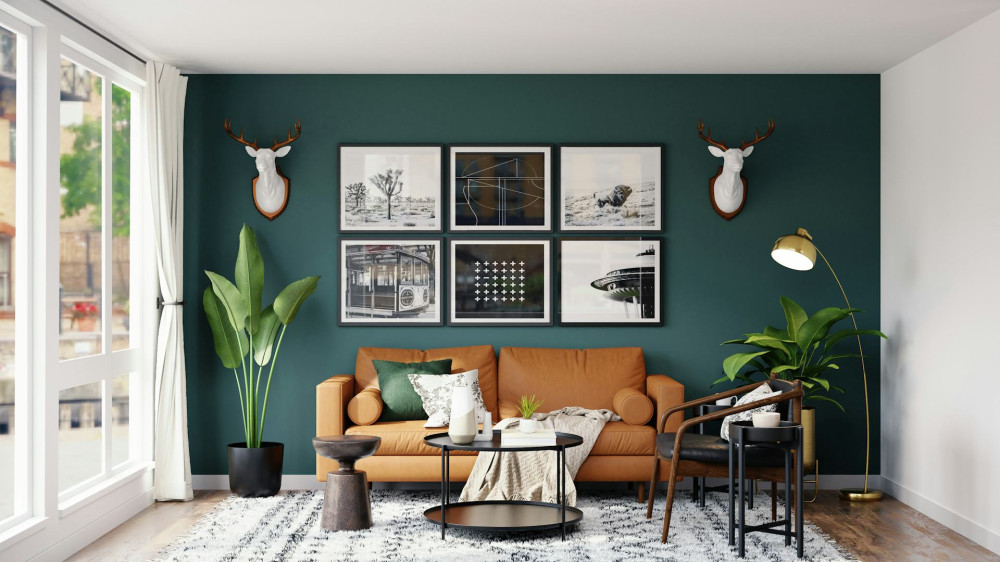
An Office That Signals Responsibility – Design with Care

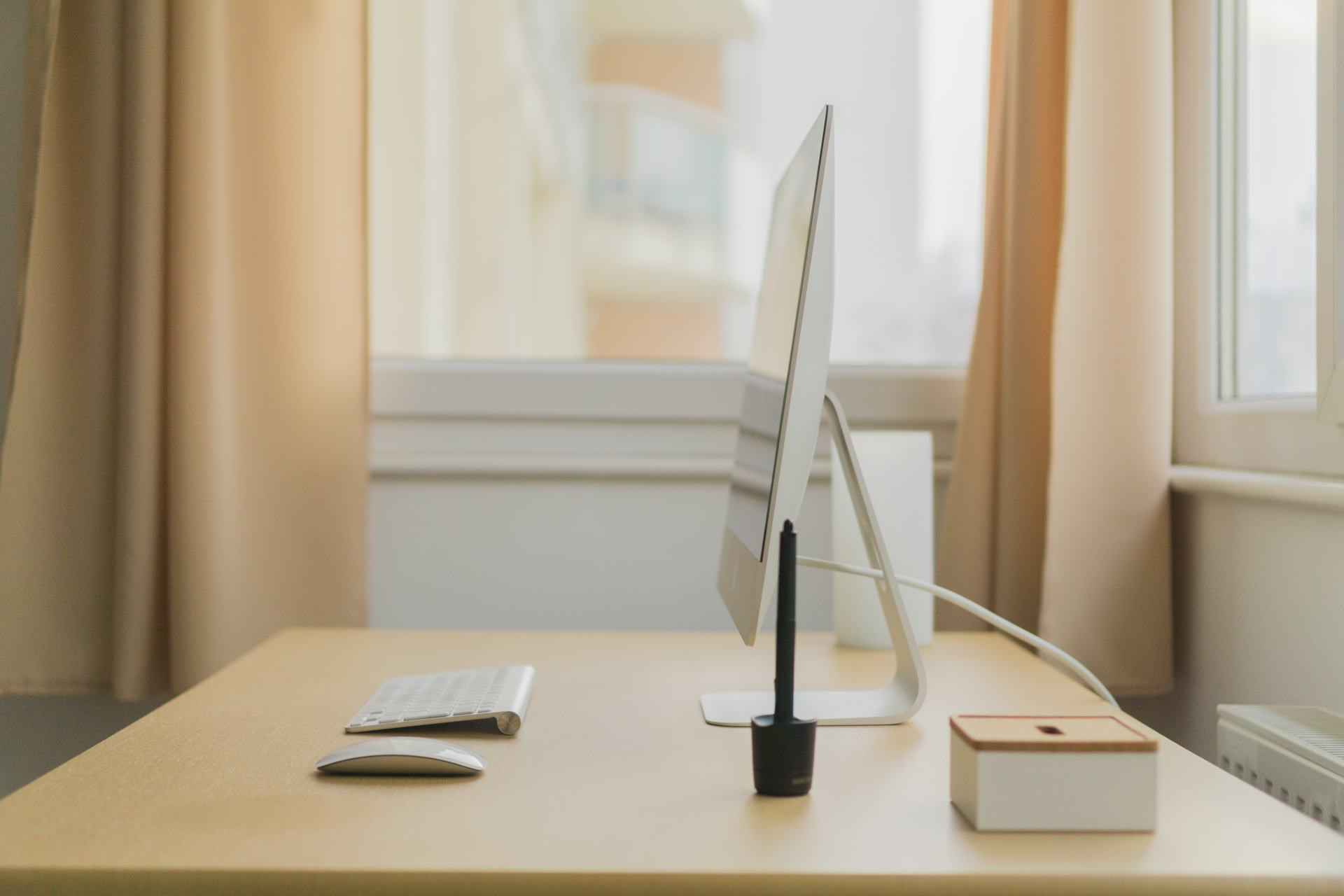
An Office That Signals Responsibility – Design with Care
An office is more than a place where work gets done. It’s a space that reflects a company’s values, culture, and priorities. In an era when sustainability, well-being, and social responsibility are increasingly important, the workplace can serve as a visible expression of those commitments. Designing an office that signals responsibility isn’t just about aesthetics—it’s about care for people, the planet, and long-term functionality.
Start with Purpose – What Should the Office Communicate?
Before choosing furniture, colors, or materials, consider what message your office should send. Should it convey calm and focus? Creativity and collaboration? Or professionalism and structure? A responsible office design begins with the company’s identity and the needs of the people who use the space every day.
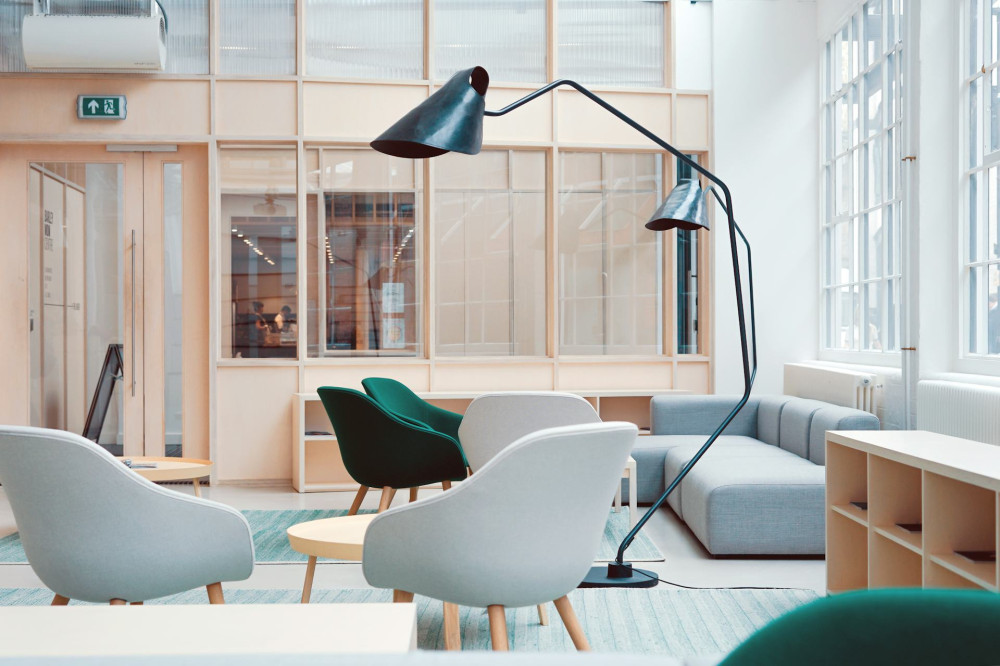
Think about how the layout can support both productivity and well-being. A thoughtfully designed office shows that the company takes responsibility for its employees—and for the impression it leaves on clients and partners.
Choose Sustainable Materials and Solutions
One of the clearest ways to demonstrate responsibility is through material choices. Furniture made from FSC-certified wood, recycled fabrics, and low-VOC paints benefits both the environment and indoor air quality. Consider investing in pieces that can be repaired, reupholstered, or upgraded rather than replaced.
Reusing and repurposing are also powerful options. Many U.S. companies now mix new and vintage furnishings to reduce waste and add character. A reclaimed wood desk or a refurbished light fixture can bring authenticity and warmth to the space while reducing environmental impact.
Support Well-Being with Light, Air, and Sound
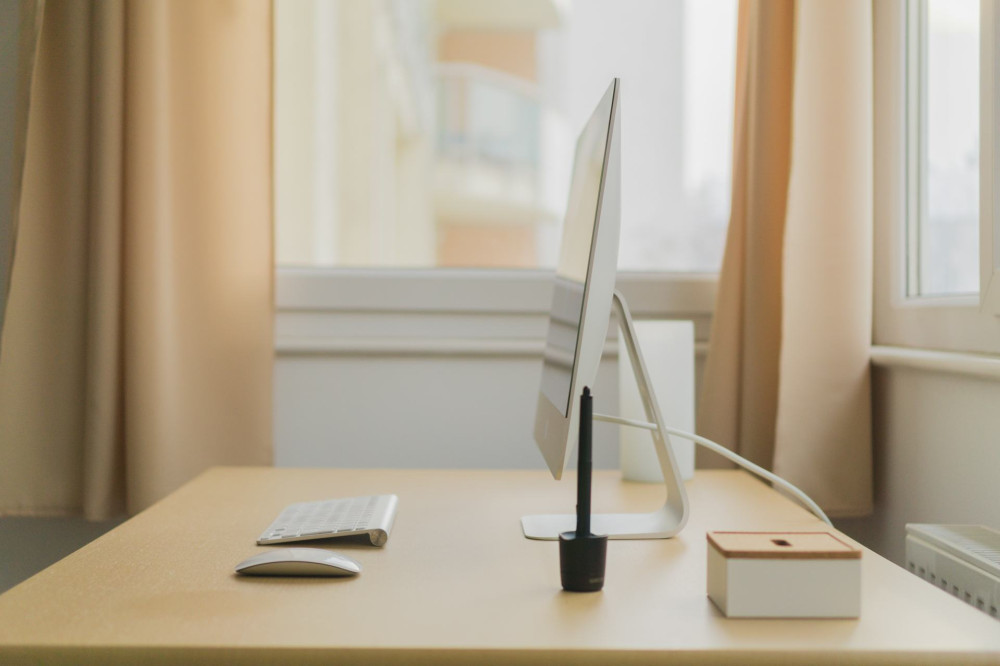
A responsible office design prioritizes the health and comfort of its people. Natural light, fresh air, and good acoustics are essential for focus and energy. Position workstations near windows whenever possible, and supplement with energy-efficient lighting that mimics daylight.
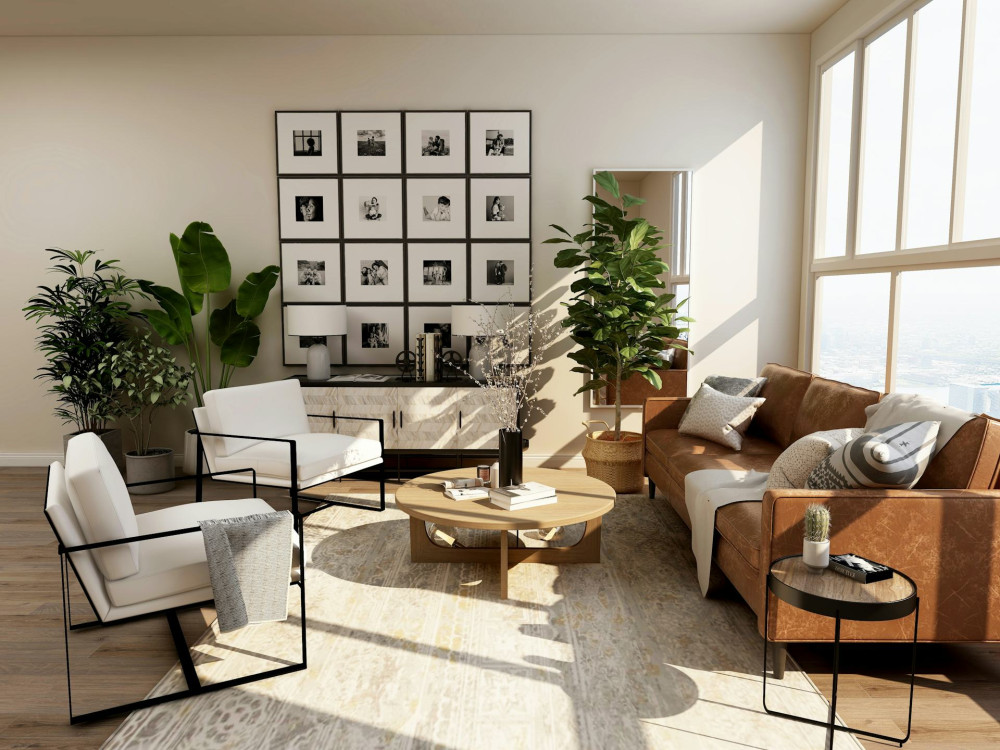
Plants are a simple yet effective way to improve air quality and atmosphere. They add life, reduce noise, and create a sense of calm. At the same time, they signal that the company values nature and balance—qualities that resonate with employees and visitors alike.
Læs også:



Design for Flexibility and the Future
An office designed with care is never static. Needs evolve, and the space should be able to adapt. Modular furniture, movable partitions, and multipurpose zones make it easier to reconfigure the layout as teams grow or projects change.
Flexibility is a form of responsibility—it shows foresight and helps avoid unnecessary waste. A workspace that can evolve over time is one that remains relevant and sustainable.
Think Holistically – From Coffee Cup to Company Culture
Responsibility in office design extends beyond furniture and finishes. It’s also about everyday choices: reusable coffee mugs, recycling stations, energy-efficient appliances, and mindful resource use. When these practices become part of the office culture, responsibility feels authentic rather than performative.
An office that embodies care inspires employees to act with the same mindset. It becomes a place where responsibility is not just a corporate value but a lived experience.
An Office with Meaning
Designing with care creates more than a beautiful workspace—it builds an environment that supports well-being, sustainability, and trust. It’s a place where people thrive and where the company’s values are visible in every detail, from the materials chosen to the atmosphere created.
A responsible office is an office with purpose. It shows that you care—for your employees, for the environment, and for the way you do business.
Læs også: