Use Mirrors to Distribute Light in the Room

Use Mirrors to Distribute Light in the Room
A well-lit room feels larger, more welcoming, and more comfortable to spend time in. But not every home has big windows or ideal lighting conditions. Fortunately, mirrors can be a simple and effective way to distribute both natural and artificial light more evenly. With the right placement, you can create a sense of spaciousness and bring life to even the darkest corners. Here’s how to use mirrors strategically to brighten your home.
Mirrors as Natural Light Boosters
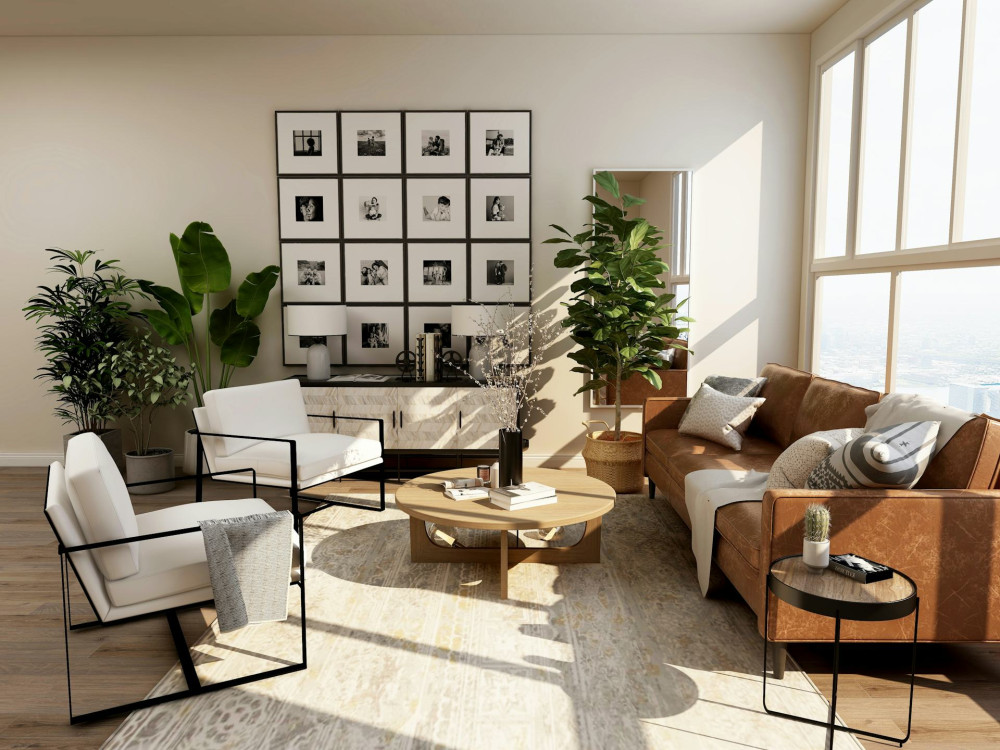
Mirrors act like small light amplifiers. When placed correctly, they reflect daylight and spread it throughout the room. This can make a big difference in spaces with only one window or in apartments where sunlight doesn’t reach directly.
A good rule of thumb is to place a mirror across from or diagonally opposite a window. This allows it to catch the light and bounce it around the room. You can also use several smaller mirrors on one wall to create a softer, more even light distribution.
Create Depth and a Sense of Space
Beyond improving light, mirrors can make a room appear larger. The eye perceives the reflection as an extension of the space, which adds depth and openness. In small living rooms, entryways, or home offices, a large wall mirror can make a noticeable difference.
- In narrow hallways, a mirror at the end of the space can create the illusion of more length.
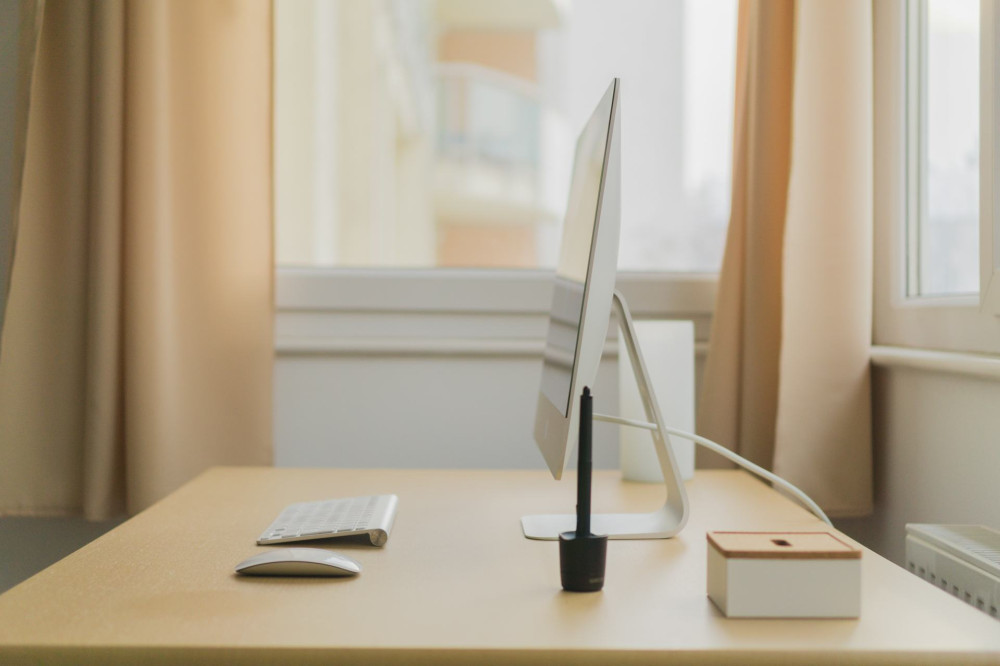
- In small offices, a mirror behind the desk can add depth while reflecting light from a lamp.
- In living rooms, a mirror above a console or behind a sofa can make the space feel elegant and airy.
Choose a frame that complements your décor — from sleek metal to warm wood — to tie the look together.
Pair Mirrors with Artificial Light
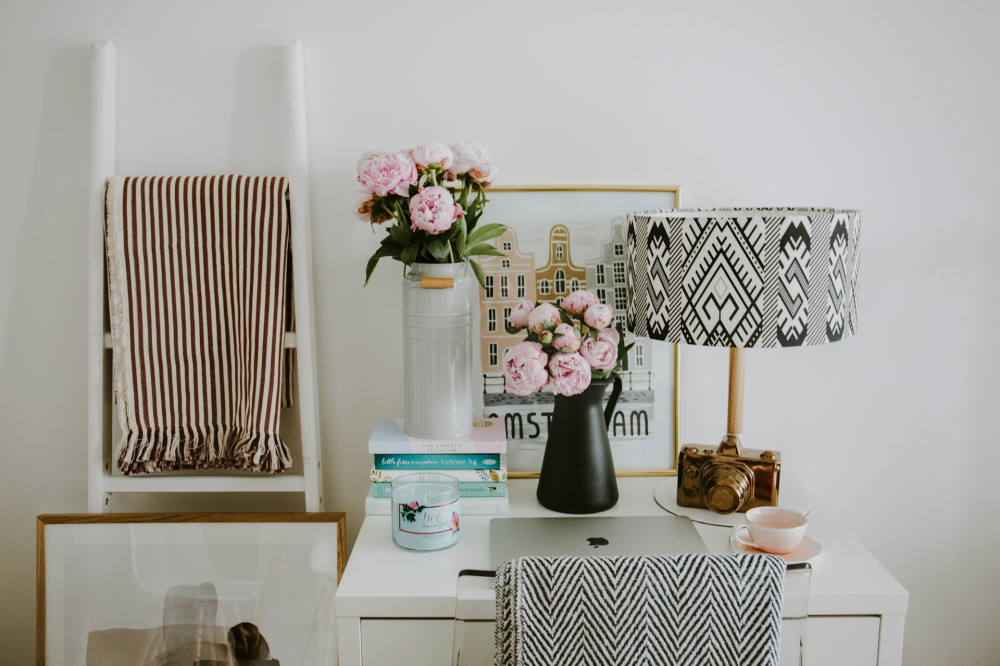
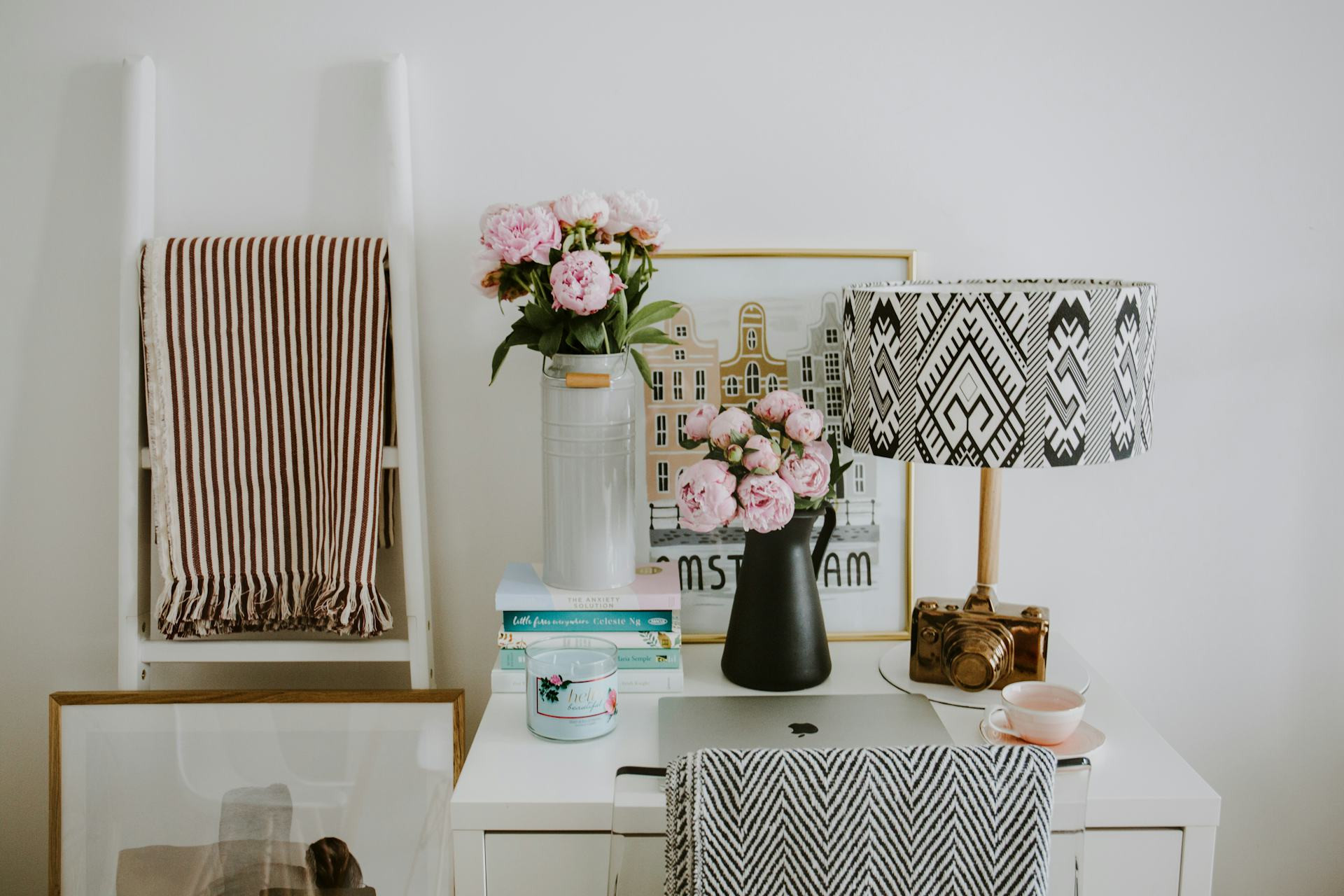
Mirrors can also enhance the effect of lamps and create a more pleasant evening atmosphere. Try placing a mirror behind a table lamp or near a wall sconce so the light reflects softly throughout the room.
A round mirror behind a pendant light can produce a beautiful, diffused glow, while small mirrors on a wall can catch the flicker of candles and add a cozy touch. Experiment with placement and observe how the light changes throughout the day.
Avoid Glare and Over-Reflection
While mirrors can work wonders, it’s important not to overdo it. Too many reflective surfaces can cause visual clutter or glare. Avoid positioning mirrors where they reflect direct sunlight or bright bulbs — this can be distracting, especially in work areas.
A helpful tip is to test the placement by temporarily propping up the mirror and watching how the light moves during the day. This way, you can find the most comfortable and balanced setup.
Læs også:

Mirrors as Decorative Elements
Mirrors don’t have to be purely functional — they can also serve as design features. A large floor mirror can act as a statement piece, while a collection of smaller mirrors in different shapes can create an artistic wall display.
Consider mirrors with tinted glass or distinctive frames if you want to add personality to your space. This way, you combine practical light distribution with visual interest.
A Simple Change with a Big Impact
Using mirrors to distribute light doesn’t require major renovations or big investments. With just a few adjustments, you can transform a room’s atmosphere — from dim and closed-in to bright and open. It’s all about thinking in reflections and making the most of the light you already have.
So next time you’re tempted to buy another lamp, consider whether a well-placed mirror might be the real key to brightening your home.
Læs også: