Short Movement Breaks – Small Steps Toward Less Tension


Short Movement Breaks – Small Steps Toward Less Tension
Many of us spend most of the day in front of a screen—sitting, focused, and often with our shoulders creeping up toward our ears. Over time, that posture can lead to stiffness, tension, and fatigue. The good news is that it doesn’t take much to break the pattern. Short movement breaks throughout the day can make a big difference—for both body and mind.
Why Small Breaks Matter
Our bodies aren’t designed to sit still for hours. When we do, blood flow slows, muscles tighten, and our breathing becomes shallow. That affects not only how we feel physically but also our energy and concentration.
Research from organizations like the CDC and the American Heart Association shows that even a few minutes of light movement every half hour can reduce muscle tension and improve focus. It’s not about squeezing in a workout between meetings—it’s about giving your body a chance to move naturally and reset.
How to Get Started
Adding movement breaks doesn’t require a major lifestyle change—just a bit of awareness and planning. Here are some simple ways to begin:
- Set reminders on your phone or computer to stand up every 30 minutes.
- Use breaks actively—walk to refill your water bottle, stretch your arms, or roll your shoulders.
- Change positions—if you have a standing desk, alternate between sitting and standing.
- Build small habits—take the stairs, walk while on phone calls, or do a quick stretch before starting a new task.
The key is to make movement a natural part of your day, not another item on your to-do list.
Simple Desk Exercises
You don’t need a gym to loosen up. Here are a few quick exercises you can do at your desk or home office:
- Shoulder rolls – roll your shoulders slowly backward 10 times to release tension.
- Back stretch – place your hands on your lower back, open your chest, and look slightly upward.
- Torso twists – sit tall and gently rotate your upper body from side to side.
- Shake out your hands and arms – this boosts circulation and eases tightness in your forearms.
- Stand and stretch your legs – take a few steps or do a couple of light squats.
These movements take less than two minutes but can make an immediate difference.
Movement as a Mental Reset
Movement breaks aren’t just for your body—they’re also for your mind. Standing up and moving helps shift your focus, giving your brain a chance to recharge. Many people find they think more clearly and creatively after stepping away from the screen for a moment.
Try using these breaks as mini mental resets: look out a window, take a few deep breaths, or walk around the block without your phone. Even a short pause can help you return to work with renewed energy.
Creating a Culture of Movement
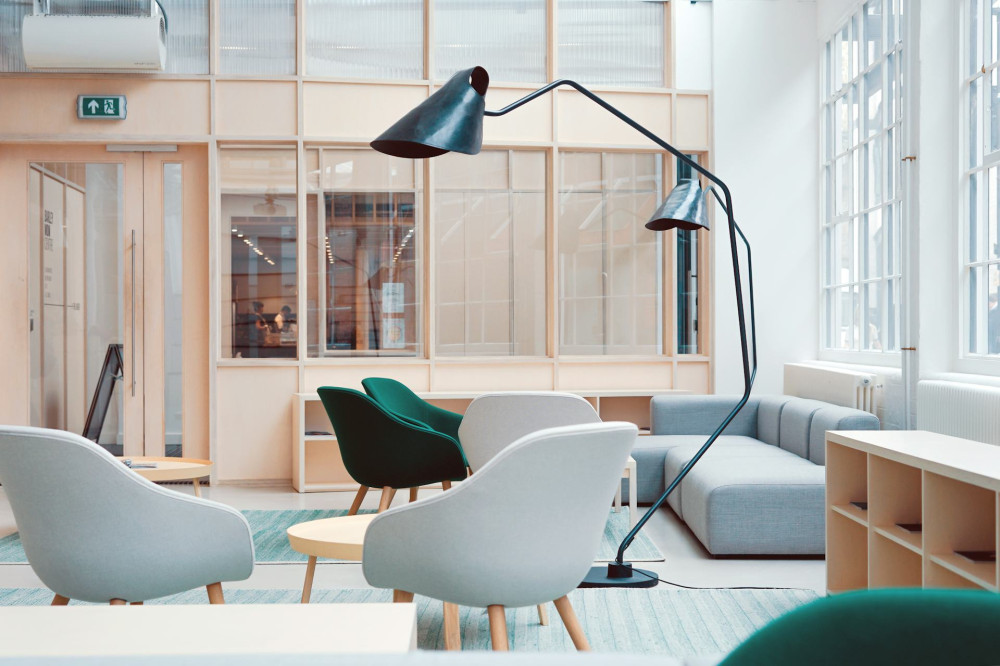
If you work in an office, making movement a shared habit can help everyone benefit. When coworkers also take short breaks, it feels more natural and easier to remember. Some workplaces schedule quick group stretches or walking meetings—it’s healthy and social at the same time.
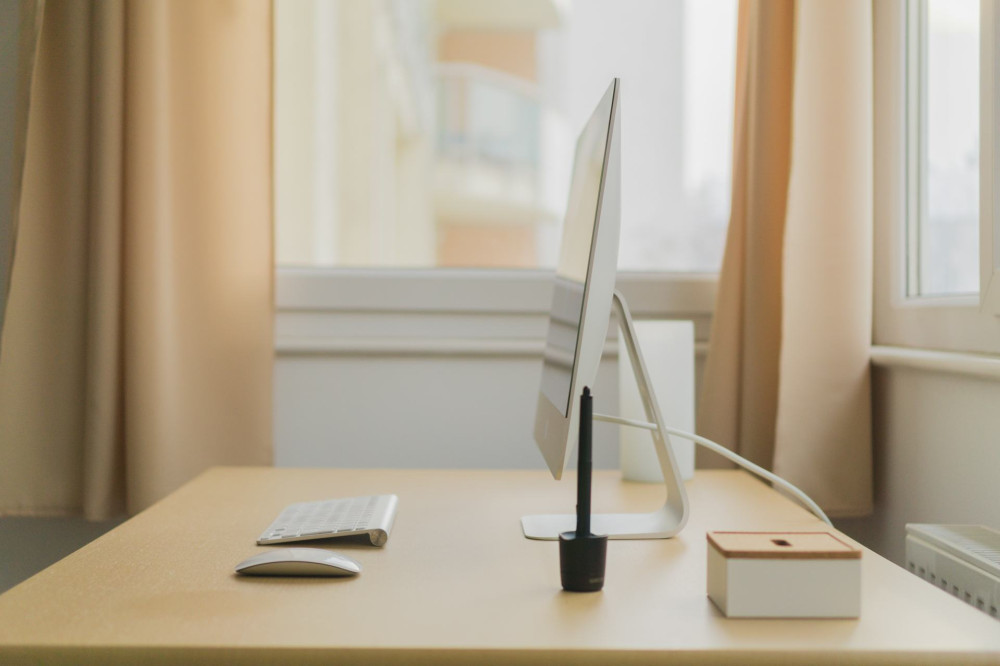
If you work from home, set up your own structure: schedule short breaks in your calendar, use a sit-stand desk if possible, or create a routine where you move whenever you switch tasks.
Læs også:



Small Steps, Big Impact
Reducing tension and improving well-being doesn’t require drastic changes. Just a few minutes of movement here and there can make your body feel better and your mind sharper. Start small—and notice how those little breaks add up to a big difference.
Læs også: