Good Habits for Working from Home – How to Boost Your Productivity


Good Habits for Working from Home – How to Boost Your Productivity
Working from home can be both a privilege and a challenge. The freedom to design your own schedule can easily turn into a trap if structure and focus slip away. At the same time, the distractions of home life can make it hard to stay on task. But with a few simple habits, you can create a workday that’s both productive and balanced. Here’s how to boost your productivity while keeping your well-being intact.
Establish a Consistent Routine
When you work from home, it’s easy to let your schedule drift. Maybe you start later, take longer breaks, or work into the evening. But a consistent routine is key to maintaining focus and separating work from personal time.
- Start your day at the same time – it helps your brain switch into “work mode.”
- Plan your day clearly – write down your top priorities and tackle them first.
- Take regular breaks – short breaks of 5–10 minutes every hour can improve concentration.
- End your day with a ritual – shut down your computer, tidy your workspace, and signal that the workday is over.
A clear structure helps you stay on track and prevents work from spilling into your evenings.
Create a Dedicated Workspace
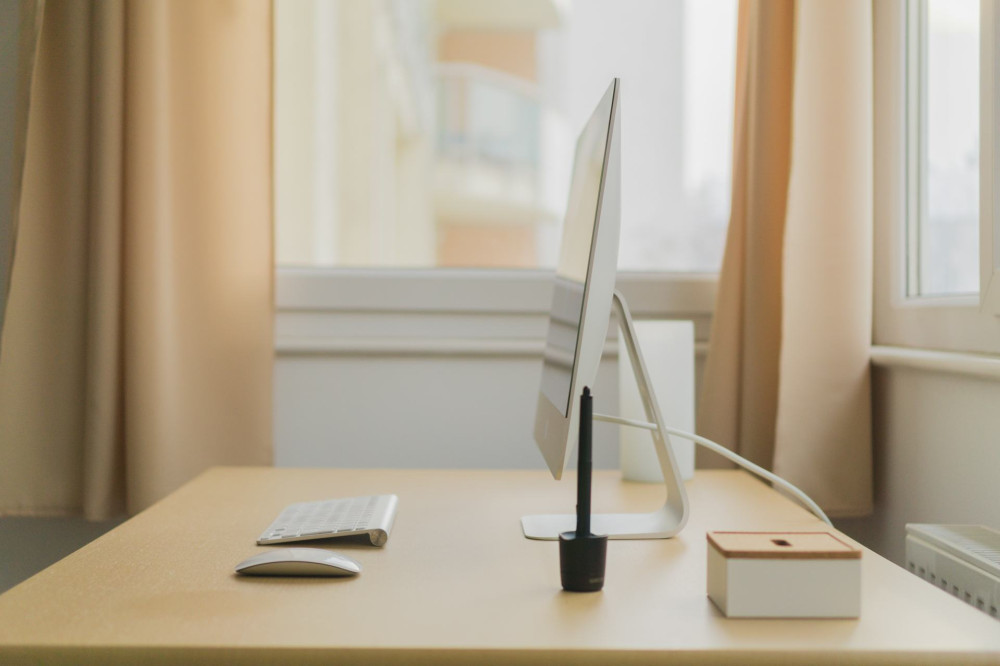
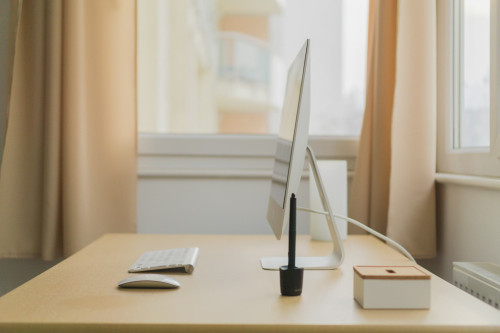
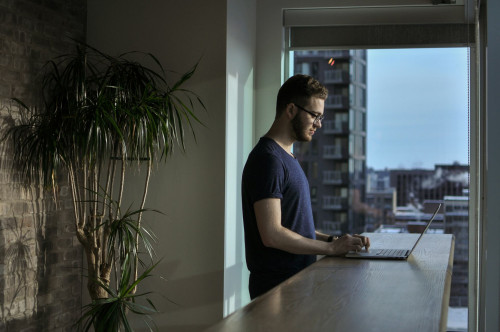
Having a specific place for work makes a big difference in your productivity. It doesn’t have to be a separate office – even a corner of your living room or a small desk by a window can work if you set it up intentionally.
- Make sure you have good lighting – natural light boosts energy and reduces fatigue.
- Use an ergonomic chair and proper desk to avoid neck and back strain.
- Keep your area clean and uncluttered – visual clutter can distract your mind.
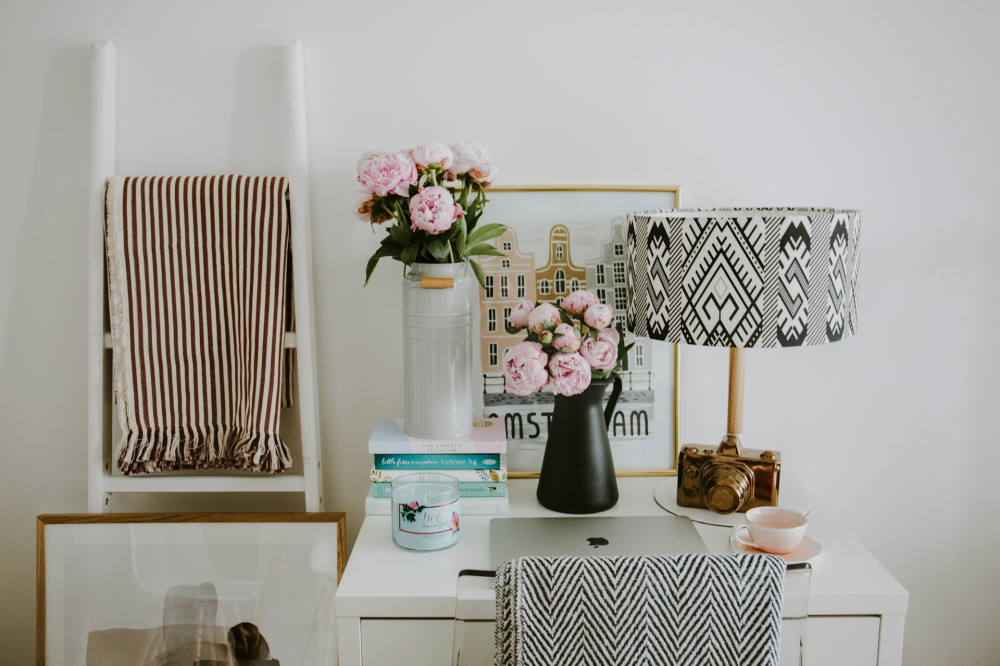
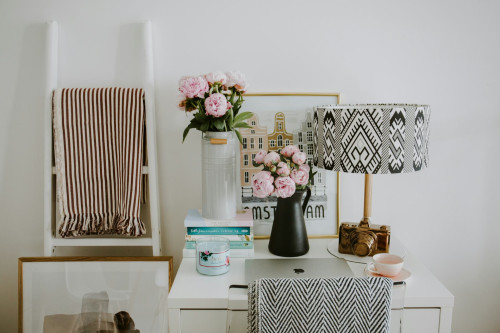
- Add small touches like plants, photos, or a favorite mug – they create comfort and calm.
When you sit down at your workspace, your body and mind know it’s time to focus. It helps you mentally shift from “home” to “work.”
Dress for Success
While it’s tempting to stay in pajamas, what you wear actually affects your mindset. Getting dressed for work – even at home – sends a signal to yourself that the day has begun.
You don’t need a suit, but choose clothes that make you feel comfortable and professional. It makes video meetings easier and gives you a sense of purpose that carries into your work.
Use Technology Wisely
Digital tools can be both a blessing and a distraction. Use them strategically to support your workday – not to steal your attention.
- Turn off notifications from social media and chat apps when you need to focus.
- Try time management techniques like the Pomodoro method to work in focused intervals.
- Share your calendar and status with coworkers to stay connected and organized.
- Remember to log off – setting digital boundaries is essential for work-life balance.
Technology should serve your productivity, not control it.
Læs også:

Move and Take Breaks
When you work from home, you often sit more than you realize. That can lead to fatigue and reduced focus. Plan movement into your day.
- Take a short walk during lunch.
- Stretch or do a few exercises every couple of hours.
- Use phone calls as a chance to stand up or walk around.
Small breaks with movement refresh your energy and help you think more clearly.
Maintain Work-Life Balance
One of the biggest challenges of remote work is drawing a line between job and personal life. When your office is in your living room, it can be hard to “go home.”
Set clear boundaries for when you work and when you’re off. Shut down your computer at the end of the day and avoid checking emails in the evening. Spend your free time on activities that recharge you – exercise, cooking, reading, or time with family and friends.
A healthy balance not only makes you more productive but also more satisfied in the long run.
Make Remote Work Sustainable
For many people, working from home is here to stay. That’s why it’s not just about getting through the day, but about creating a lifestyle that works long term. Good habits, a thoughtful workspace, and clear boundaries are the keys to thriving – both professionally and personally.
When you find your rhythm and structure, your home office becomes more than just a place to work – it becomes a place where you work well.
Læs også: