Annual Check of Your Rainwater System – How to Do It Yourself

Keep your home safe from water damage with a simple yearly inspection
Sewer
Sewer
3 min
Learn how to maintain your rainwater system with this easy, step-by-step guide. A quick annual check of gutters, downspouts, and drains can prevent costly repairs and ensure your property stays dry and protected all year round.
Ariana Bradley
Ariana
Bradley

Annual Check of Your Rainwater System – How to Do It Yourself

Keep your home safe from water damage with a simple yearly inspection
Sewer
Sewer
3 min
Learn how to maintain your rainwater system with this easy, step-by-step guide. A quick annual check of gutters, downspouts, and drains can prevent costly repairs and ensure your property stays dry and protected all year round.
Ariana Bradley
Ariana
Bradley

A well-functioning rainwater system protects your home and yard from flooding, erosion, and water damage. But like any part of your property, it needs regular maintenance. A yearly inspection can prevent costly repairs and ensure that rainwater flows away from your home as intended — even during heavy downpours. Here’s a practical, step-by-step guide to checking your rainwater system yourself.

Why an Annual Check Matters

Your rainwater system typically includes gutters, downspouts, drains, and possibly a dry well or rain barrel. Over time, leaves, dirt, and debris can build up and block the flow of water. This can cause gutters to overflow, water to seep into walls or basements, or puddles to form around your foundation.

Inspecting your system once a year — ideally in spring or early fall — helps you catch small issues before they become big problems. It’s especially important if you live in an area with lots of trees or frequent heavy rain.

Start with the Gutters

Gutters are the first line of defense, channeling water off your roof and toward the downspouts. They need to be clean and properly aligned to work effectively.

  1. Clean the gutters – Use a small scoop or your gloved hands to remove leaves and debris. Rinse with a garden hose to make sure water flows freely.
  2. Check for leaks – Look for cracks, rust, or joints that have separated. Small leaks can often be sealed with silicone caulk or gutter repair tape.
  3. Inspect the slope – Water should flow toward the downspout. If water pools in the gutter, you may need to adjust the hangers to restore the proper slope.

Examine the Downspouts

Downspouts carry water from the gutters down to the ground or into a drainage system. They can also become clogged or damaged.

  • Disconnect and clear the downspout if possible, removing any trapped debris.
  • Flush it with a hose to ensure water runs freely from top to bottom.
  • Inspect joints and elbows for leaks or cracks, and replace damaged sections.
  • Check the outlet – Make sure water is directed away from your foundation. Use a splash block or extension to guide water at least 3–4 feet from the house.

Check Drains and Catch Basins

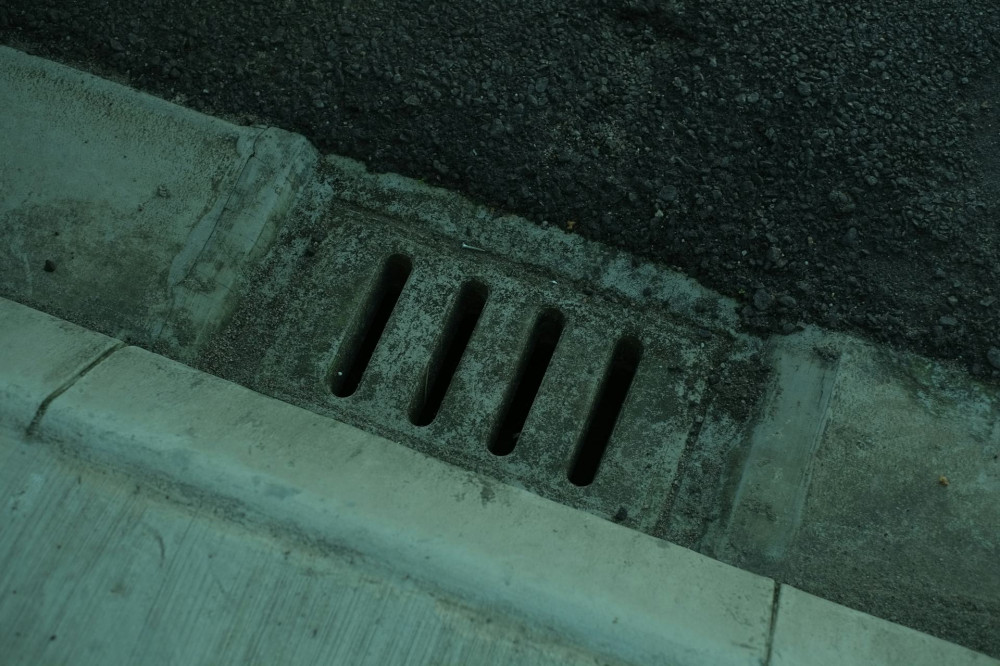
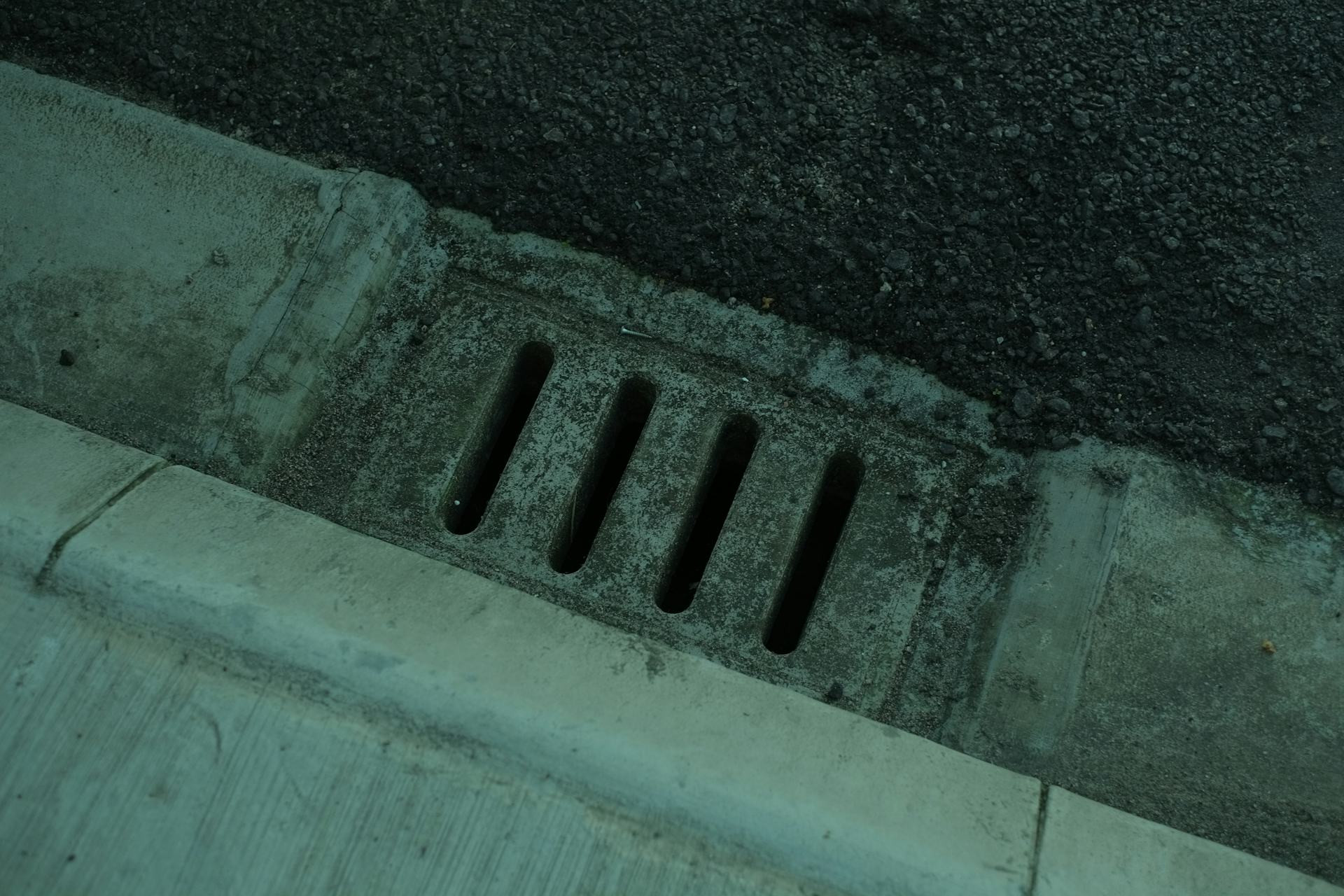
Many homes have a drain or catch basin that collects runoff before it flows into a storm drain or dry well.

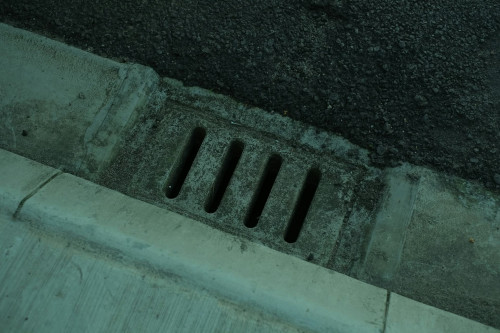
  • Remove the grate and look for sediment or debris buildup. If there’s more than a few inches of sludge, it’s time to clean it out.
  • Scoop or pump out the debris, then rinse with clean water.
  • Ensure the grate is clear so water can flow in easily during rain.

Inspect Your Dry Well or Rain Barrel

If your system includes a dry well or rain barrel, make sure they’re still functioning properly.

  • Dry well: After a rain, check that water drains away within a reasonable time. Standing water may indicate a clog or saturation problem that could require professional help.
  • Rain barrel: Clean the filter or screen, and empty any sediment once a year. Make sure the overflow outlet works so the barrel doesn’t spill over during heavy rain.

Prevent Problems with Simple Habits

A few easy routines can help keep your system in good shape year-round:

  • Clear leaves from gutters and roof in the fall.
  • Keep downspouts and drains free of ice and snow in winter.
  • After a storm, check for standing water near your foundation — it could signal a blockage.
  • Trim back overhanging branches to reduce leaf buildup.

When to Call a Professional

Most homeowners can handle a basic annual inspection, but if you notice cracked pipes, persistent drainage issues, or moisture in your basement, it’s best to call a licensed contractor or drainage specialist. They can perform a camera inspection and recommend repairs or replacements if needed.

A professional inspection every 3–5 years is a smart investment, especially for older systems or homes in areas with heavy rainfall.

A Small Check with Big Benefits

An annual rainwater system check usually takes just a couple of hours, but it can save you thousands in repairs and protect your home from water damage. When rainwater flows where it should, you safeguard your house, yard, and the environment — and you can face the next storm season with confidence.

How to choose the right type of home for your family
Are you considering changing your home type? This e-book examines the advantages and disadvantages of different types of housing, from townhouses to apartments, so that you can more easily find the type of housing that suits your familys needs and lifestyle.
Download e-book
Annual Check of Your Rainwater System – How to Do It Yourself
Keep your home safe from water damage with a simple yearly inspection
Sewer
Sewer
Rainwater System
Home Maintenance
DIY
Water Management
Property Care
3 min
Learn how to maintain your rainwater system with this easy, step-by-step guide. A quick annual check of gutters, downspouts, and drains can prevent costly repairs and ensure your property stays dry and protected all year round.
Ariana Bradley
Ariana
Bradley
Plan Sewer Prevention as Part of Home Maintenance
Keep your plumbing system healthy with simple preventive care
Sewer
Sewer
Home Maintenance
Plumbing
Sewer Care
Preventive Tips
Home Improvement
4 min
Avoid costly repairs and unpleasant surprises by making sewer prevention part of your regular home maintenance. Learn how small habits, timely inspections, and smart planning can protect your home and give you lasting peace of mind.
Piper Foster
Piper
Foster
Avoid Repeating Wastewater Issues – Learn from Past Mistakes and Solutions
Prevent future flooding and contamination by learning from past wastewater management failures
Sewer
Sewer
Wastewater Management
Infrastructure
Environmental Protection
Urban Planning
Sustainability
2 min
Outdated sewer systems and heavy rainfall have caused costly damage across the country. This article explores the most common wastewater mistakes, the solutions that have proven effective, and how communities can build more resilient infrastructure for the future.
Lucas Young
Lucas
Young
Sewer Inspection After a Landslide: How to Assess the Condition of the Sewer System
Ensure your sewer system remains safe and functional after a landslide
Sewer
Sewer
Sewer Inspection
Landslide Damage
Infrastructure
Home Maintenance
Property Management
4 min
Landslides can cause hidden damage to underground sewer lines, leading to costly repairs if left unchecked. Learn how to assess the condition of your sewer system after a landslide, what warning signs to look for, and when to call in professional inspection services.
Jack Brooks
Jack
Brooks
Why Is Your Basement Flooding? Here Are the Most Common Causes
Discover what’s really behind basement flooding and how to stop it before it starts
Sewer
Sewer
Basement Flooding
Home Maintenance
Water Damage
Waterproofing
Home Improvement
4 min
From heavy rain to cracked pipes, several hidden factors can cause water to invade your basement. Learn the most common reasons for basement flooding and get practical tips to protect your home from costly water damage.
Amelia Ortiz
Amelia
Ortiz
When Technology Meets Aesthetics: The Changing Modern Home Style
Discover how technology and design merge to redefine the modern living space
Trends
Trends
Smart Home
Interior Design
Modern Living
Home Technology
Sustainable Design
3 min
From smart lighting to sustainable materials, technology is reshaping the way we live and decorate. Explore how innovation and aesthetics come together to create homes that are both functional and beautiful.
Ariana Bradley
Ariana
Bradley
Mindful Decorating with Plants – Create Calm and Presence in Your Home
Bring harmony and mindfulness into your home with the natural beauty of plants
Trends
Trends
Mindful Living
Home Decor
Indoor Plants
Wellness
Interior Design
7 min
Discover how thoughtful plant placement and care can transform your home into a peaceful retreat. Learn how to decorate mindfully with greenery to create balance, presence, and a deeper connection to nature.
Piper Foster
Piper
Foster
Transform Your Space with Simple Renovation Ideas
Refresh your home with easy updates that make a big difference
Trends
Trends
Home Renovation
Interior Design
DIY
Home Improvement
Decorating Ideas
3 min
Discover how small, budget-friendly renovation ideas can completely transform your home. From color and lighting to surfaces and details, learn simple ways to create a space that feels new, functional, and uniquely yours.
Lucas Young
Lucas
Young
How to Create a Functional Home After the Kids Have Moved Out
Redefine your living space and make your home truly yours again
Trends
Trends
Home Design
Empty Nest
Interior Inspiration
Decluttering
Lifestyle
5 min
When the kids have moved out, your home enters a new phase—full of space, opportunity, and potential. Discover how to transform empty rooms, declutter with purpose, and design a flexible, comfortable home that reflects your lifestyle today.
Jack Brooks
Jack
Brooks