Why Is Your Basement Flooding? Here Are the Most Common Causes

Why Is Your Basement Flooding? Here Are the Most Common Causes
A flooded basement is one of the most stressful problems a homeowner can face. It can ruin flooring, drywall, furniture, and create lingering moisture issues that lead to mold. But why does it happen—and what can you do to prevent it? Here are the most common causes of basement flooding in U.S. homes and how to protect your property.
Heavy Rain and Overloaded Sewer Systems
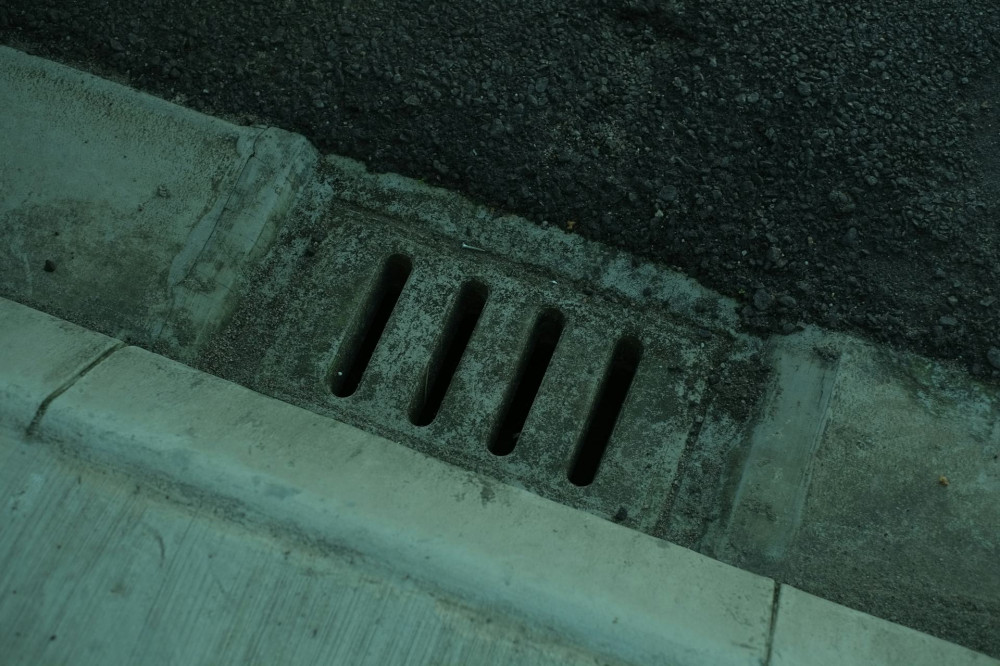
The most frequent cause of basement flooding is heavy rainfall. When municipal storm or sanitary sewers become overloaded, water pressure can force sewage or stormwater to back up through basement drains, toilets, or sinks. This is known as sewer backup.
Homes with basement floor drains, laundry hookups, or bathrooms connected directly to the main sewer line are especially vulnerable. Water always seeks the lowest point—and that’s usually your basement.
How to prevent it:
- Install a backwater valve or check valve that automatically closes when the sewer system is overloaded.
- Make sure basement plumbing is properly vented and maintained.
- If you live in an area prone to heavy storms, have a licensed plumber inspect your system regularly.
Cracked or Damaged Sewer Lines
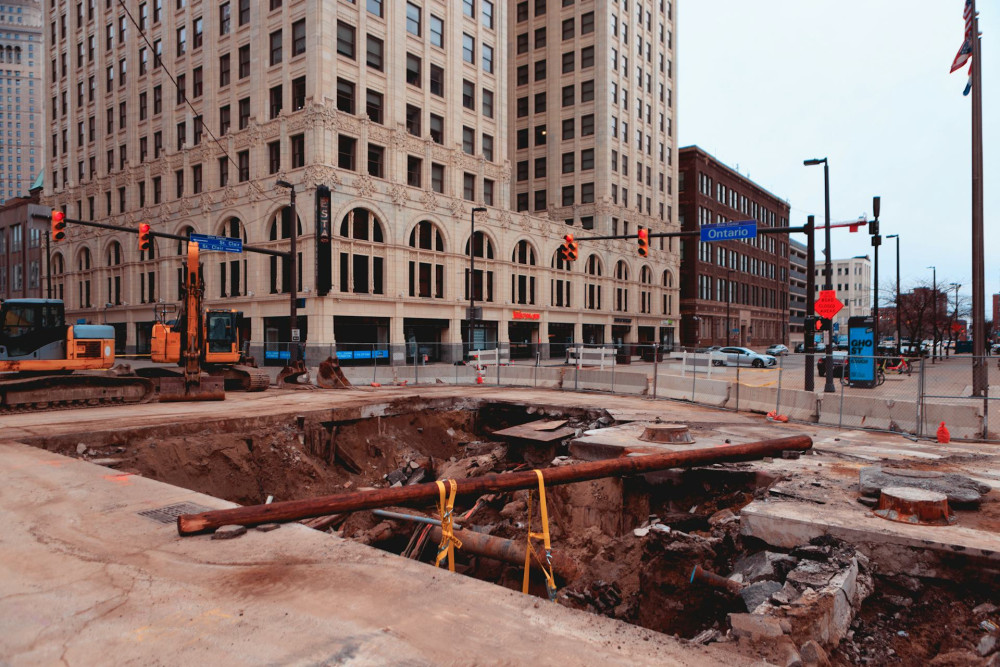
Another common issue is broken or deteriorated sewer pipes. Old clay or cast-iron pipes can crack, shift, or collapse, allowing groundwater to seep in—or wastewater to leak out. This can cause backups or persistent dampness in your basement.
Warning signs include foul odors, slow drains, or recurring clogs.
How to prevent it:
- Schedule a video inspection of your sewer line if you suspect damage.
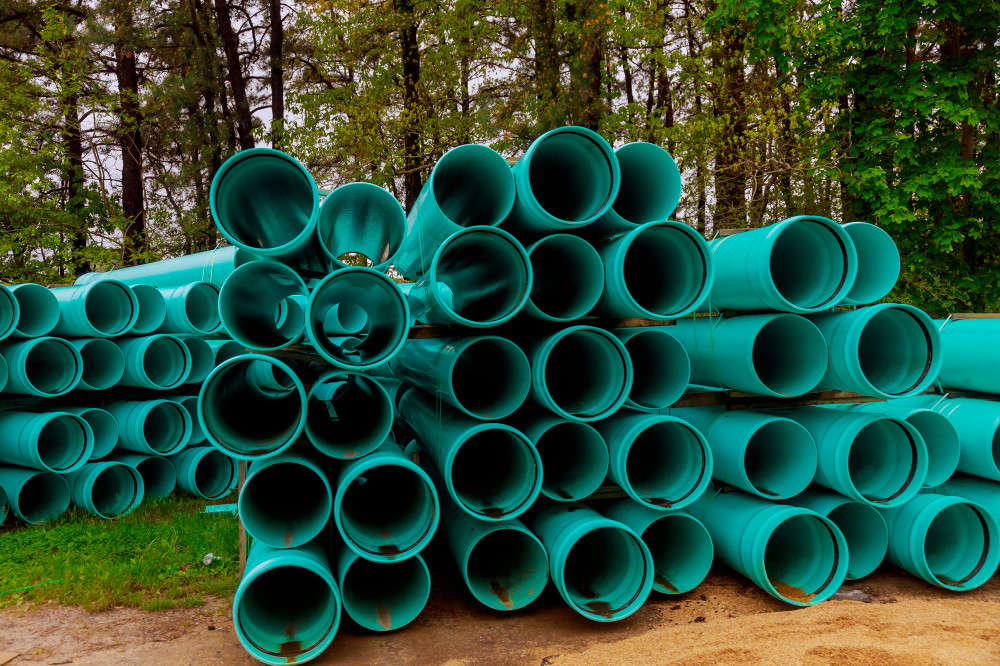
- Replace aging pipes with modern PVC or HDPE materials that are watertight and flexible.
- Keep cleanouts accessible so you can quickly address blockages.
High Groundwater Levels
After prolonged rain or snowmelt, the groundwater table can rise high enough to push moisture through basement floors and walls. This is especially common in low-lying areas or homes without proper drainage systems.
Even small cracks in the foundation can let water in, and the dampness can linger long after the rain stops.
How to prevent it:
- Ensure your home has a functioning drain tile system or French drain around the foundation.
- Check that the system directs water away from the house and isn’t clogged.
- Install a sump pump with a battery backup to automatically remove excess water when groundwater levels rise.
Poor Surface Drainage Around the Home
Even if your sewer system works fine, water can still pool around your foundation if the ground slopes toward your house or if gutters and downspouts aren’t doing their job. When the soil becomes saturated, water can seep through basement walls and joints.
How to prevent it:
- Make sure the soil around your home slopes away from the foundation—at least six inches over the first ten feet.
- Clean gutters and downspouts regularly so rainwater can flow freely.
- Extend downspouts at least five feet from the house or direct them into a rain garden or dry well.
Leaky Basement Walls and Poor Waterproofing
Older homes often lack modern waterproofing. Over time, concrete and masonry can become porous, allowing moisture to penetrate—especially during heavy rain or when groundwater is high.
How to prevent it:
- Have a professional evaluate your foundation for cracks or weak spots.
- Consider exterior waterproofing (sealing the outside of the foundation) or interior sealants if you use your basement for storage or living space.
- Monitor for damp spots or musty smells—they’re early signs of water intrusion.
When the Damage Is Done
If your basement does flood, act quickly to minimize damage:
- Shut off electricity in the affected area.
- Remove standing water using a pump or wet/dry vacuum.
- Dry everything thoroughly with fans and dehumidifiers.
- Document the damage with photos and contact your insurance company.
- Identify and fix the cause to prevent future flooding.
A flooded basement might seem like a one-time disaster, but it’s often a warning sign that something in your drainage or plumbing system needs attention.
Læs også:

An Investment in Peace of Mind
Protecting your basement from water damage may seem costly, but it’s an investment in your home’s value and your peace of mind. With the right combination of plumbing safeguards, drainage improvements, and waterproofing, you can greatly reduce the risk that the next big storm ends up in your basement.
Læs også: