Sewer Inspection After a Landslide: How to Assess the Condition of the Sewer System

Sewer Inspection After a Landslide: How to Assess the Condition of the Sewer System
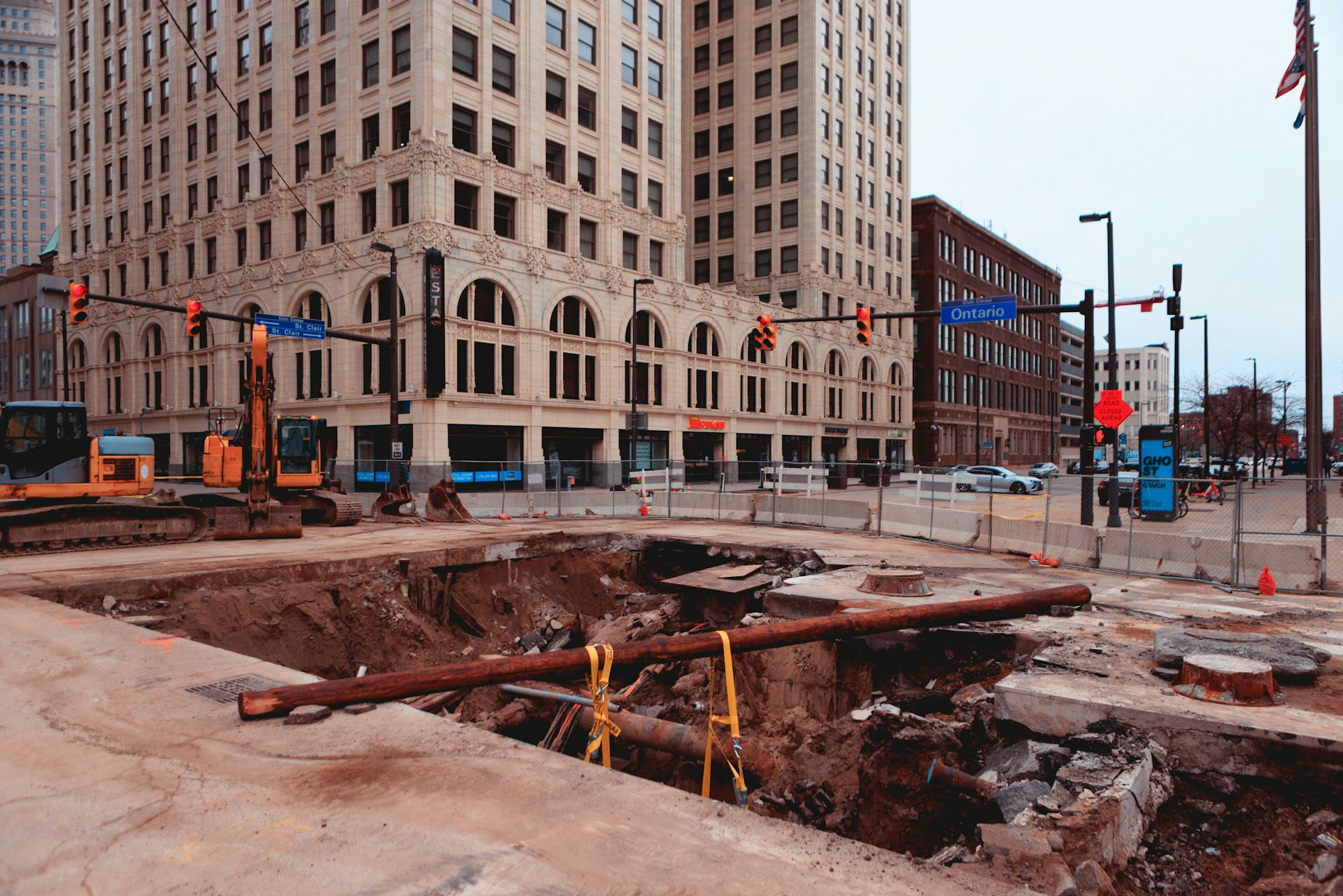
When a landslide strikes, it can cause extensive damage to homes, roads, and underground utilities. One of the most vulnerable parts of this infrastructure is the sewer system. Pipes can shift, crack, or become clogged with soil and debris, and the damage is often hidden below ground. That’s why a thorough sewer inspection is essential to determine whether the system is still functioning properly and whether repairs or replacements are needed.
Here’s an overview of how a sewer inspection is carried out after a landslide and what homeowners and property managers in the U.S. should pay attention to.
Why Landslides Affect Sewer Systems
A landslide changes the structure and pressure of the soil. As the ground moves, sewer pipes can be subjected to forces they were never designed to handle. Even small shifts can cause cracks, leaks, or misalignments that eventually lead to blockages, backups, or water damage.
Common signs that your sewer system may have been affected include:
- Slow-draining sinks, tubs, or toilets.
- Unpleasant odors coming from drains or cleanouts.
- Wet spots, sinkholes, or ground settlement near your home.
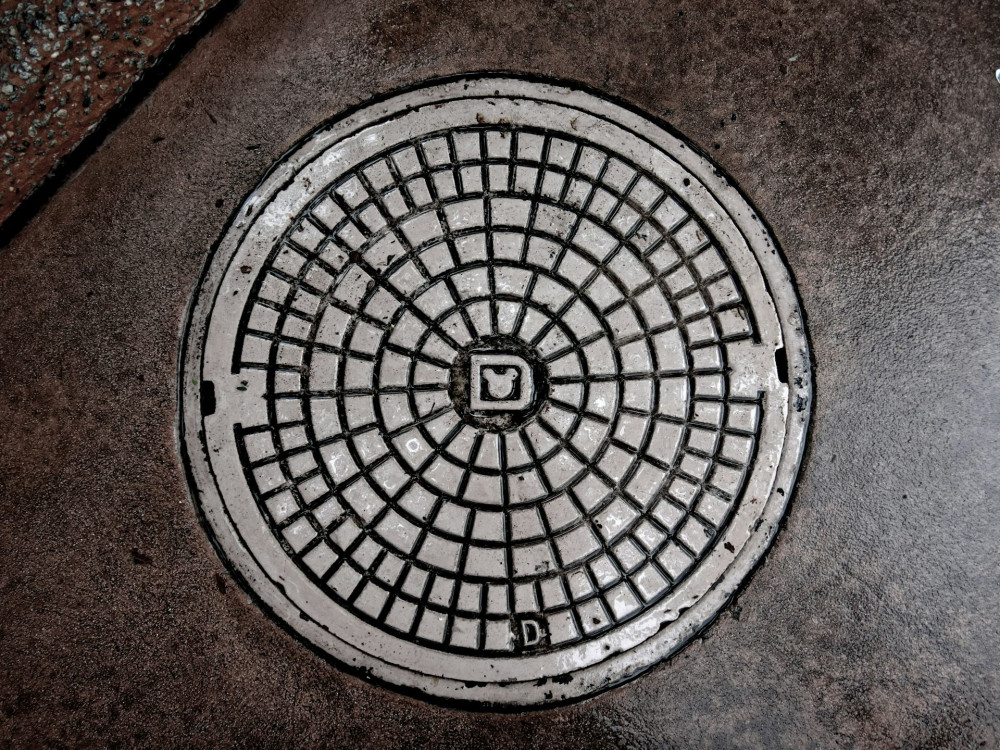
- Cracked or displaced manhole covers or cleanout caps.
Even if you don’t notice visible problems, it’s wise to have your sewer inspected if the landslide occurred near your property or along the slope where your sewer line runs.
How a Sewer Inspection Is Performed
A licensed plumber or sewer contractor will typically begin with a visual inspection of accessible components such as cleanouts, manholes, and surface structures to look for signs of displacement. The next step is usually a video camera inspection, where a specialized camera is inserted into the sewer line to document its condition.
The camera inspection can reveal:
- Cracks or breaks in the pipes.
- Misaligned or separated joints.
- Intrusion of soil, rocks, or tree roots.
- Standing water or sagging sections (indicating improper slope).
The video footage is recorded and used to assess the extent of the damage. In some cases, the inspection may be supplemented with smoke testing or pressure testing to detect leaks that are not visible on camera.
Læs også:

What to Do If Damage Is Found
If the inspection reveals damage, the repair method will depend on the severity and location of the problem. Minor cracks or leaks can often be repaired using trenchless lining (also known as cured-in-place pipe, or CIPP), where a flexible liner is inserted into the existing pipe and hardened in place. For more severe displacements or collapsed sections, excavation and pipe replacement may be necessary.
It’s important to act quickly. A leaking or broken sewer line can lead to soil contamination, pest infestations, and even basement flooding. In addition, your homeowner’s insurance company may require documentation showing that the damage was caused by the landslide—making the inspection report and video evidence crucial for any claim.
Prevention and Future Protection
While you can’t prevent natural disasters, you can reduce the risk of future damage. Make sure surface water and storm runoff are directed away from slopes and foundations, and have your sewer system inspected periodically—especially if you live in an area prone to ground movement or heavy rainfall.
It’s also a good idea to maintain a baseline sewer report that documents the condition of your system before and after major events like landslides. This provides a clear comparison for future inspections and can simplify discussions with your insurance provider.
An Investment in Peace of Mind
A sewer inspection after a landslide isn’t just a technical procedure—it’s an investment in safety and peace of mind. By understanding the condition of your sewer system, you can prevent costly secondary damage and ensure that your home’s wastewater system continues to function as it should.
Always contact a licensed plumbing or sewer professional experienced in post-landslide assessments. They can guide you through inspection, documentation, and repair options, helping you restore your system safely and effectively for the long term.
Læs også: