Plan Sewer Prevention as Part of Home Maintenance

Plan Sewer Prevention as Part of Home Maintenance
Your home’s sewer system is one of those things you rarely think about—until something goes wrong. A clogged or damaged sewer line can quickly turn into a costly and unpleasant problem. That’s why it makes sense to include sewer prevention as a regular part of your home maintenance routine. With a few simple habits and periodic inspections, you can avoid many common issues and extend the life of your plumbing system.
Why Prevention Pays Off
A properly functioning sewer system carries wastewater away from your home efficiently. Over time, however, pipes can become clogged with grease, hair, paper, or even tree roots. Older pipes may also crack or corrode, leading to leaks, foundation damage, or soil contamination.
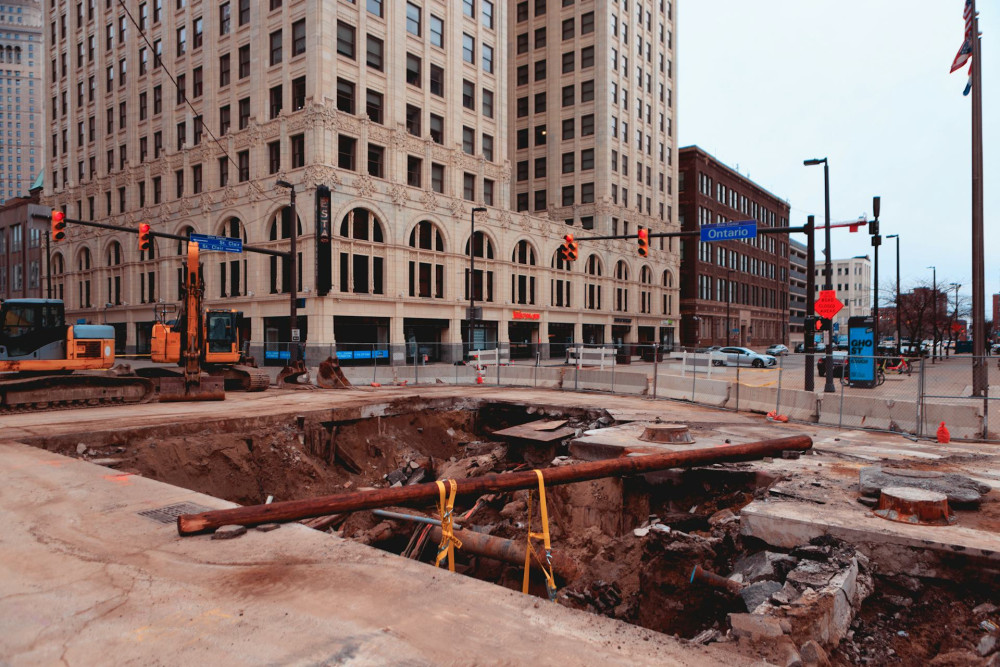
Preventive maintenance isn’t just about avoiding emergencies—it’s about saving money in the long run. Sewer repairs or replacements can cost thousands of dollars, while annual checkups and good daily habits are far less expensive.
Læs også:

Know Your Sewer System
The first step in prevention is understanding your system. Many homeowners don’t know exactly where their sewer lines run or where the cleanouts are located. But this knowledge can be crucial if a problem arises.
- Locate your sewer map – You can often get this from your city’s public works department or from your home’s previous owner.
- Find the cleanouts – Most homes have one or more access points where you can check if water is flowing freely.
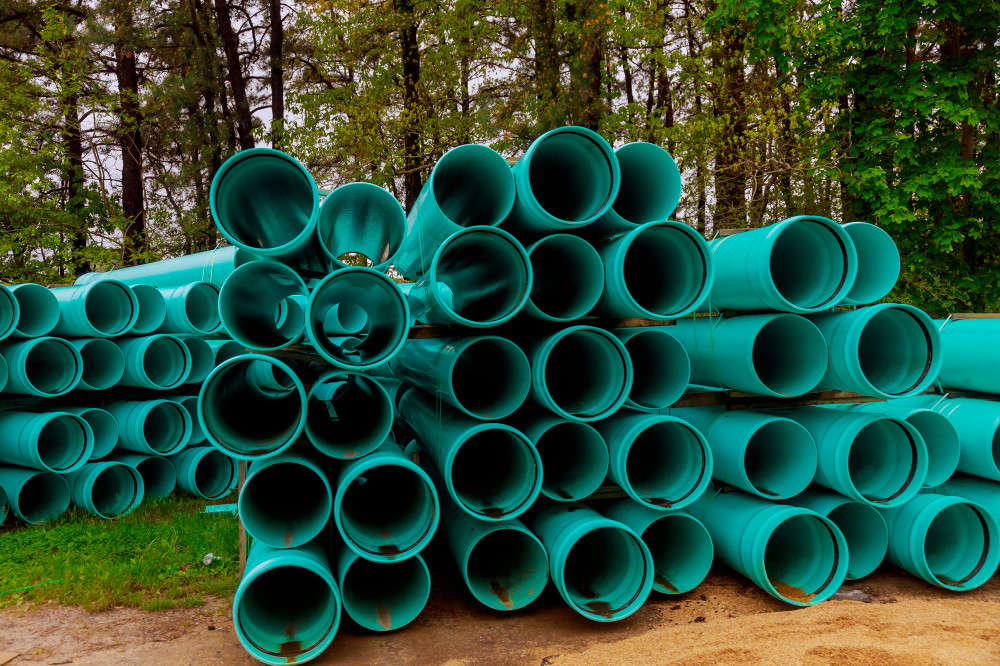
- Know the age and material of your pipes – Older clay or cast-iron pipes are more prone to cracks and root intrusion than modern PVC lines.
When you know your system’s layout, it’s easier to spot changes and act before small issues become big ones.
Good Everyday Habits
Many sewer problems start in the kitchen or bathroom. Small changes in daily routines can make a big difference:
- Never pour grease down the drain. Grease solidifies in pipes and causes blockages. Wipe pans with paper towels before washing them.
- Use the trash can, not the toilet. Items like wipes, cotton swabs, and feminine hygiene products should never be flushed.
- Clean drains regularly. Remove hair and soap buildup from sinks and showers before it accumulates.
- Keep gutters and downspouts clear. Leaves and debris can block water flow and cause backups during heavy rain.
These simple steps may seem minor, but they prevent many of the most common clogs.
Schedule Professional Inspections
Even with good habits, problems can develop out of sight. That’s why it’s smart to have a licensed plumber inspect your sewer system every few years—especially if your home is older.
A professional inspection may include:
- Video camera inspection to detect cracks, misalignments, or early signs of blockage.
- Hydro jet cleaning to remove buildup and ensure smooth flow.
- Checking cleanouts and connections to identify leaks or weak spots.
By scheduling inspections as part of your regular home maintenance—say, every three to five years—you can avoid unpleasant surprises.
Plan for Stormwater Management
Heavy rainstorms are becoming more frequent in many parts of the U.S., and local sewer systems can struggle to keep up. It’s important to think about how your home handles stormwater in relation to your sewer system.
Consider solutions such as:
- Rain gardens or dry wells to direct rainwater into the ground instead of the sewer.
- Rain barrels to collect roof runoff for garden use.
- Backflow preventers to stop sewage from backing up into your basement during major storms.
These measures reduce stress on your sewer system and protect your home from flooding.
Watch for Warning Signs
Be alert to signs that may indicate developing sewer issues:
- Slow-draining sinks, tubs, or toilets.
- Unpleasant odors from drains or cleanouts.
- Damp spots or discoloration on basement walls or floors.
- Gurgling sounds from plumbing fixtures.
If you notice any of these, act quickly. The sooner you address the problem, the easier and cheaper it will be to fix.
An Investment in Peace of Mind
Your sewer system may be out of sight, but it’s one of the most important parts of your home. By making sewer prevention a regular part of your maintenance plan, you ensure that everything runs smoothly—and you avoid the stress, mess, and expense of major repairs.
A healthy sewer system is an investment in your home’s value, your comfort, and your peace of mind.
Læs også: