Building Permits vs. Other Approvals – Know the Difference Before You Start

Building Permits vs. Other Approvals – Know the Difference Before You Start
When you’re planning to build, remodel, or add to your property, it’s tempting to jump right in. But before you break ground, it’s essential to understand what approvals you need. Many homeowners assume that a building permit covers everything—but in reality, several different types of permits and approvals may apply, each regulating a specific aspect of your project. Here’s what you need to know to avoid delays, fines, or even being required to tear down unapproved work.
What Is a Building Permit?
A building permit is an official approval issued by your local building department that allows you to construct, alter, or repair a structure in compliance with local building codes and safety standards. It ensures that your project meets requirements for structural integrity, fire safety, energy efficiency, accessibility, and zoning.
You typically need a building permit if you plan to:
- Build a new home, garage, or addition.
- Make structural changes, such as removing load-bearing walls.
- Convert a space to a different use, such as turning a basement into a rental unit.
- Install major systems like plumbing, electrical, or HVAC.
Your local building department reviews your plans to ensure they comply with the International Building Code (IBC) or International Residential Code (IRC) as adopted by your state or municipality, as well as local zoning ordinances. Only after the permit is issued can construction legally begin.
Other Approvals You May Need
While the building permit is central, it doesn’t cover everything. Depending on your project and location, you may need additional permits or approvals from other agencies. Here are some of the most common ones:
1. Zoning Approval
Before a building permit can be issued, your project must comply with zoning regulations—rules that govern how land can be used. Zoning approval ensures your project fits within local requirements for setbacks, height limits, lot coverage, and land use. If your plan doesn’t comply, you may need to apply for a variance or special use permit from the local zoning board.
2. Environmental or Stormwater Permits
If your project could affect the environment—such as grading large areas, disturbing soil, or building near wetlands—you may need an environmental permit or stormwater management approval. These are often required by state environmental agencies or the U.S. Environmental Protection Agency (EPA) to prevent erosion, flooding, or water contamination.
3. Driveway and Right-of-Way Permits
If your project involves creating or modifying a driveway, sidewalk, or access point that connects to a public road, you’ll likely need a right-of-way permit from your city or county’s public works department. This ensures that your access point is safe and doesn’t interfere with traffic or utilities.
4. Historic Preservation or Landmark Approval
If your property is located in a historic district or is designated as a landmark, you may need approval from a historic preservation commission before making exterior changes. Even minor updates like replacing windows or siding can require review to maintain the area’s historic character.
5. Health and Septic Permits
For properties not connected to a municipal sewer system, you’ll need a septic system permit from your local health department. Similarly, if your project involves a private well, pool, or food service area, additional health-related permits may apply.
6. Utility and Electrical Approvals
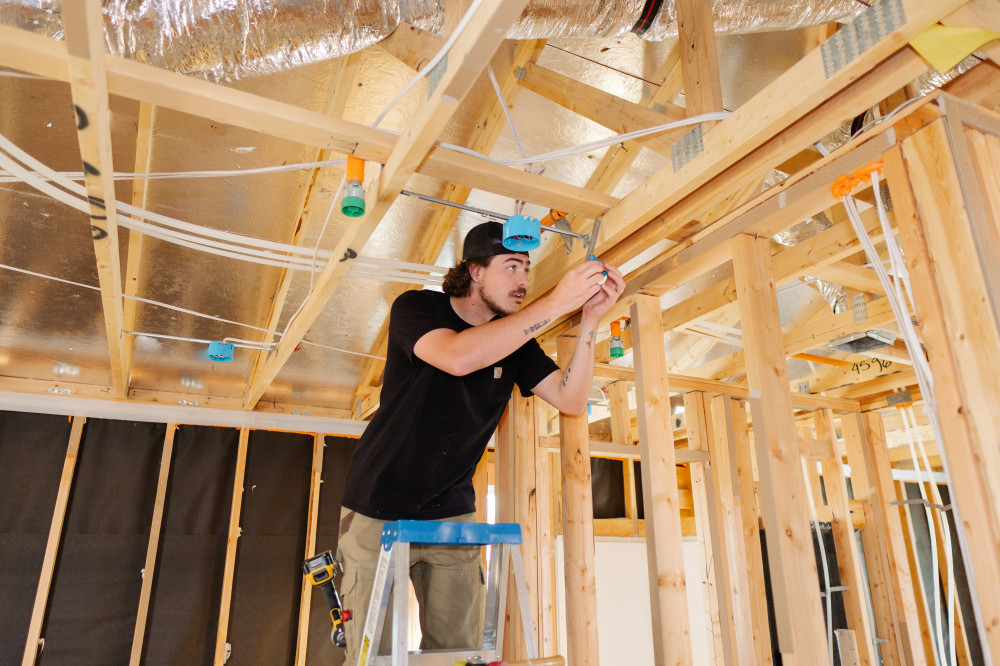
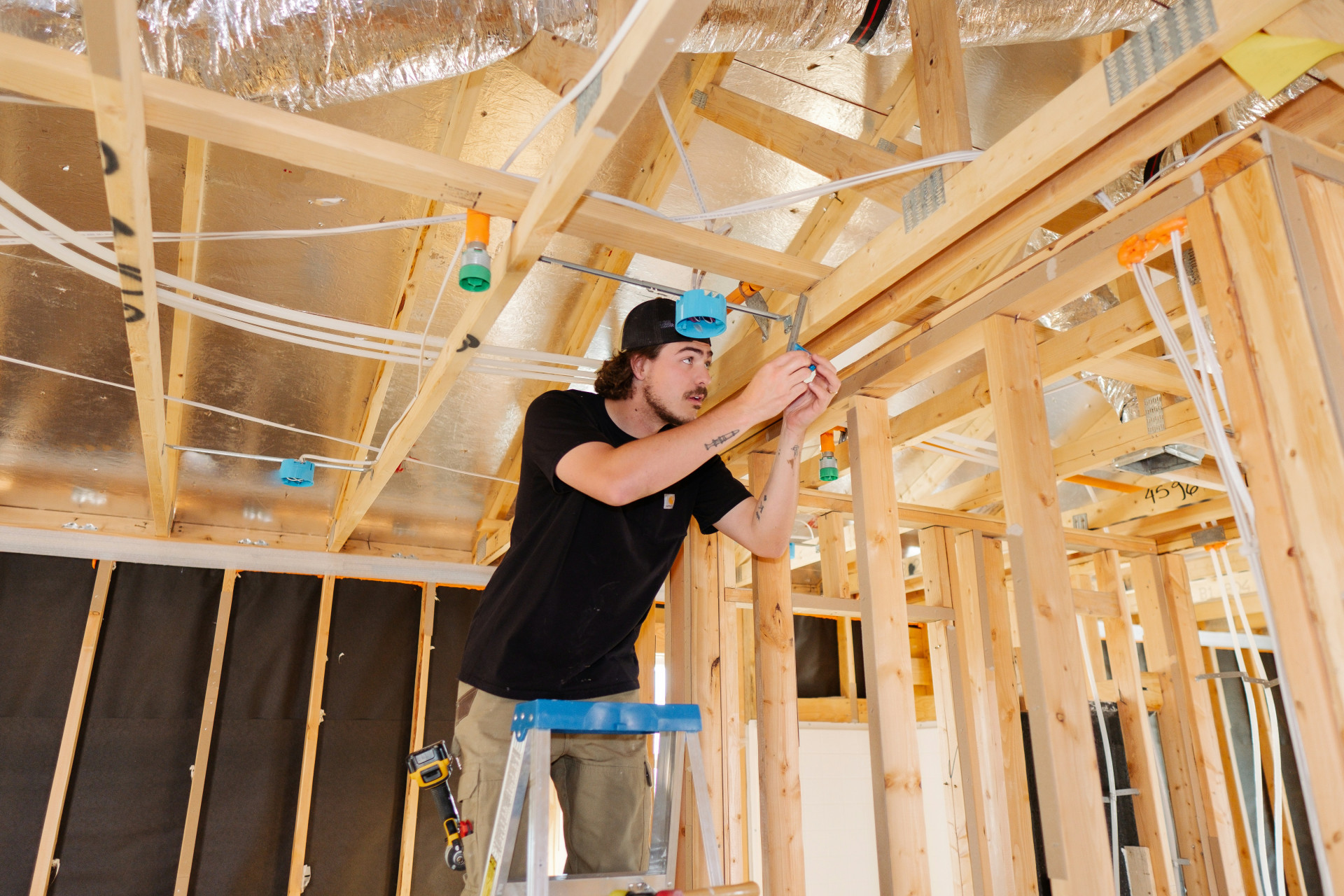
Major electrical, plumbing, or gas work often requires separate trade permits. These ensure that licensed professionals perform the work safely and that it passes inspection before being used.
When You Don’t Need a Building Permit
Not every project requires a building permit. Many small or cosmetic improvements—like painting, replacing flooring, or installing cabinets—can be done without one. Some jurisdictions also exempt small sheds, fences, or decks below a certain size or height.
However, even if a building permit isn’t required, you must still follow zoning rules, safety codes, and homeowners’ association (HOA) guidelines. It’s always best to check with your local building department before starting any project.
Læs også:

How to Apply for a Building Permit
Most cities and counties now allow you to apply for permits online through their building department’s website. You’ll typically need to submit:
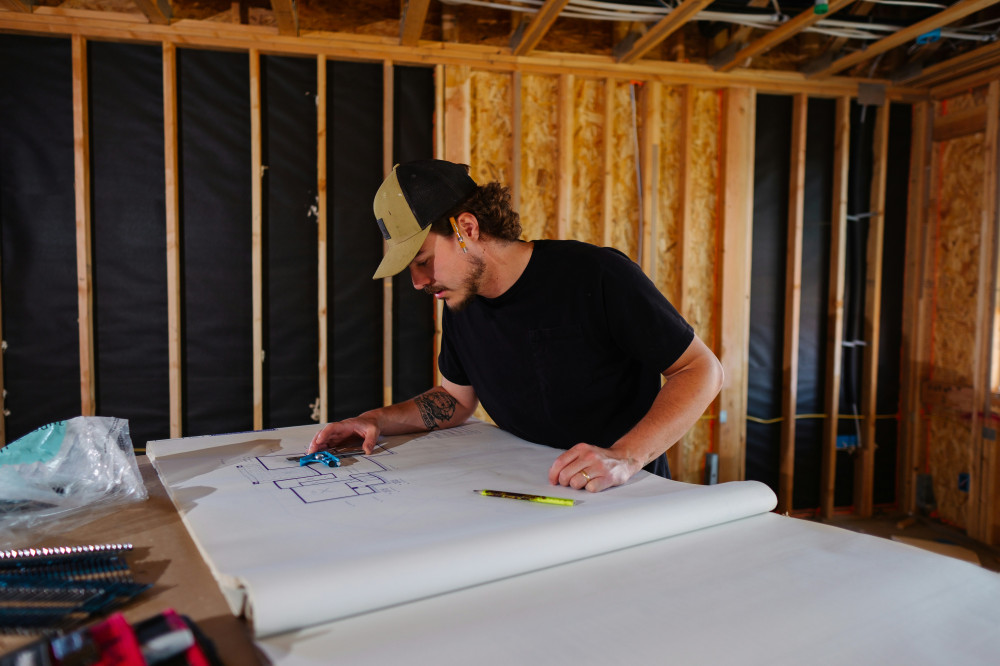
- Detailed plans or drawings.
- A site plan showing property boundaries and setbacks.
- Contractor information and license numbers.
- Any required supporting documents, such as energy calculations or engineering reports.
Once submitted, your application will be reviewed by various departments—building, zoning, fire, and sometimes public works. If everything meets code, you’ll receive your permit and can begin construction. Inspections will be required at key stages to ensure compliance.
A smart move is to contact your local building department early in the planning process. They can clarify which permits you’ll need and help you avoid costly mistakes or delays.
Consequences of Building Without Proper Permits
Starting construction without the necessary permits can lead to serious problems:
- The city may issue a stop-work order.
- You could face fines or penalties.
- You might be required to remove or redo unapproved work.
- Unpermitted work can cause issues when selling your home or filing insurance claims.
In short, skipping permits can cost far more time and money than doing things the right way from the start.
Know the Difference – and Start Your Project Right
Understanding the difference between a building permit and other required approvals is key to a smooth, successful project. A building permit focuses on the structure itself and its compliance with safety codes, while other approvals address land use, environmental impact, and community standards.
By researching requirements early and securing all necessary permits, you’ll protect your investment, avoid legal trouble, and ensure your project is built to last—safely and legally.
Læs også: