Create a Cohesive Home with a Consistent Style

Bring harmony to your interiors with a unified design approach
Renovation
Renovation
6 min
Discover how to create a home that feels balanced and connected through consistent style choices. Learn to blend colors, materials, and lighting to achieve a cohesive look that still reflects your personality.
Piper Foster
Piper
Foster

Create a Cohesive Home with a Consistent Style

Bring harmony to your interiors with a unified design approach
Renovation
Renovation
6 min
Discover how to create a home that feels balanced and connected through consistent style choices. Learn to blend colors, materials, and lighting to achieve a cohesive look that still reflects your personality.
Piper Foster
Piper
Foster

A home feels most inviting when every room connects through a shared sense of style—when colors, materials, and atmosphere speak the same visual language. That doesn’t mean everything has to match perfectly, but rather that there’s a thread of consistency tying the spaces together. With thoughtful design choices, you can create a home that feels both personal and harmonious. Here’s how to bring unity to your interiors without sacrificing individuality or comfort.

Begin with a Clear Vision

Before you start painting walls or shopping for furniture, take time to define the overall mood you want your home to express. Do you prefer a calm, coastal vibe, a warm traditional look, or a sleek modern aesthetic?

Create a mood board—either digitally or on paper—with images, colors, textures, and furniture that inspire you. Seeing everything together helps you identify patterns and make more confident decisions when selecting finishes, fabrics, and décor.

Use Color as a Unifying Element

Color is one of the most powerful tools for creating cohesion. You don’t need to paint every wall the same shade, but choose a color palette that flows throughout your home. This can appear in wall colors, textiles, artwork, or smaller accents like throw pillows and lamps.

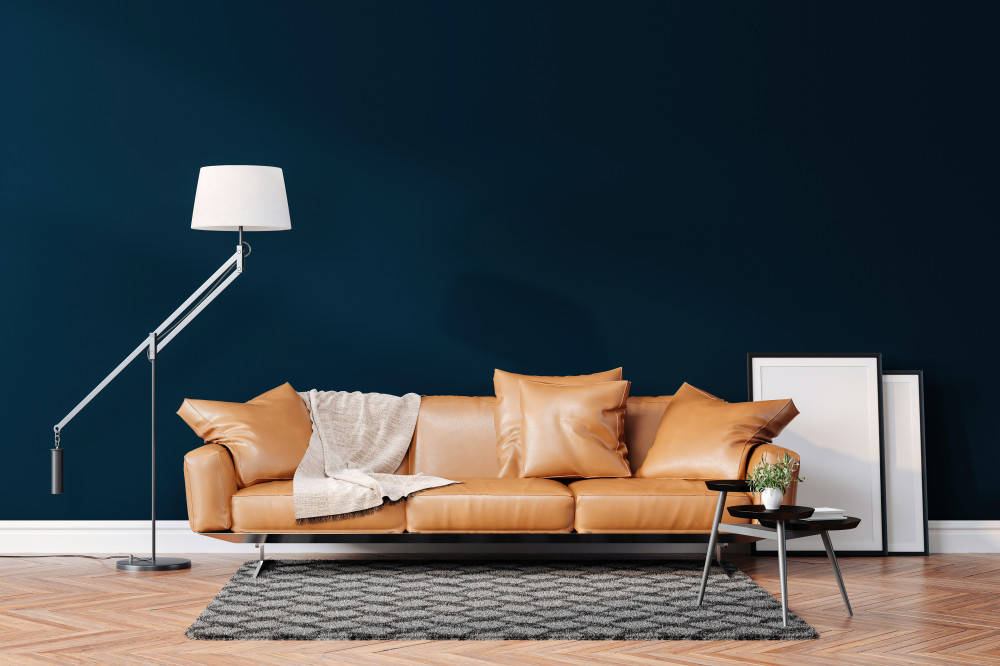
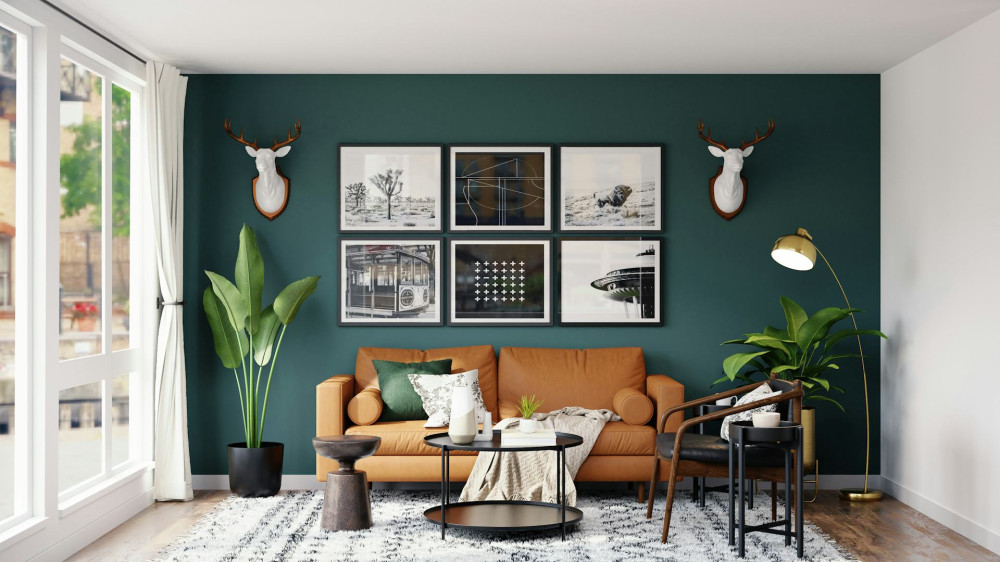
A good rule of thumb is to select three to four main colors and vary their tones and intensities from room to room. This gives each space its own personality while maintaining a visual connection. Neutrals like white, beige, and soft gray make a great foundation, while accent colors—navy, terracotta, or sage—add depth and character.

Layer Materials and Textures

Consistency isn’t just about color—it’s also about materials. Repeating certain woods, metals, or fabrics can create a natural rhythm throughout your home. If you have oak furniture in the living room, consider echoing that wood tone in the kitchen or bedroom.

Balance is key: mix smooth surfaces with soft textiles, and pair cool materials like glass or steel with warmer ones like wood or wool. The interplay of contrast and repetition adds both interest and harmony.

Choose Furniture with a Shared Language

When selecting furniture, pay attention to shapes, lines, and proportions. A minimalist coffee table might feel out of place in a home filled with ornate details, while a solid wood dining table can anchor a space if it complements the home’s architecture and other furnishings.

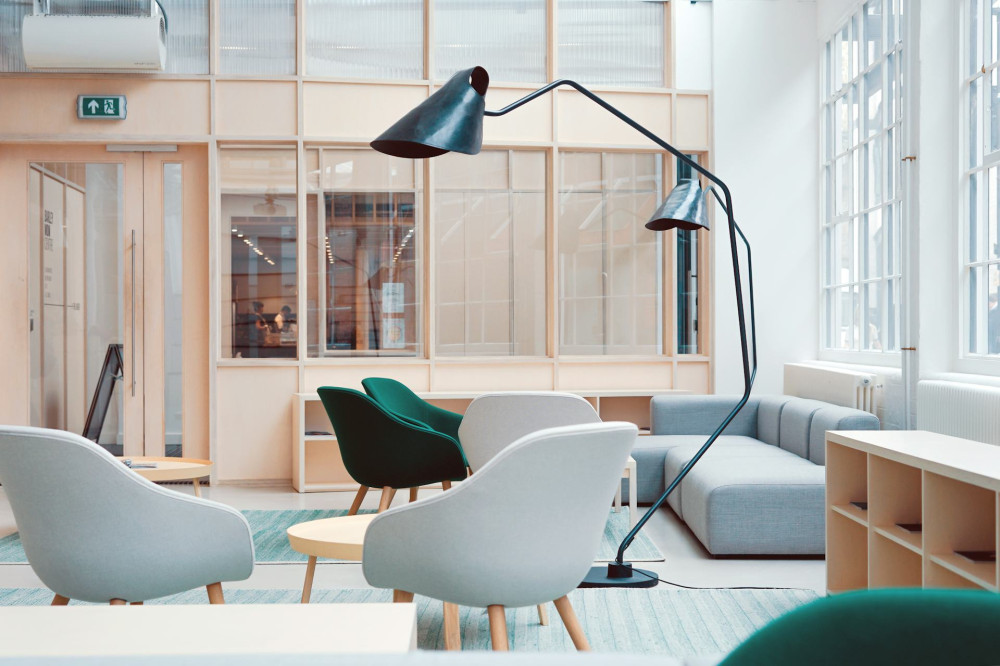
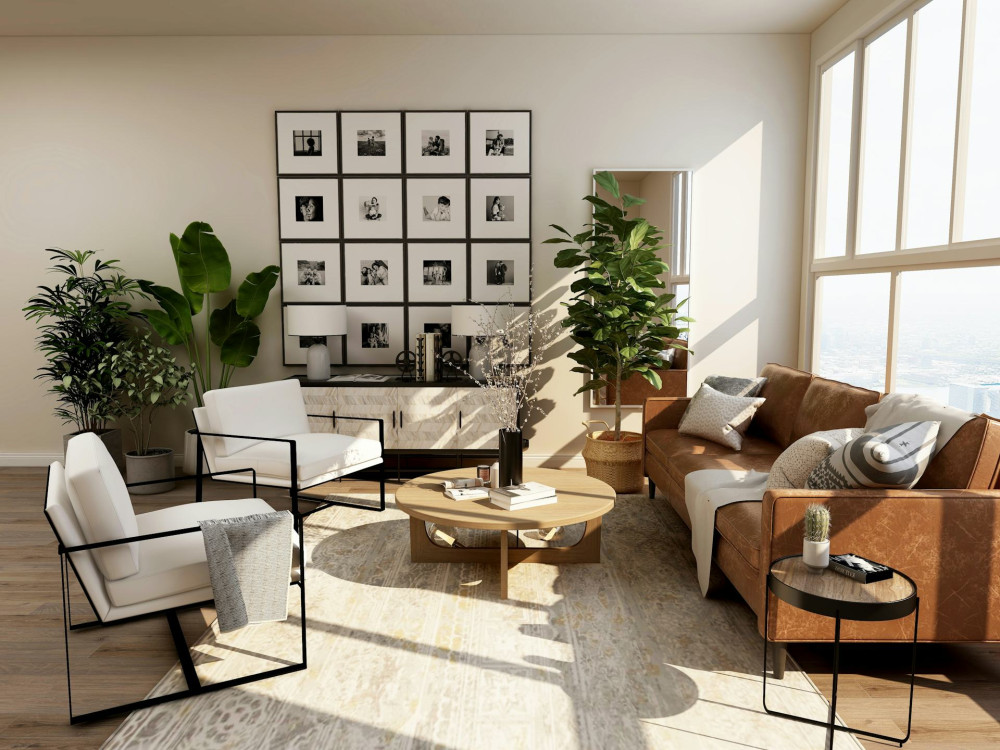
You can also create unity by repeating certain forms—round mirrors, curved lamps, or square frames—throughout your rooms. These subtle echoes create a visual rhythm that feels cohesive and intentional.

Lighting That Connects and Defines

Lighting plays a major role in how a home feels. A well-planned lighting scheme can reinforce your design’s consistency. Use similar materials or finishes in your light fixtures, but vary their placement and brightness depending on each room’s function.

Combine overhead lighting, wall sconces, and table lamps to add depth and flexibility. Warm light creates a cozy atmosphere, while cooler light works well in task areas like kitchens or offices. Repeating details—such as brass accents or frosted glass—can tie your lighting plan together beautifully.

Thoughtful Personal Touches

Your home should reflect who you are. Personal items, family heirlooms, and artwork bring soul and authenticity to your space. To maintain cohesion, consider how these pieces are displayed. A gallery wall, for example, looks more unified when the frames share a common color or material.

Be selective about what you showcase. Highlight a few meaningful pieces and let them shine, while keeping the surrounding décor simple. This balance ensures your personal touches enhance the overall design rather than overwhelm it.

Create Flow Between Rooms

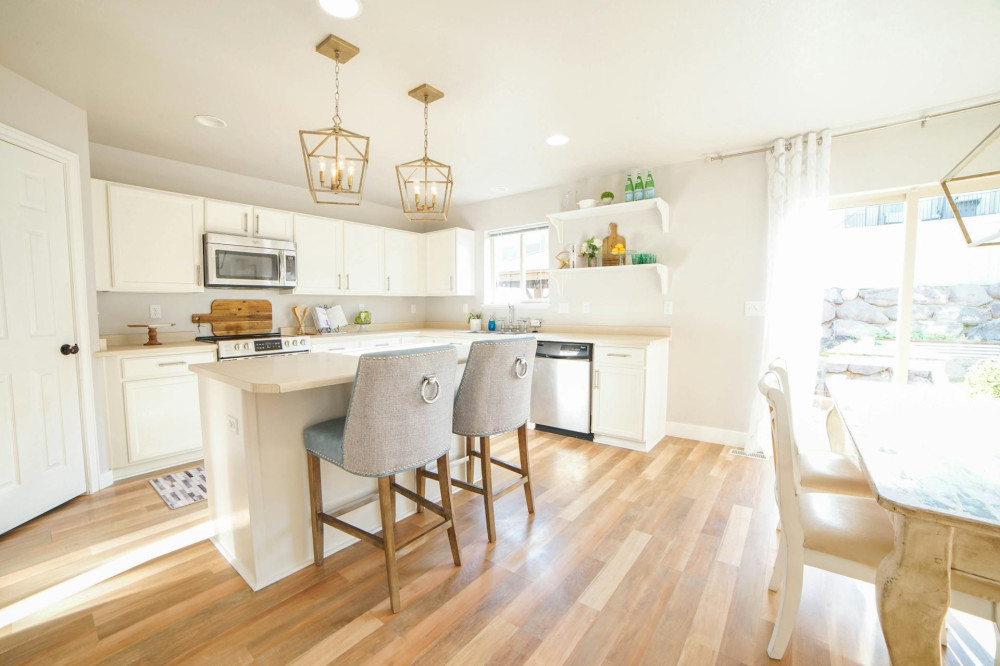
Cohesion also depends on how spaces connect physically. Think about how you move through your home—and how colors, light, and materials transition along the way. A continuous flooring material from the living room to the kitchen can create a seamless flow, while matching trim or door colors can subtly link rooms together.

If you live in a multi-level home, use the staircase as a design feature that visually connects floors—perhaps by repeating the railing’s material or color in other details throughout the house.

A Style That Evolves with You

A cohesive home doesn’t mean a static one. Your space will naturally evolve as your life and tastes change. The goal is to establish a flexible foundation that allows new pieces to fit in without disrupting the overall harmony. When you have a clear sense of your home’s style direction, every new choice—from a rug to a piece of art—feels like a natural addition to the story your home tells.

How to choose the right type of home for your family
Are you considering changing your home type? This e-book examines the advantages and disadvantages of different types of housing, from townhouses to apartments, so that you can more easily find the type of housing that suits your familys needs and lifestyle.
Download e-book
Building Permits vs. Other Approvals – Know the Difference Before You Start
Avoid costly mistakes by understanding which permits and approvals your project really needs
Renovation
Renovation
Building Permit
Home Improvement
Construction
Property Regulations
Renovation
5 min
Before starting any construction or renovation, it’s crucial to know the difference between building permits and other required approvals. Learn what each type covers, when you need them, and how to ensure your project meets all regulations from the start.
Ariana Bradley
Ariana
Bradley
Create a Cohesive Home with a Consistent Style
Bring harmony to your interiors with a unified design approach
Renovation
Renovation
Interior Design
Home Decor
Style Tips
Cohesive Interiors
Home Inspiration
6 min
Discover how to create a home that feels balanced and connected through consistent style choices. Learn to blend colors, materials, and lighting to achieve a cohesive look that still reflects your personality.
Piper Foster
Piper
Foster
Minimize Waste and Transportation in Your New Construction
Build smarter and greener by cutting down on waste and unnecessary transport
Renovation
Renovation
Sustainable Building
Construction Planning
Eco-Friendly Design
Waste Reduction
Green Home
5 min
Discover how thoughtful planning and smart material choices can reduce waste, limit transportation needs, and make your new construction project more sustainable. Learn practical steps to save resources, time, and money while building responsibly from the ground up.
Lucas Young
Lucas
Young
When Economy and Sustainability Go Hand in Hand in Construction
Building a future where cost efficiency and environmental responsibility strengthen each other
Renovation
Renovation
Sustainable Construction
Green Building
Energy Efficiency
Innovation
Circular Economy
4 min
Discover how the construction industry is redefining success by combining economic performance with sustainable practices. Learn how green design, circular construction, and energy efficiency can reduce costs, extend building lifespans, and create healthier environments.
Jack Brooks
Jack
Brooks
The Most Essential Tools for Every DIY Enthusiast
Equip your home workshop with the must-have tools for every project
Renovation
Renovation
DIY
Home Improvement
Tools
Workshop
Handyman
4 min
Discover the essential tools that every DIY enthusiast should own. From basic hand tools to powerful equipment and smart storage solutions, this guide helps you build a reliable toolkit for any home improvement task.
Amelia Ortiz
Amelia
Ortiz
When Technology Meets Aesthetics: The Changing Modern Home Style
Discover how technology and design merge to redefine the modern living space
Trends
Trends
Smart Home
Interior Design
Modern Living
Home Technology
Sustainable Design
3 min
From smart lighting to sustainable materials, technology is reshaping the way we live and decorate. Explore how innovation and aesthetics come together to create homes that are both functional and beautiful.
Ariana Bradley
Ariana
Bradley
Mindful Decorating with Plants – Create Calm and Presence in Your Home
Bring harmony and mindfulness into your home with the natural beauty of plants
Trends
Trends
Mindful Living
Home Decor
Indoor Plants
Wellness
Interior Design
7 min
Discover how thoughtful plant placement and care can transform your home into a peaceful retreat. Learn how to decorate mindfully with greenery to create balance, presence, and a deeper connection to nature.
Piper Foster
Piper
Foster
Transform Your Space with Simple Renovation Ideas
Refresh your home with easy updates that make a big difference
Trends
Trends
Home Renovation
Interior Design
DIY
Home Improvement
Decorating Ideas
3 min
Discover how small, budget-friendly renovation ideas can completely transform your home. From color and lighting to surfaces and details, learn simple ways to create a space that feels new, functional, and uniquely yours.
Lucas Young
Lucas
Young
How to Create a Functional Home After the Kids Have Moved Out
Redefine your living space and make your home truly yours again
Trends
Trends
Home Design
Empty Nest
Interior Inspiration
Decluttering
Lifestyle
5 min
When the kids have moved out, your home enters a new phase—full of space, opportunity, and potential. Discover how to transform empty rooms, declutter with purpose, and design a flexible, comfortable home that reflects your lifestyle today.
Jack Brooks
Jack
Brooks