When Economy and Sustainability Go Hand in Hand in Construction

When Economy and Sustainability Go Hand in Hand in Construction
The U.S. construction industry is undergoing a transformation. Where cost efficiency and speed once dominated, sustainability is now taking center stage. Yet, rather than being opposing goals, economic performance and environmental responsibility increasingly reinforce each other. When green thinking is integrated from the start, it can save money over time, extend building lifespans, reduce energy use, and create healthier spaces for people to live and work in.
Sustainability as an Investment, Not an Expense
Many still associate sustainable construction with higher upfront costs. It’s true that energy-efficient systems and eco-friendly materials often require a larger initial investment. But when viewed over the full life cycle of a building, the numbers tell a different story.
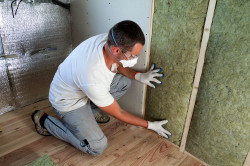
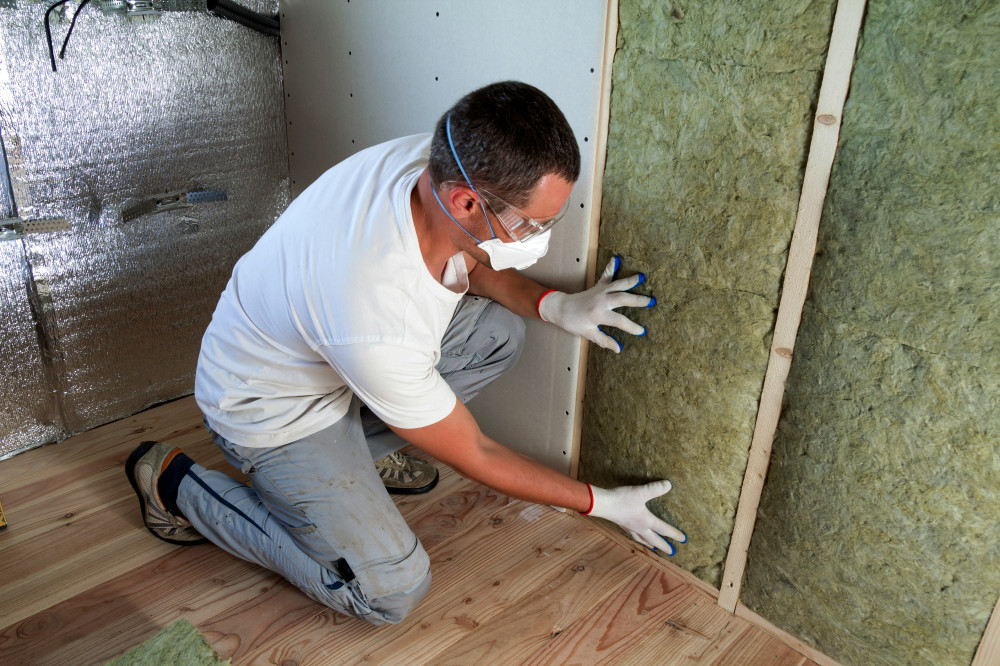
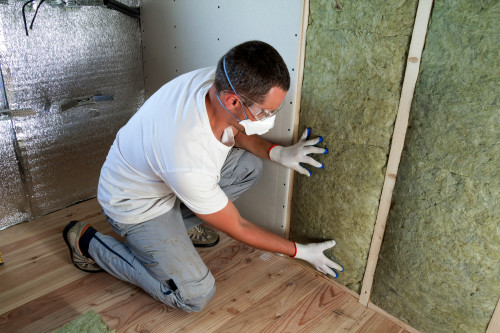
A well-insulated building equipped with solar panels, smart HVAC systems, and efficient lighting can dramatically cut operating costs. Durable materials also reduce maintenance needs and extend the building’s lifespan. The result is lower long-term expenses and higher property values.
Across the U.S., developers and homeowners alike are beginning to see sustainability not as an added cost, but as a smart investment in the future.
Circular Construction: Giving Materials a Second Life
One of the most promising trends in sustainable building is circular construction — designing with reuse and recycling in mind. Instead of demolishing and discarding, materials and components are carefully deconstructed and repurposed.
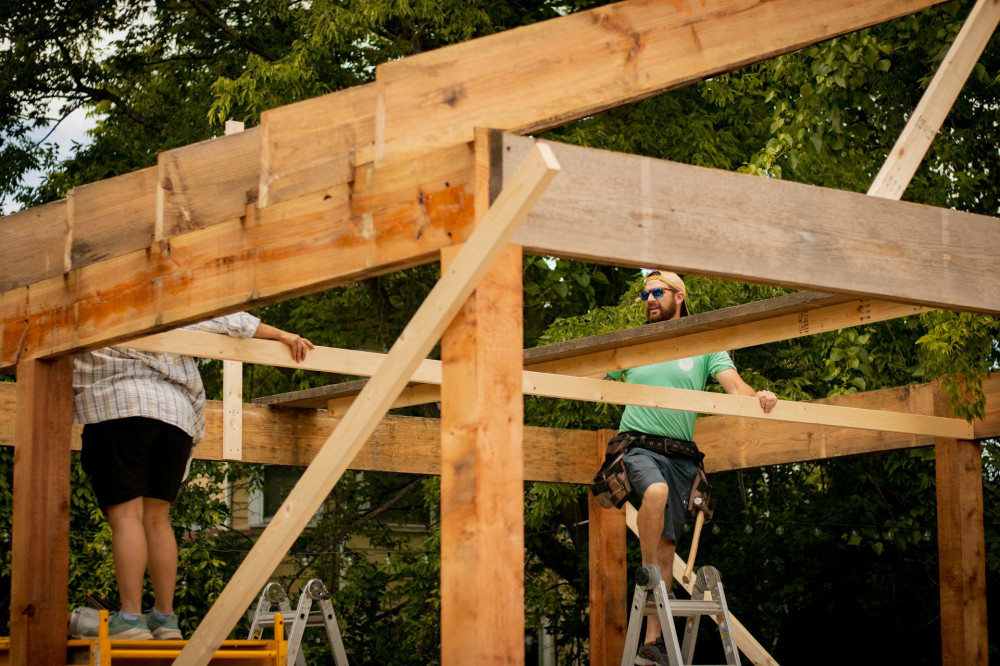
Reclaimed wood, recycled steel, and reused brick are finding new life in modern projects. This approach reduces waste and carbon emissions while often lowering material costs. Cities like Portland, Oregon, and Austin, Texas, are leading the way with deconstruction ordinances and incentives that make circular practices both environmentally and economically viable.
Energy Efficiency: The Hidden Savings
Energy use is one of the clearest areas where sustainability and economy align. Buildings account for nearly 40% of total U.S. energy consumption, meaning even small improvements can yield major savings.
Combining high-performance insulation, energy-efficient windows, heat pumps, and renewable energy sources can significantly reduce utility bills. Green buildings also tend to qualify for better financing terms, tax credits, and higher resale values. For businesses, lower operating costs translate directly into improved competitiveness and profitability.
Læs også:
Green Materials and Local Solutions
Material choices play a crucial role in sustainable construction. Locally sourced materials with low carbon footprints reduce transportation emissions and support regional economies. Engineered wood, recycled concrete, and low-carbon cement are gaining traction as alternatives to traditional materials that require large amounts of energy to produce.
Health and indoor air quality are also key considerations. Non-toxic paints, adhesives, and finishes create healthier environments for occupants — a benefit that can improve productivity and reduce absenteeism. Once again, sustainability proves to be good business.
Collaboration and Innovation Drive Progress
Bringing economy and sustainability together requires innovation and collaboration across the construction ecosystem. Architects, engineers, contractors, and developers must work closely to design solutions that are both green and cost-effective.
Digital tools such as Building Information Modeling (BIM) make it easier to calculate material use, energy performance, and life-cycle costs early in the design process. This data-driven approach helps prevent costly mistakes and ensures smarter decision-making.
Government programs and certification systems like LEED and ENERGY STAR also play a vital role by setting standards, offering incentives, and helping builders document both environmental and financial benefits.
The Future of Building Is Both Green and Smart
Sustainability in construction isn’t just about ideals — it’s about sound economics. When we take a long-term view, green solutions often prove to be the most cost-effective. They lower operating expenses, increase property value, and contribute to a healthier planet.
The future of American construction will increasingly be defined by how well it balances economy, environment, and quality of life. And it’s precisely at that intersection — where financial sense meets environmental responsibility — that the foundation for a truly sustainable building industry is being laid.
Læs også: