Minimize Waste and Transportation in Your New Construction

Minimize Waste and Transportation in Your New Construction
When you’re building a new home, every decision you make affects your budget, the environment, and the quality of the finished result. One of the most effective ways to make a positive impact is by minimizing waste and unnecessary transportation. Doing so not only saves money but also supports a more sustainable building process—one that uses resources, time, and energy efficiently. Here’s how you can plan your new construction project to reduce waste and transportation from start to finish.
Build Sustainability into the Design Phase
The best opportunities to reduce waste and transportation arise early in the planning stage. When working with your architect and builder, consider how design choices, materials, and construction methods can support efficiency. Ask for:
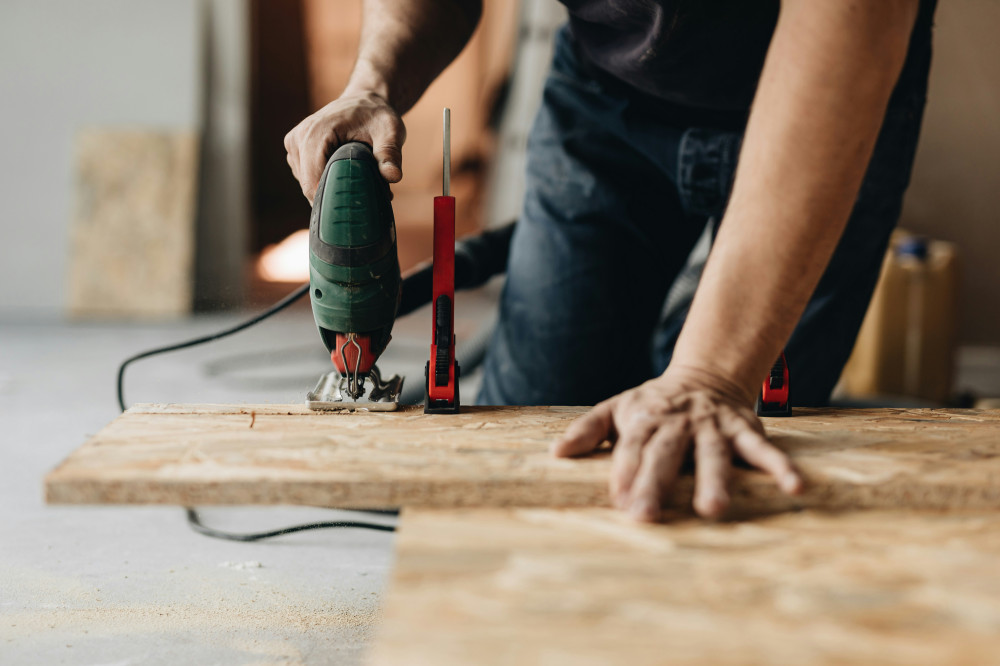
- Standard dimensions and modular design – Choose layouts and materials that align with standard sizes to reduce cutting and leftover scraps.
- Local suppliers and manufacturers – Sourcing materials close to your building site reduces transportation emissions and delivery delays.
- Prefabricated or precision-cut components – Factory-made elements can be produced to exact measurements, minimizing on-site waste.
By thinking holistically from the start, you can create a home that’s both efficient and environmentally responsible.
Læs også:
Plan Logistics to Avoid Unnecessary Trips
Transportation of materials, equipment, and workers contributes significantly to a project’s carbon footprint. A well-organized logistics plan can make a big difference.
- Coordinate deliveries – Schedule materials to arrive in the order they’ll be used, saving space and time on-site.
- Consolidate shipments – Combine orders to reduce the number of deliveries and make transportation more efficient.
- Hire local contractors – Local professionals spend less time on the road and can respond quickly to changes or issues.
A well-managed job site with clear routines for receiving and storing materials helps prevent damage, delays, and waste.
Choose Materials Wisely
Your choice of materials affects both waste and transportation. Some materials require long-distance shipping, while others can be sourced locally or reused.
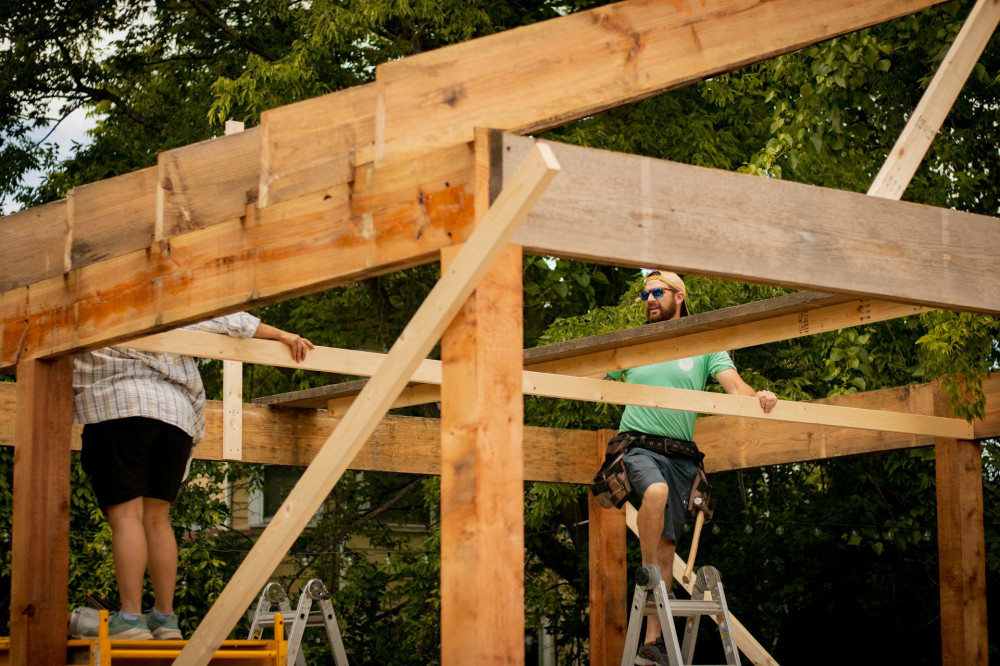
- Recycled and reclaimed materials – Consider reclaimed wood, recycled steel, or concrete with recycled content.
- Lightweight options – Materials that are easier to transport and handle can reduce fuel use and labor costs.
- Durable products – Long-lasting materials reduce the need for future replacements and additional transport.
Selecting materials that are both sustainable and durable is an investment in a home that will stand the test of time.
Reduce Waste on the Job Site
Even with careful planning, some waste is inevitable—but you can significantly reduce it through mindful practices.
- Store materials properly – Protect supplies from moisture, heat, and damage to avoid unnecessary replacement.
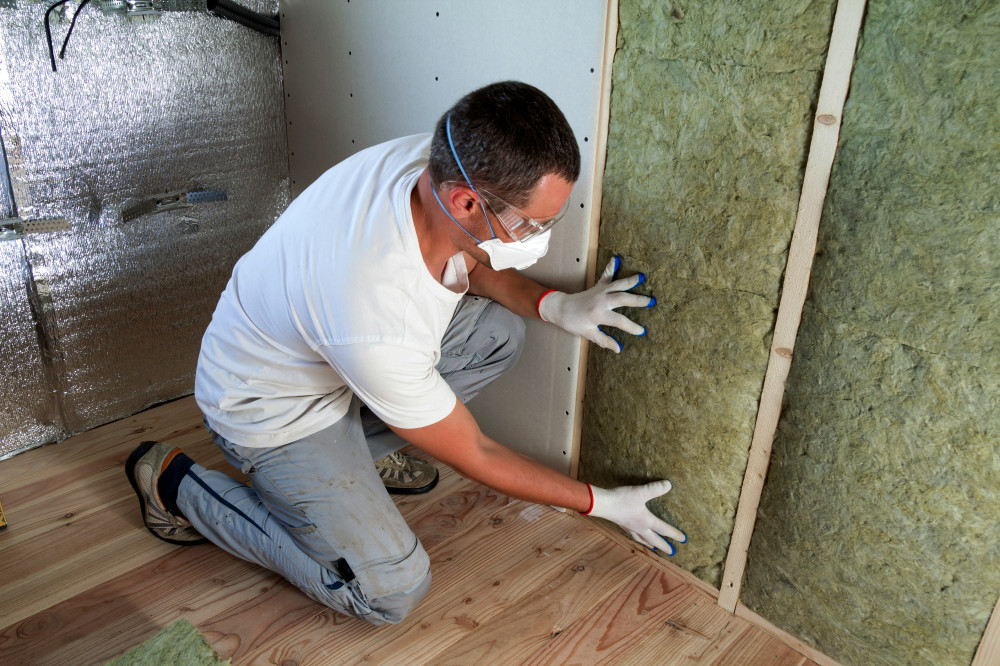
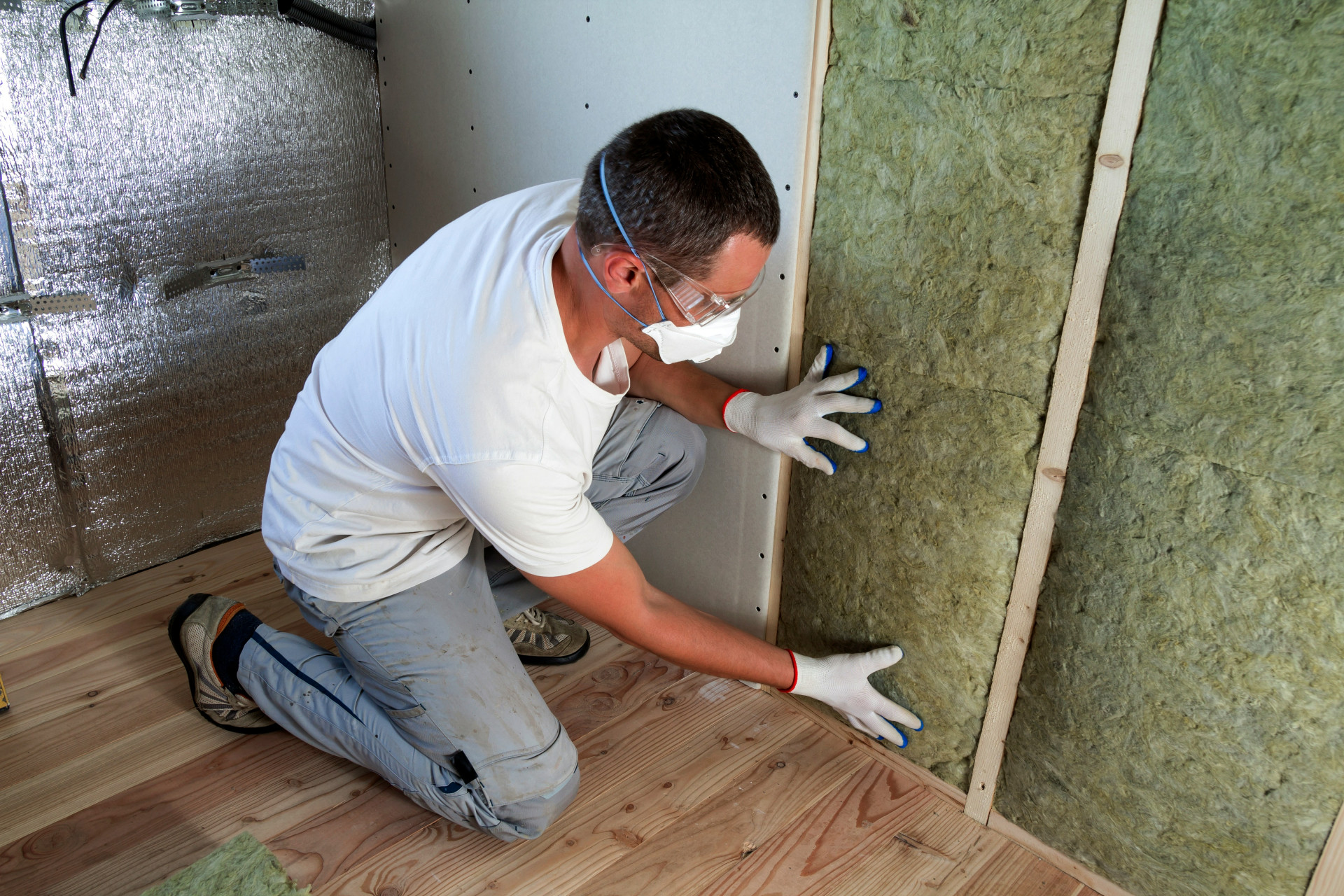
- Reuse leftover materials – Extra lumber, insulation, or tiles can often be used elsewhere in the project.
- Sort and recycle waste – Proper sorting makes recycling easier and reduces what ends up in landfills.
Many builders now offer waste management plans and reporting, allowing you to track recycling rates and identify areas for improvement.
Think Beyond Construction
A home designed with waste and transportation in mind also performs better over its lifetime. Energy-efficient design, local materials, and smart logistics lead to lower maintenance needs and reduced resource use in daily operation.
Consider:
- Energy efficiency – Good insulation, efficient HVAC systems, and smart design reduce heating and cooling demands.
- Flexible spaces – A home that can adapt to changing needs lasts longer and reduces future renovation waste.
- Circular design principles – Choose materials and assemblies that can be disassembled and reused when the home is renovated or replaced.
When you view your home as part of a full life cycle, sustainability becomes about more than construction—it’s about long-term stewardship.
Responsible Building Starts with Smart Planning
Minimizing waste and transportation in your new construction doesn’t necessarily require more resources—just better planning and conscious choices. By collaborating closely with your design and construction team, you can create a home that’s both cost-effective and environmentally responsible.
It’s about building smarter, not necessarily more expensively, and taking responsibility for the resources we use. In doing so, your new home becomes more than a place to live—it becomes part of a more sustainable future.
Læs også: