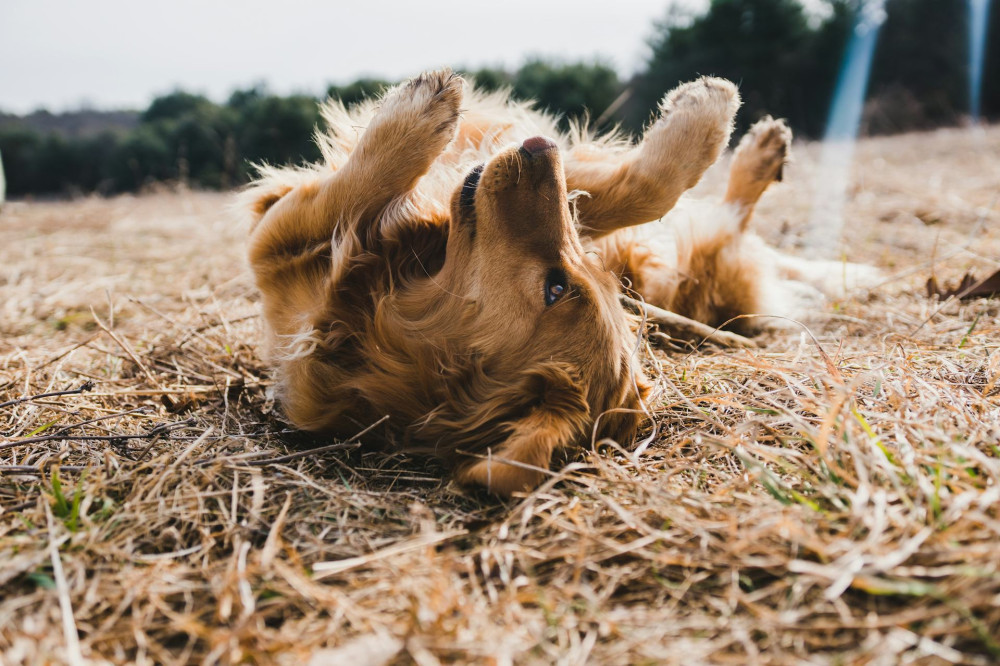
Cleaning as a Natural Part of Pet Care


Cleaning as a Natural Part of Pet Care
Having a pet brings joy, companionship, and warmth to a home—but also a fair share of fur, paw prints, and the occasional mess. Whether you share your life with a dog, cat, bird, or rabbit, cleaning is an unavoidable part of responsible pet ownership. It’s not just about keeping your home looking nice; it’s about creating a healthy, safe, and comfortable environment for both you and your animal companion.
Why Cleaning Matters for Pets and People
Pets shed, track in dirt, and sometimes have accidents. That’s perfectly normal, but without regular cleaning, it can lead to unpleasant odors, bacteria, and allergens. A clean home helps prevent skin issues and infections in pets and makes it easier to spot health problems like fleas, ticks, or wounds early on.
For humans, cleanliness means fewer allergic reactions, better air quality, and a more pleasant living space. In other words, cleaning isn’t just a chore—it’s an essential part of caring for your pet and your household.
Build a Routine That Works
Keeping a clean home with pets doesn’t have to be overwhelming. The key is consistency. Divide your cleaning tasks into daily, weekly, and monthly routines.
- Daily: Wipe paws after walks, clean litter boxes or cages, and pick up loose fur from floors and furniture.
- Weekly: Vacuum thoroughly, wash pet bedding and toys, and wipe down surfaces where your pet spends time.
- Monthly: Deep-clean your pet’s bed, crate, or carrier, and check for wear or damage.
Doing a little each day prevents dirt and odors from building up—and makes cleaning less time-consuming in the long run.
Choose Pet-Safe Cleaning Products
Many common cleaning products contain chemicals that can be harmful to pets if inhaled or ingested. Always check labels and avoid products with strong fragrances, bleach, or ammonia.
Opt for pet-safe, eco-friendly, and fragrance-free cleaners, or make your own using natural ingredients like vinegar and baking soda. These are effective at removing dirt and neutralizing odors without posing a risk to your pet’s health. After cleaning, open windows to let in fresh air—ventilation helps remove any lingering fumes or moisture.
Managing Fur, Feathers, and Dander
Pet hair is one of the biggest challenges for many owners. Investing in a good vacuum with a pet-hair attachment can make a world of difference. Lint rollers, rubber gloves, or microfiber cloths are also great for removing hair from furniture and clothing.
Regular grooming is another powerful tool. Brushing your dog or cat a few times a week reduces shedding and keeps their coat healthy. For birds and small animals, keep cages in areas where feathers or bedding won’t spread easily, and use liners that are simple to replace.
Cleaning as a Way to Connect
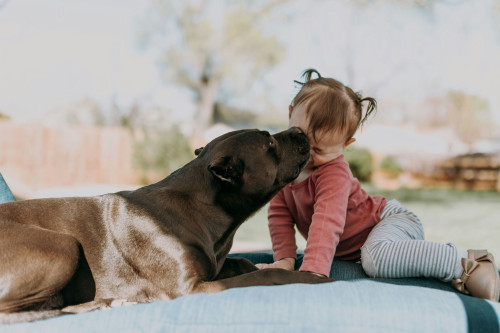
Cleaning doesn’t have to feel like a burden—it can actually strengthen your bond with your pet. Many animals enjoy being brushed or having their space tidied up, and these moments can become part of your shared routine.
Use cleaning time to observe your pet’s health and behavior. Are they eating normally? Is their skin or coat in good condition? Small observations like these can help you catch potential issues early.
Læs også:


A Clean Home Is a Happy Home
When cleaning becomes a natural part of pet care, you create a home where everyone thrives. It’s not about perfection or spotless floors—it’s about balance. A clean, fresh environment supports your pet’s well-being and makes your home more enjoyable for you, your family, and your furry (or feathered) friend.
A tidy home smells better, feels more comfortable, and leaves more room for what truly matters: the joy of sharing your life with a pet who feels safe, healthy, and loved.
Læs også: