Good Sleep Habits for Pets – Create Comforting Routines

Good Sleep Habits for Pets – Create Comforting Routines
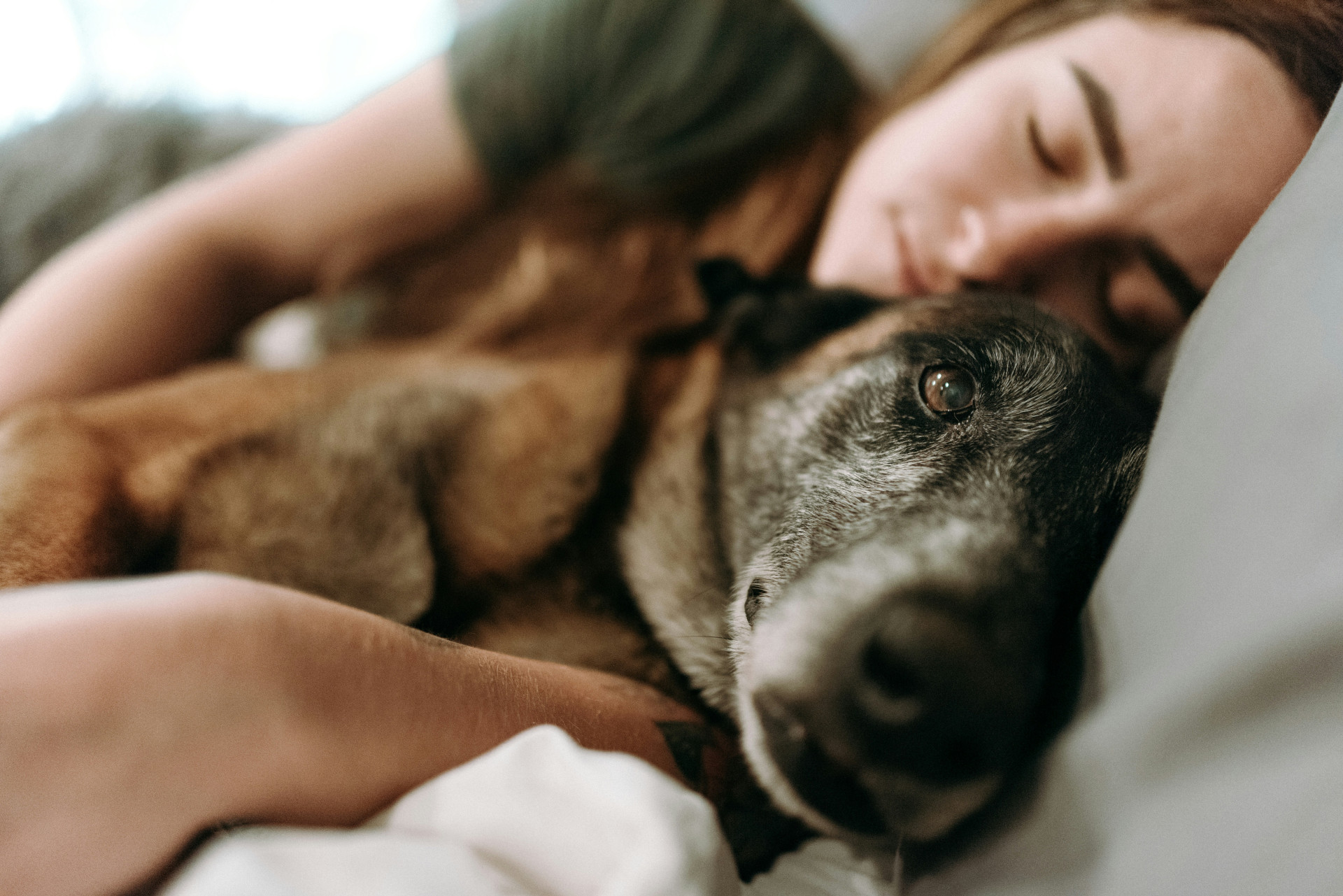
Just like people, pets need consistent routines and healthy sleep habits to thrive. Sleep plays a vital role in their physical health, behavior, and overall well-being. Whether you share your home with a dog, cat, rabbit, or another companion animal, a few simple steps can help you create a calm environment that supports restful sleep.
Why Sleep Matters for Pets
Sleep isn’t just downtime—it’s when the body and mind recharge. Well-rested pets have stronger immune systems, steadier moods, and better learning and adaptability. On the other hand, poor sleep can lead to stress, irritability, and behavioral issues.
Dogs and cats sleep far more than humans. Adult dogs often sleep 12–14 hours a day, while cats may snooze up to 16 hours. That means their surroundings should allow for quiet, uninterrupted rest throughout the day.
Læs også:


Create a Safe and Cozy Sleep Space
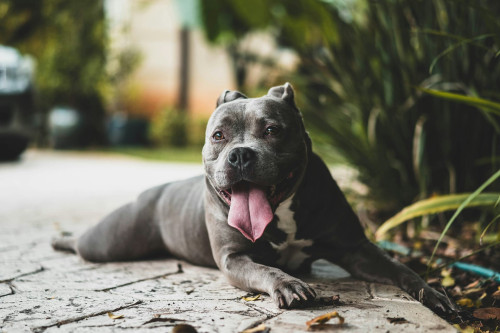
A designated, comfortable sleeping area is key to good sleep habits. Pets need a place where they feel secure and can retreat when they want peace and quiet.
- Choose a quiet corner – away from household traffic, drafts, and loud noises.
- Provide a comfortable bed – dogs often prefer a soft cushion or crate pad, while cats love enclosed spaces or elevated perches.
- Keep the temperature comfortable – not too hot or too cold.
- Minimize disturbances – teach children and guests to respect your pet’s rest time.
For small pets like rabbits, guinea pigs, or hamsters, place their enclosure in a spot with natural light but out of direct sun or drafts. Make sure they have a hideaway where they can feel safe.
Routines Bring Calm
Pets thrive on predictability. When they know when to eat, play, and rest, they settle more easily. Try to keep consistent times for meals, walks, and play sessions—this helps your pet find a natural rhythm.
For dogs, an evening routine that includes a short walk and some quiet bonding time signals that the day is winding down. Cats, who are often more active at night, can benefit from playtime in the early evening to help them burn off energy before bedtime.
Signs of Poor Sleep
If your pet seems restless, cranky, or sleeps fitfully, something may be disrupting their rest. Common causes include:
- Too much noise or activity near their sleeping area
- Physical discomfort, such as pain or itching
- Not enough exercise during the day
- Changes in the household that cause stress
Watch for changes in behavior, and consult your veterinarian if you’re unsure. Sleep problems can sometimes indicate underlying health or anxiety issues.
Adjust Sleep to Your Pet’s Age
Young and senior pets have special sleep needs. Puppies and kittens sleep a lot because they’re growing and learning. They need a warm, quiet space free from too much stimulation. Older pets may need extra support, such as an orthopedic bed, and may sleep more lightly due to joint stiffness or reduced hearing.
By tailoring your pet’s sleep environment to their age and health, you can greatly improve their comfort and quality of life.
Balance Activity and Rest
A pet that gets enough physical and mental stimulation during the day sleeps better at night. Provide daily walks, play, and interaction—but avoid overstimulation right before bedtime. Like humans, pets need time to wind down before they can relax.
For cats, climbing trees and cozy hideouts let them choose between activity and rest. For dogs, a gentle chew toy or quiet cuddle time before bed can be a soothing way to end the day.
A Good Night’s Sleep for Everyone
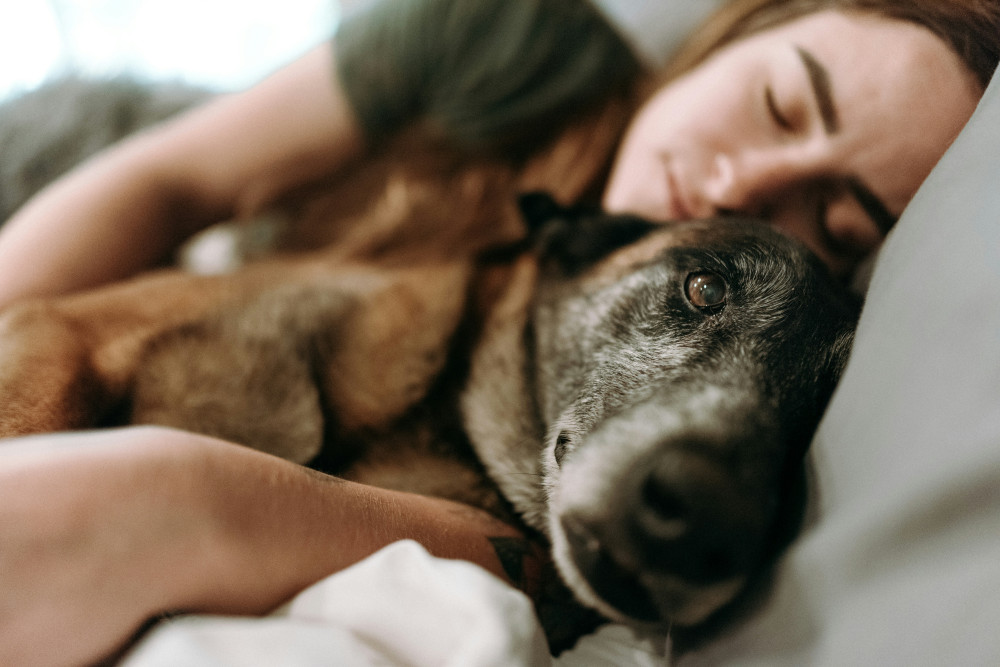
When your pet sleeps well, the whole household benefits. A well-rested animal is calmer, happier, and easier to live with. Good sleep habits aren’t just about comfort—they’re about creating security and stability in your pet’s daily life.
With consistent routines, a safe sleeping space, and attention to your pet’s individual needs, you can help ensure they enjoy healthy, peaceful sleep—every single day.
Læs også: