Help Your Kids Take Responsibility for Their Pet – How to Support Them in Everyday Life

Help Your Kids Take Responsibility for Their Pet – How to Support Them in Everyday Life
A pet can bring children joy, comfort, and a sense of companionship – but it also comes with responsibility. Many parents find that, in practice, they end up doing most of the feeding, walking, and cleaning. With the right support, however, kids can learn to take an active role in caring for their pet and develop important life skills such as empathy, consistency, and perseverance. Here’s how you can help your child take responsibility for the family pet in everyday life.
Make Responsibilities Age-Appropriate
The first step is to match tasks to your child’s age and maturity level. Young children can’t handle full responsibility, but they can still participate in small ways.
- Ages 3–6: Let your child help with simple tasks like pouring food into the bowl, brushing the pet’s fur, or refilling the water dish. At this stage, it’s mostly about building a positive connection with the animal.
- Ages 7–10: Kids can start taking on regular duties, such as feeding the pet at certain times or helping with walks.
- Ages 11 and up: Older children can take more independent responsibility – remembering feeding times, cleaning cages or litter boxes, and keeping an eye on the pet’s well-being.
The key is for your child to feel that their efforts matter, while you provide guidance and support without taking over.
Create Consistent Routines
Pets thrive on routine – and so do kids. Establish a daily schedule that makes pet care a natural part of family life. You might post a chart on the fridge with tasks and times.
For example:
- Morning: Fill food and water bowls.
- Afternoon: Take the dog for a walk or play with the cat.
- Weekend: Clean the cage, brush the pet, or wash bedding.
When children can see what’s expected, it’s easier for them to remember – and it helps prevent arguments about who was supposed to do what.
Be a Role Model
Children learn best by watching their parents. If you show patience and kindness toward the pet, your child will mirror that behavior. Include your child when you handle practical tasks like trimming nails, visiting the vet, or buying food. Explain why these things matter and encourage questions.
When kids see you taking the pet’s needs seriously, they learn that responsibility isn’t just about chores – it’s also about respect and care.
Make Pet Care Fun
If caring for the pet feels like a chore, kids will quickly lose motivation. Try turning it into a fun, shared activity. Play music while cleaning the cage, or create small games where your child can train the pet with treats. The more your child associates pet care with positive experiences, the more likely they are to stay engaged.
You can also encourage your child to keep a “pet journal,” writing or drawing what the pet did, ate, or learned that day. This helps build both engagement and understanding of the animal’s behavior.
Talk About Responsibility – Even When It’s Hard
There will be days when your child forgets their tasks or doesn’t feel like helping. Instead of scolding, use these moments to talk about what responsibility means. Explain that the pet depends on the family and can’t speak up when it needs something.
At the same time, acknowledge that everyone forgets sometimes. Help your child find solutions – maybe setting a phone reminder or doing the task together until it becomes a habit.
Involve Your Child in Decisions
When children have a say, they feel more invested. Let them help choose food, toys, or new activities for the pet. If you’re planning a family trip, involve them in deciding who will care for the pet and what needs to be packed.
By including your child in these decisions, you teach that responsibility also involves planning and thoughtfulness – not just completing tasks.
Læs også:


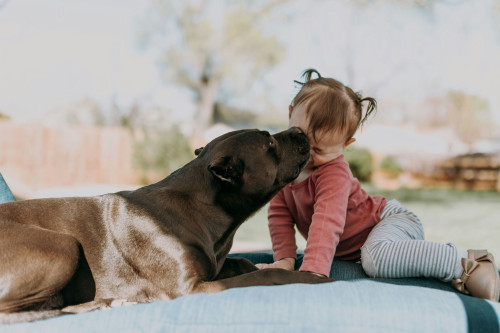

When Responsibility Becomes a Gift
Having a pet can be one of the most rewarding experiences of childhood. It gives kids the chance to feel the joy of caring for another living being – and to understand that responsibility and love go hand in hand.
As a parent, your role is to guide, support, and create the right environment for your child to grow into the task. When that happens, both your child and the pet benefit – and the whole family enjoys a stronger bond.
Læs også: