Eco-Friendly Garages: Regulations and Sustainable Initiatives

Eco-Friendly Garages: Regulations and Sustainable Initiatives
For many homeowners, a garage is more than just a place to park the car—it’s a workspace, a storage area, or even a small extension of the home. As sustainability becomes a growing priority, more Americans are looking for ways to make their garages greener. From building codes to energy efficiency and eco-friendly materials, there are many ways to reduce your garage’s environmental footprint. Here’s an overview of the key regulations and sustainable initiatives to consider when planning or upgrading an eco-friendly garage in the United States.
Building Codes and Permits
Before starting any construction or renovation, it’s essential to understand local building regulations. In the U.S., garage construction is governed by state and local building codes, which are often based on the International Residential Code (IRC) and International Building Code (IBC).
- Permits and zoning: Most municipalities require a building permit for new garages or major remodels. Detached garages may also be subject to zoning rules that regulate size, height, and distance from property lines.
- Energy efficiency standards: If your garage is attached to your home or includes conditioned space (heating or cooling), it must meet local energy codes, such as those outlined in the International Energy Conservation Code (IECC).
- Fire safety and insulation: Garages attached to homes must include fire-rated walls and ceilings separating them from living areas. Proper insulation and air sealing are also required to prevent fumes and heat loss.
Always check with your local building department before beginning work to ensure compliance and avoid costly corrections later.
Læs også:



Sustainable Building Materials
The materials you choose can significantly affect your garage’s environmental impact. Traditional materials like concrete and steel have high carbon footprints, but there are greener alternatives.
- Sustainably sourced wood: Certified lumber (FSC or SFI) is renewable and stores carbon. It’s ideal for framing or cladding.
- Recycled and reclaimed materials: Using reclaimed bricks, metal roofing, or recycled insulation reduces waste and adds character.
- Low-VOC paints and finishes: Opt for paints, sealants, and coatings with low or zero volatile organic compounds to improve indoor air quality and reduce harmful emissions.
Durable, low-maintenance materials not only reduce environmental impact but also save money over time.
Energy Efficiency and Lighting
Even though garages are often used intermittently, they can still consume a surprising amount of energy. Improving efficiency can make a big difference.
- LED lighting: LEDs use up to 80% less energy than incandescent bulbs and last much longer.
- Motion sensors and timers: These ensure lights and fans only run when needed.
- Solar panels: A small rooftop solar array can power lighting, tools, or even an electric vehicle charger.
- Insulated doors and walls: If you use your garage as a workshop or studio, insulation helps maintain a comfortable temperature and reduces energy waste.
Combining solar power with efficient lighting and insulation can make your garage nearly energy self-sufficient.
Green Roofs and Water Management
Garages offer an excellent opportunity to incorporate green infrastructure. A green roof—planted with sedum, grasses, or native plants—can absorb rainwater, improve insulation, and reduce heat buildup around your home.
You can also install a rainwater collection system to capture runoff from the roof. The collected water can be used for garden irrigation or outdoor cleaning, reducing demand on municipal water supplies and helping manage stormwater runoff.
Integrating Sustainability into Everyday Use
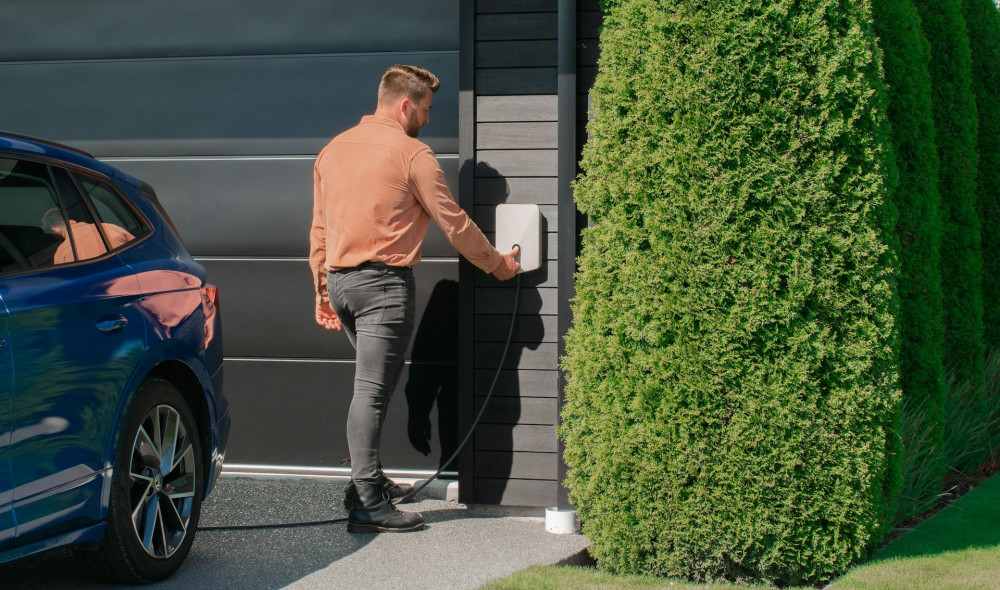
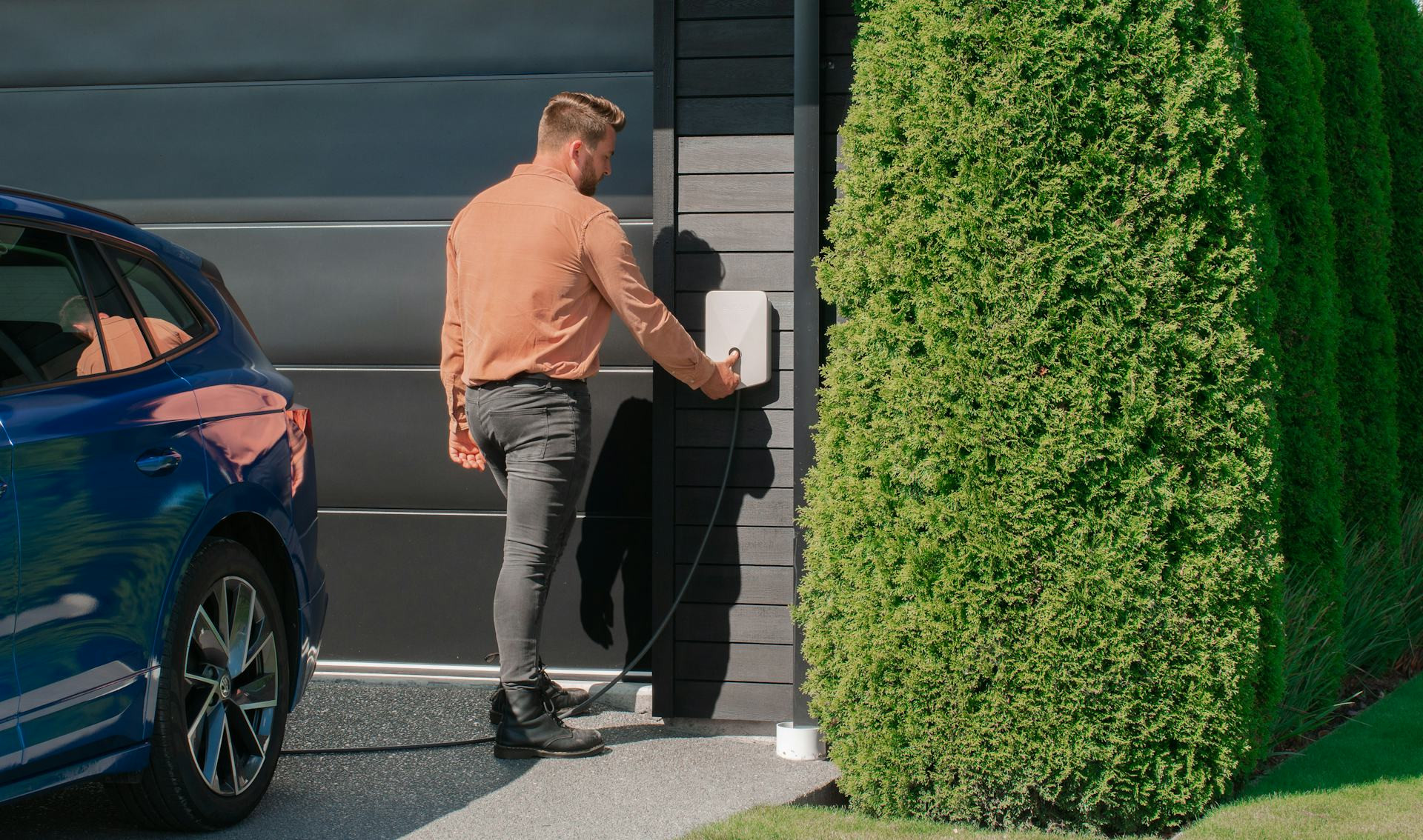
An eco-friendly garage isn’t just about construction—it’s also about how you use the space. Consider setting up areas for bike storage, recycling, or repair projects to encourage sustainable habits. If you own an electric vehicle, installing a Level 2 EV charger powered by solar energy can make your garage a hub for clean transportation.
Smart charging systems can even schedule charging during off-peak hours or when renewable energy is most available, saving both money and emissions.
The Future of the American Garage
As electric vehicles, renewable energy, and sustainable design continue to evolve, the garage is becoming an integral part of the home’s energy ecosystem. Future garages may store solar energy, manage power flows, and serve as flexible spaces for work and recreation.
By choosing sustainable materials, efficient systems, and thoughtful design, you can create a garage that not only protects your car but also contributes to a cleaner, more energy-efficient home—and a healthier planet.
Læs også: