Redesigning Your Garage? Remember to Adjust the Lighting

Redesigning Your Garage? Remember to Adjust the Lighting
When you’re giving your garage a makeover—whether you’re turning it into a workshop, a home gym, or simply a more organized storage space—it’s easy to focus on shelving, paint, and flooring. But one crucial element often gets overlooked: lighting. The right lighting can transform your garage from a dim, impractical space into one that’s functional, safe, and pleasant to spend time in. Here’s how to make sure your lighting plan matches your new garage design.
Start by Defining the Purpose of the Space
Before you pick out fixtures, think about how you’ll use the garage. Is it mainly for parking, storage, or hands-on projects? Or are you converting it into a hobby area or home gym?
- For parking and storage, even, bright lighting is key. You want to see clearly without harsh shadows.
- For a workshop, you’ll need focused task lighting, especially over workbenches and tool areas.
- For a hobby or fitness space, consider warmer, more inviting light that makes the room comfortable to spend time in.
Once you know the purpose, it’s easier to plan where and how to place your lights.
Læs også:



Choose the Right Type of Lighting
Most garages have little or no natural light, so artificial lighting does the heavy lifting. LED fixtures are the best choice today—they’re energy-efficient, long-lasting, and available in many styles.
- Ceiling-mounted LED panels or strips provide bright, even light across the entire space.
- Adjustable task lights are perfect for detailed work at a bench or table.
- Wall-mounted fixtures can brighten dark corners or highlight storage areas.
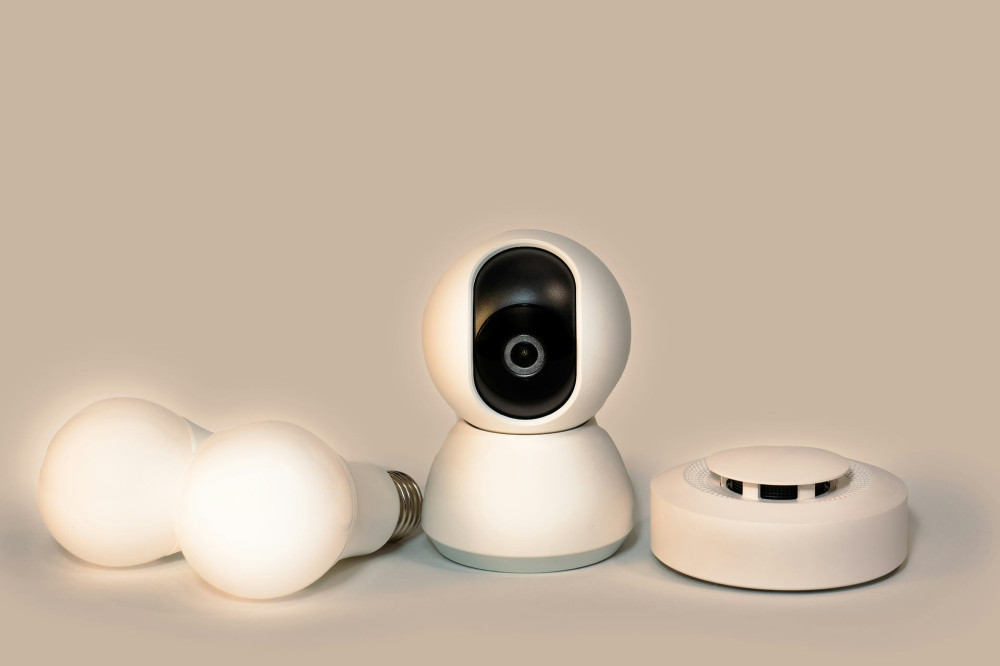
- Motion-sensor lights are convenient if you often enter the garage with your hands full—they turn on automatically when you walk in.
For general lighting, look for bulbs around 4000 Kelvin for a neutral, daylight-like tone that makes it easier to see details.
Avoid Shadows and Glare
One of the most common lighting problems in garages is uneven illumination. Shadows and glare can make it hard to work safely. To minimize them:
- Use several smaller light sources instead of one large fixture.
- Angle lights so they spread evenly across work surfaces.
- Choose matte finishes for walls and ceilings to diffuse light softly.
- Avoid placing lights directly in front of mirrors, windows, or shiny metal surfaces.
A good trick is to test your lighting setup while you’re actually working in the space—move fixtures around until you find the most comfortable arrangement.
Consider Colors and Surfaces
Lighting doesn’t work in isolation—it interacts with the colors and materials in your garage. Light-colored walls and ceilings reflect light better, making the space feel larger and brighter. Painting the walls a soft white or light gray can help you achieve good brightness with fewer fixtures.
Flooring matters too. Glossy epoxy or polished concrete can create glare, while a matte finish helps diffuse light and reduce reflections.
Make the Lighting Flexible
Garages rarely serve just one purpose. That’s why flexibility is important. Consider adding:
- Dimmable fixtures, so you can turn up the brightness for projects and lower it when you just need to grab something.
- Zoned lighting, allowing you to control different areas separately.
- Portable or track-mounted lights, which can be repositioned as your needs change.
Flexible lighting makes your garage more versatile—ready for both practical tasks and creative projects.
Keep Safety in Mind
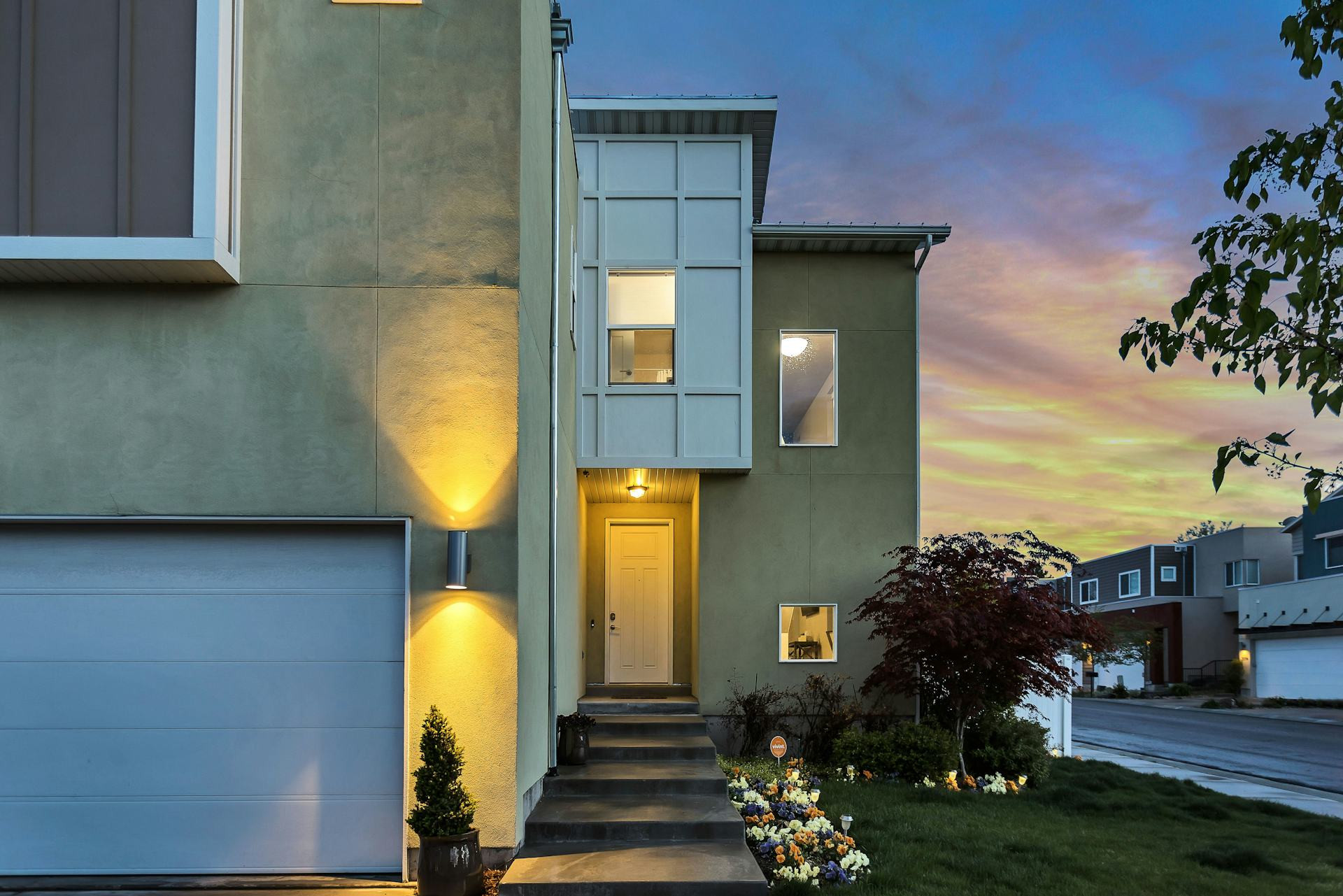
Good lighting is also about safety. Make sure your driveway and the area in front of the garage are well lit to prevent accidents at night. Outdoor LED floodlights with motion sensors are an easy, energy-efficient solution.
Inside, ensure all electrical work is properly installed and rated for garage conditions, where temperature and humidity can vary. If you’re doing the installation yourself, use fixtures approved for workshop or utility environments.
A Space You’ll Actually Enjoy Using
When your lighting is well planned, your garage becomes more than just a place to park the car. It turns into a functional, inspiring space where you’ll actually enjoy spending time—whether you’re fixing, building, painting, or simply keeping things organized.
So next time you redesign your garage, remember: it’s not just about the shelves and the paint. The lighting is what brings it all together.
Læs også: