Hazardous Waste in Your Garage – How to Handle and Dispose of It Properly and Safely

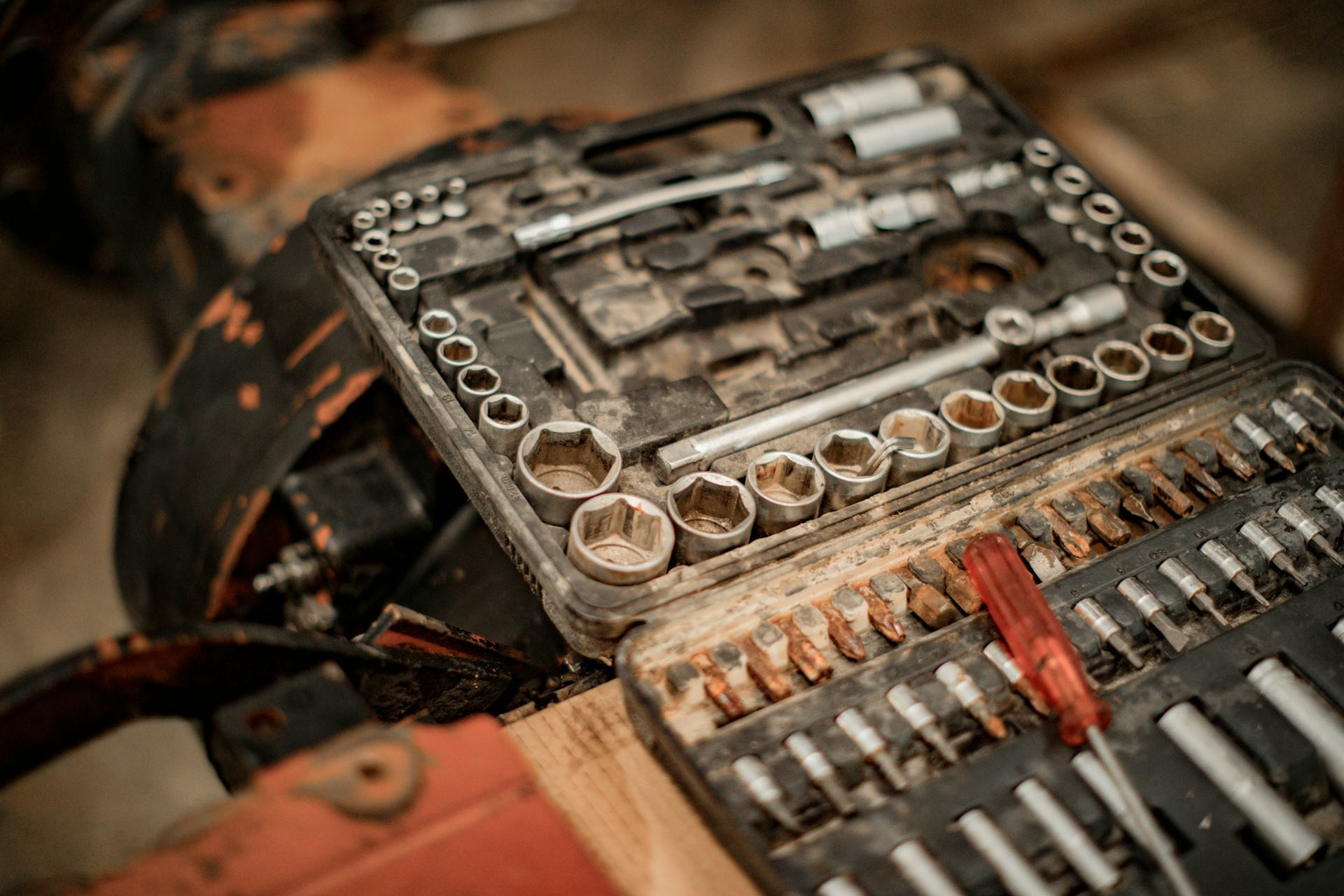
Keep your home and environment safe by learning how to manage hazardous materials in your garage
Car
Car
4 min
Many common household products stored in the garage can be dangerous if not handled properly. Learn how to identify, store, and dispose of hazardous waste safely to protect your family, your community, and the environment.
Jack Brooks
Jack
Brooks

Hazardous Waste in Your Garage – How to Handle and Dispose of It Properly and Safely

Keep your home and environment safe by learning how to manage hazardous materials in your garage
Car
Car
4 min
Many common household products stored in the garage can be dangerous if not handled properly. Learn how to identify, store, and dispose of hazardous waste safely to protect your family, your community, and the environment.
Jack Brooks
Jack
Brooks

For many Americans, the garage is more than just a place to park the car. It’s a storage space for paint cans, motor oil, cleaning products, and all sorts of household chemicals. But hidden among these everyday items is a serious environmental and safety concern: hazardous waste. Leftover paint, old batteries, pesticides, and solvents can all pose risks to your health and the environment if not handled correctly. Here’s how to identify, store, and dispose of hazardous waste safely and responsibly.

What Counts as Hazardous Waste?

Hazardous waste includes materials that are flammable, toxic, corrosive, or reactive. In a typical garage, that might include:

  • Paint, varnish, and paint thinner
  • Motor oil, brake fluid, and antifreeze
  • Aerosol cans and propane cylinders
  • Batteries and electronic devices
  • Cleaning agents and solvents
  • Pesticides, herbicides, and fertilizers

If a product label includes warnings such as danger, poison, flammable, or corrosive, it should be treated as hazardous. These items require special handling and should never be thrown in the regular trash or poured down the drain.

Safe Storage: Prevention Is Key

Before you can properly dispose of hazardous materials, it’s important to store them safely. Many accidents happen because chemicals are left open, leaking, or mixed together by mistake.

  • Keep products in their original containers so you can always identify what’s inside.
  • Seal lids tightly and avoid transferring contents to unmarked bottles or jars.
  • Store out of reach of children and pets, ideally in a locked cabinet or on a high shelf.
  • Keep away from heat sources and open flames, as many products are highly flammable.
  • Never mix chemicals, since combining them can cause dangerous reactions or toxic fumes.

If you find old containers with missing labels, don’t guess what’s inside. Treat them as unknown hazardous waste and bring them to a collection site.

How to Dispose of Hazardous Waste Properly

Hazardous waste should never go in your household trash, recycling bin, or down the drain. These materials can contaminate soil and water or cause fires and explosions in waste facilities. Instead, take them to a Household Hazardous Waste (HHW) collection site or event.

Most counties and cities in the U.S. have HHW programs that accept items like paint, oil, batteries, and chemicals. Some areas also offer curbside collection or drop-off events a few times a year. To find your nearest facility, check your local government’s website or visit the EPA’s HHW directory.

When dropping off hazardous waste:

  • Make sure containers are sealed and clearly labeled.
  • Do not mix different products in one container.
  • Transport items in a sturdy box, upright, and away from passengers.
  • Ask staff if you’re unsure where something belongs—many materials can be recycled or reused safely.

Smart Habits to Reduce Hazardous Waste

The best way to manage hazardous waste is to create less of it in the first place. A few simple habits can make a big difference:

  • Buy only what you need. Avoid overbuying paint, oil, or chemicals that will sit unused.
  • Choose eco-friendly or water-based products. They’re safer to use and easier to dispose of.
  • Share leftovers. Offer extra paint or lawn chemicals to neighbors or community projects.
  • Maintain your equipment. A well-tuned car or lawn mower uses fewer fluids and produces less waste.

By being mindful of what you buy and how you use it, you can reduce both your environmental footprint and the hazards in your garage.

If a Spill Happens

Accidents can happen, even with the best precautions. If you spill oil, paint, or chemicals:

  1. Wear gloves and ensure good ventilation.
  2. Absorb the spill with cat litter, sand, or sawdust—never with paper towels or rags that could ignite.
  3. Collect the used absorbent material and place it in a sealed bag or container.
  4. Dispose of it as hazardous waste at your local collection site.
  5. Clean the area thoroughly, avoiding rinsing chemicals into drains or onto the ground.

If you experience dizziness, nausea, or other symptoms after exposure, contact Poison Control (1-800-222-1222) or seek medical help immediately.

A Small Effort with a Big Impact

Handling hazardous waste properly doesn’t take much time, but it makes a huge difference for your safety, your community, and the environment. By storing, sorting, and disposing of these materials responsibly, you help protect groundwater, wildlife, and the people who manage our waste systems.

So next time you tidy up your garage, take a closer look at those shelves—you might find more hazardous waste than you realize. Taking the time to deal with it safely is one of the simplest ways to make your home and neighborhood a cleaner, safer place.

How to choose the right type of home for your family
Are you considering changing your home type? This e-book examines the advantages and disadvantages of different types of housing, from townhouses to apartments, so that you can more easily find the type of housing that suits your familys needs and lifestyle.
Download e-book
Give Your Garage Door a Unique Look with Wood, Steel, or Aluminum
Transform your home’s exterior with a garage door that reflects your personal style
Car
Car
Garage Door
Home Improvement
Exterior Design
Materials
Curb Appeal
7 min
Discover how the right garage door material—wood, steel, or aluminum—can elevate your home’s curb appeal. Learn about the unique qualities of each option, from natural warmth to modern strength, and find the perfect match for your design and lifestyle.
Ariana Bradley
Ariana
Bradley
Eco-Friendly Garages: Regulations and Sustainable Initiatives
Discover how sustainable design and smart regulations are transforming the modern American garage
Car
Car
Sustainability
Green Building
Home Improvement
Energy Efficiency
Eco-Friendly Design
2 min
From eco-friendly materials to energy-efficient lighting and green roofs, garages across the U.S. are going green. Learn about the latest regulations, building codes, and sustainable initiatives that can help you create a more environmentally responsible space at home.
Piper Foster
Piper
Foster
Extend the Lifespan of Your Tools and Equipment with Proper Maintenance
Keep your tools performing like new with simple care routines
Car
Car
Tool Maintenance
DIY
Equipment Care
Workshop Tips
Home Improvement
6 min
Proper maintenance is the key to getting the most out of your tools and equipment. Learn how regular cleaning, lubrication, sharpening, and smart storage can prevent wear, save money, and ensure your gear is always ready for the next project.
Lucas Young
Lucas
Young
Hazardous Waste in Your Garage – How to Handle and Dispose of It Properly and Safely
Keep your home and environment safe by learning how to manage hazardous materials in your garage
Car
Car
Hazardous Waste
Home Safety
Environmental Protection
Recycling
Household Tips
4 min
Many common household products stored in the garage can be dangerous if not handled properly. Learn how to identify, store, and dispose of hazardous waste safely to protect your family, your community, and the environment.
Jack Brooks
Jack
Brooks
Redesigning Your Garage? Remember to Adjust the Lighting
Transform your garage into a bright, functional space with the right lighting choices
Car
Car
Garage Design
Home Improvement
Lighting
Interior Design
DIY
4 min
When redesigning your garage, lighting is just as important as layout and storage. Discover how the right fixtures, placement, and brightness can make your garage safer, more efficient, and more enjoyable to use.
Amelia Ortiz
Amelia
Ortiz
When Technology Meets Aesthetics: The Changing Modern Home Style
Discover how technology and design merge to redefine the modern living space
Trends
Trends
Smart Home
Interior Design
Modern Living
Home Technology
Sustainable Design
3 min
From smart lighting to sustainable materials, technology is reshaping the way we live and decorate. Explore how innovation and aesthetics come together to create homes that are both functional and beautiful.
Ariana Bradley
Ariana
Bradley
Mindful Decorating with Plants – Create Calm and Presence in Your Home
Bring harmony and mindfulness into your home with the natural beauty of plants
Trends
Trends
Mindful Living
Home Decor
Indoor Plants
Wellness
Interior Design
7 min
Discover how thoughtful plant placement and care can transform your home into a peaceful retreat. Learn how to decorate mindfully with greenery to create balance, presence, and a deeper connection to nature.
Piper Foster
Piper
Foster
Transform Your Space with Simple Renovation Ideas
Refresh your home with easy updates that make a big difference
Trends
Trends
Home Renovation
Interior Design
DIY
Home Improvement
Decorating Ideas
3 min
Discover how small, budget-friendly renovation ideas can completely transform your home. From color and lighting to surfaces and details, learn simple ways to create a space that feels new, functional, and uniquely yours.
Lucas Young
Lucas
Young
How to Create a Functional Home After the Kids Have Moved Out
Redefine your living space and make your home truly yours again
Trends
Trends
Home Design
Empty Nest
Interior Inspiration
Decluttering
Lifestyle
5 min
When the kids have moved out, your home enters a new phase—full of space, opportunity, and potential. Discover how to transform empty rooms, declutter with purpose, and design a flexible, comfortable home that reflects your lifestyle today.
Jack Brooks
Jack
Brooks