Extend the Lifespan of Your Tools and Equipment with Proper Maintenance

Extend the Lifespan of Your Tools and Equipment with Proper Maintenance
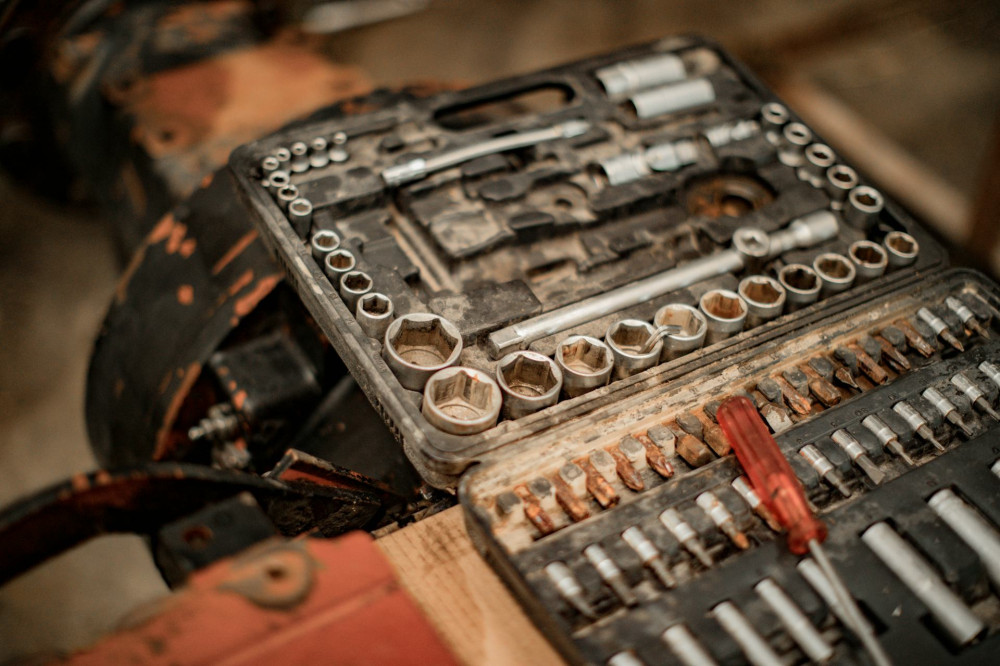
A good set of tools is an investment — in the quality of your work and in the satisfaction of getting the job done right. But even the best tools will wear out if they’re not properly cared for. With a little regular maintenance, you can dramatically extend their lifespan and avoid costly replacements. Here’s a practical guide to keeping your tools and equipment in top shape — whether you’re a weekend DIYer or a professional tradesperson.
Cleaning – the First and Most Important Routine
After every project, take a few minutes to clean your tools. Dust, grease, paint, and moisture can quickly build up and cause rust or reduced performance.
- Wipe tools down with a dry or slightly damp cloth to remove dirt and residue.
- Use a brush to clean saw teeth, drill bits, and files where debris tends to stick.
- Avoid water on power tools — instead, use compressed air or a dry microfiber cloth.
A clean surface makes it easier to spot early signs of wear or damage before they become serious problems.
Lubrication and Rust Protection
Metal tools benefit from a thin layer of oil that protects against moisture and corrosion. Use a light machine oil or a tool-specific lubricant, and apply it with a cloth. This is especially important for:
- Steel hand tools such as pliers, wrenches, and saws.
- Moving parts, including hinges, screw mechanisms, and adjustment knobs.
- Power tools, where gears and bearings need lubrication according to the manufacturer’s instructions.
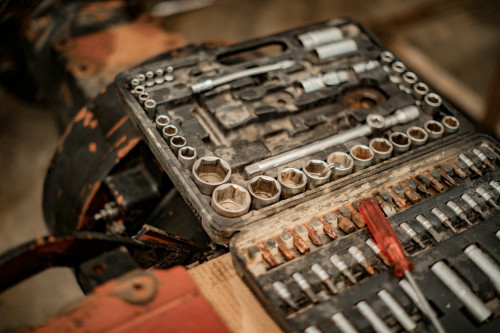
Store your tools in a dry place, ideally in a closed toolbox or cabinet. Silica gel packs or moisture absorbers can help keep humidity under control — especially in garages or basements.
Sharp Tools Work Better — and Last Longer
A dull tool requires more force, produces poorer results, and wears out faster. Keep your tools sharp by regularly maintaining:
- Knives and chisels – use a sharpening stone or guided sharpening system.
- Saw blades and drill bits – replace or have them professionally sharpened when they lose their edge.
- Garden tools like shovels and hedge trimmers – a sharp blade makes work easier and more precise.
Always follow the manufacturer’s recommendations for sharpening angles and techniques — improper sharpening can shorten a tool’s life.
Læs også:

Power Tools and Batteries Need Special Care
Modern power tools often rely on lithium-ion batteries, which require proper handling to last.
- Charge batteries regularly, but don’t leave them in the charger for days at a time.
- Store batteries in a dry, room-temperature environment — extreme cold or heat shortens their lifespan.
- Clean air vents on power tools to prevent overheating and motor damage.
Inspect cords and plugs for wear or cracks. A small repair made early can prevent bigger issues later — and improve safety.
Storage – Organization Extends Lifespan
A cluttered workshop isn’t just inconvenient; it’s hard on your tools. When tools are piled together, they can get scratched, bent, or damaged.
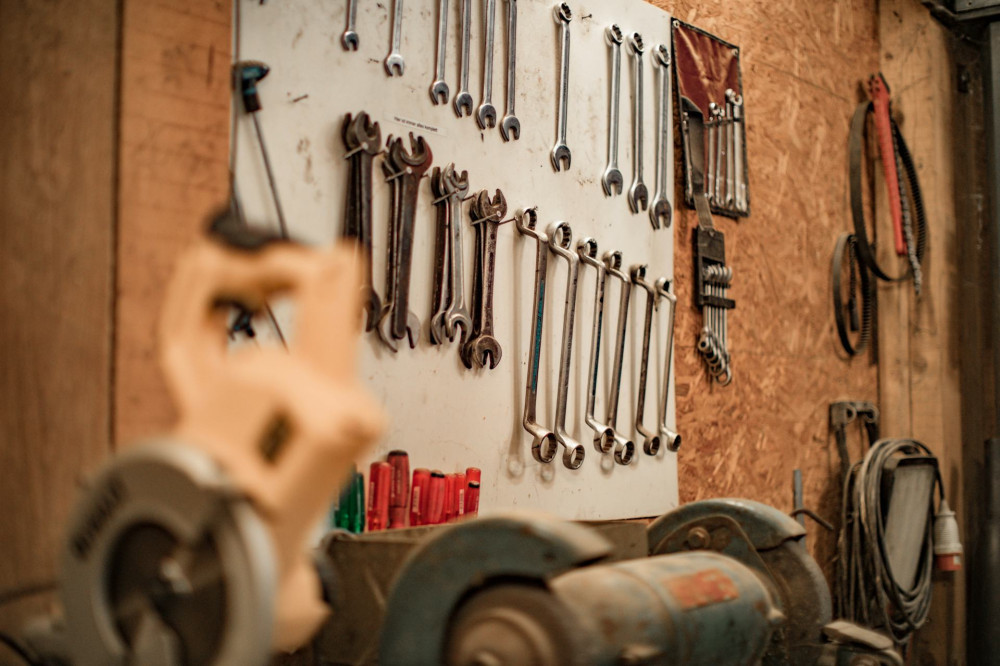
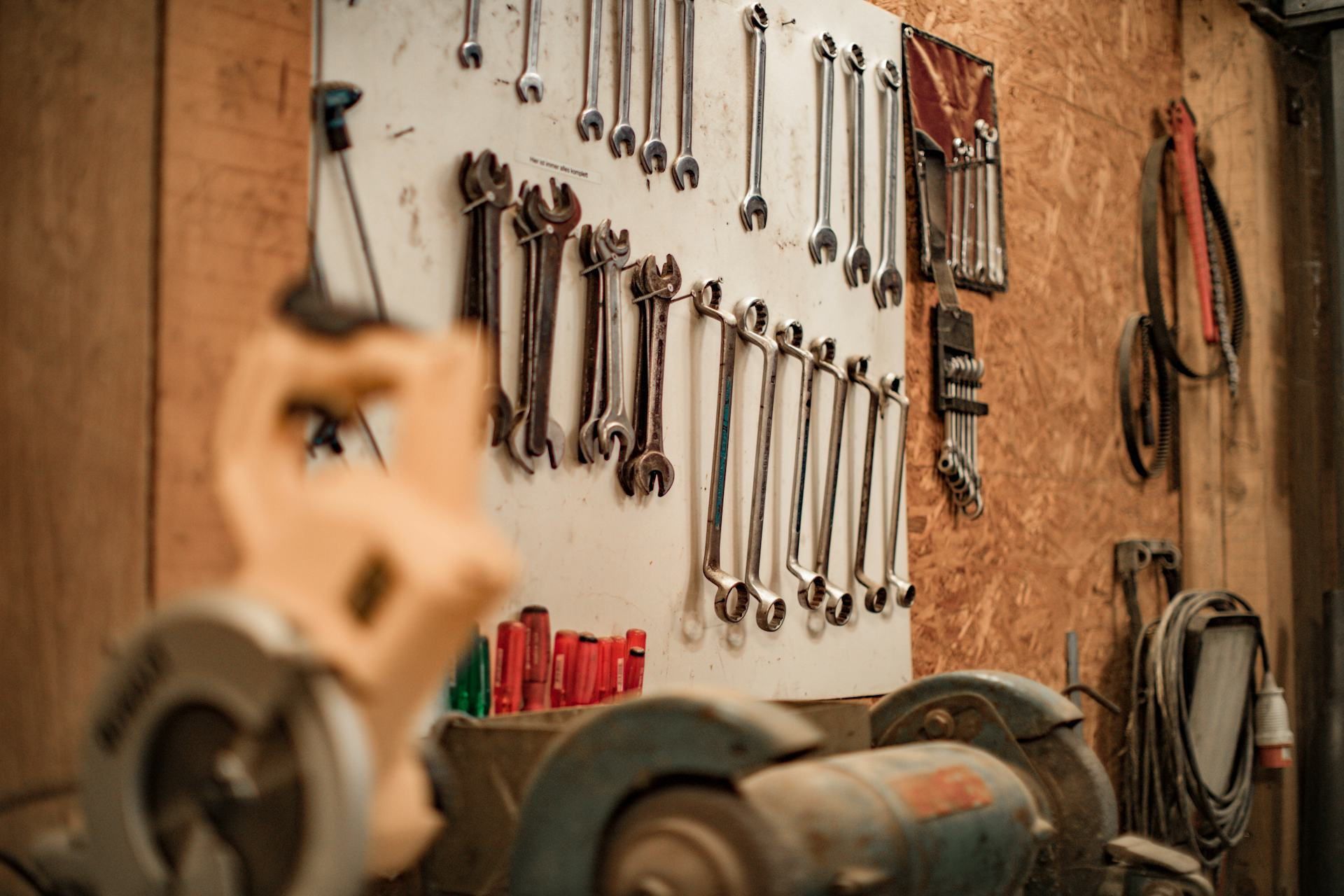
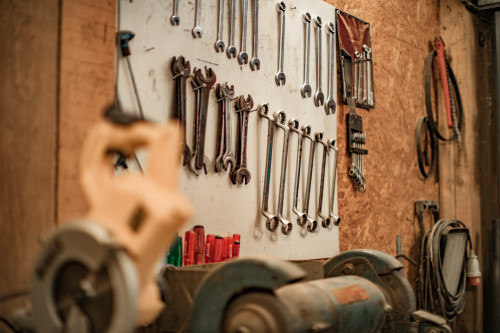
- Use pegboards, drawers, or toolboxes to keep everything organized.
- Group tools by type or use, so you can quickly find what you need.
- Keep out moisture and dust, especially if your workspace isn’t climate-controlled.
An organized system helps you see what you have, what needs maintenance, and what might need replacing.
Regular Inspection and Maintenance Schedule
Set up a routine to inspect your tools — once a month or after major projects. Look for:
- Loose screws, worn handles, or cracks.
- Rust spots or discoloration.
- Stiff or uneven movement in moving parts.
Catching small issues early prevents them from turning into major repairs or replacements.
An Investment That Pays Off
Proper maintenance isn’t just about saving money — it’s about safety and satisfaction. Well-maintained tools perform better, feel better in your hands, and reduce the risk of accidents. With a little care and consistent habits, your tools can last for many years — and maybe even be passed down to the next generation of builders and makers.
Læs også: