Small Repairs, Big Difference: How to Extend Your Floor’s Lifespan

Small Repairs, Big Difference: How to Extend Your Floor’s Lifespan
A well-kept floor can completely transform the look and feel of your home. But even the most durable floors show signs of wear over time—especially in high-traffic areas like entryways, kitchens, and living rooms. The good news? You don’t need to replace your entire floor when it starts to look tired. With a few small repairs and consistent maintenance, you can extend your floor’s lifespan and keep it looking beautiful for years to come. Here’s how to care for your floors—whether they’re hardwood, laminate, or vinyl.
Know Your Floor – and What It Needs
Before you start any repairs, it’s important to understand what type of flooring you have. Each material has its own strengths, weaknesses, and maintenance needs.
- Solid hardwood can be sanded and refinished multiple times, making it easy to refresh when it starts to dull or scratch.
- Laminate flooring can’t be sanded, but minor scratches can often be fixed with a repair kit or color-matching filler.
- Vinyl flooring is durable and water-resistant, but dents or tears may require adhesive repair or replacing individual planks.
Knowing your floor’s material helps you choose the right repair method and avoid causing more damage.
Small Damage, Quick Fixes
Most floor problems start small—a scratch from a chair leg, a water stain from a spill, or a loose board that creaks when you walk over it. Addressing these issues early prevents them from turning into bigger, more expensive problems.
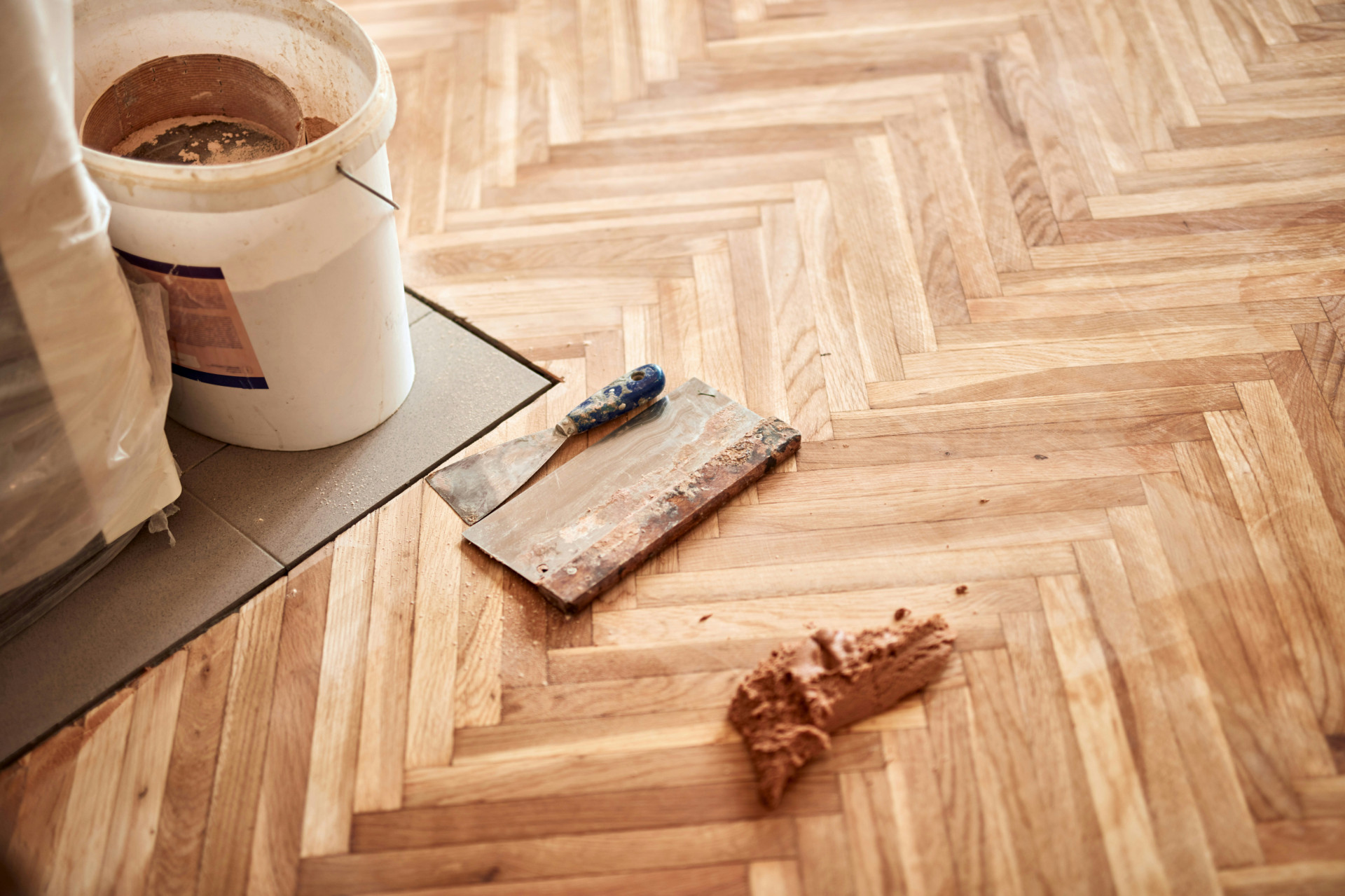
- Scratches on hardwood: Use a wax repair stick or wood filler that matches your floor’s color. Rub it into the scratch, then buff gently with a soft cloth.
- Stains: Wipe spills immediately with a damp cloth. Avoid harsh cleaners that can strip the finish or discolor the surface.
- Loose boards or squeaks: These often happen as floors expand and contract. Try tightening the board from below or applying a wood adhesive designed for flooring.
Most of these fixes take just a few minutes but can save you hundreds of dollars in the long run.
Prevent Wear with Smart Habits
The best way to extend your floor’s life is to prevent damage before it happens. A few simple habits can make a big difference:
- Add felt pads under furniture legs to prevent scratches when moving chairs or tables.
- Use doormats at every entrance to trap dirt, sand, and moisture before they reach your floors.
- Clean up spills right away, especially on wood floors that can warp or stain from moisture.
- Vacuum or sweep regularly using a soft-bristle attachment to remove grit that can act like sandpaper.
By combining prevention with regular cleaning, you’ll keep your floors looking fresh and strong for years.
Refresh the Finish
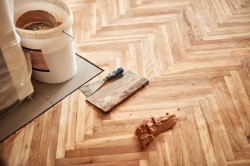
Even with great care, floors eventually lose their shine. A new finish can bring them back to life. For hardwood floors, you can choose between oil, polyurethane, or wax finishes—each offering a different look and level of protection.
- Oil finishes highlight the natural grain and warmth of the wood but need periodic reapplication.
- Polyurethane finishes create a tough, glossy surface that’s easy to clean and ideal for busy households.
- Wax finishes give a soft, low-sheen look and can be buffed to restore luster.
Before refinishing, lightly sand and thoroughly clean the surface. Always follow the manufacturer’s directions for the best results.
When Replacement Is the Only Option
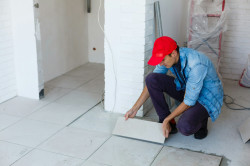
Even the best-maintained floors eventually reach a point where repairs aren’t enough. If boards are warped, deeply gouged, or the finish is completely worn through, it may be time to replace part—or all—of the floor. However, many modern flooring systems use click-lock planks, allowing you to replace only the damaged sections without tearing up the entire floor.
Læs også:

A Floor That Lasts – and Tells a Story
Your floor is more than just a surface to walk on—it’s part of your home’s story, reflecting years of family life, gatherings, and everyday moments. By taking the time to make small repairs and maintain it regularly, you preserve both its beauty and its character. It doesn’t take a big investment—just a little care and attention. And those small efforts truly make a big difference.
Læs også: