Wood Flooring in Multiple Rooms – How to Create a Seamless Transition

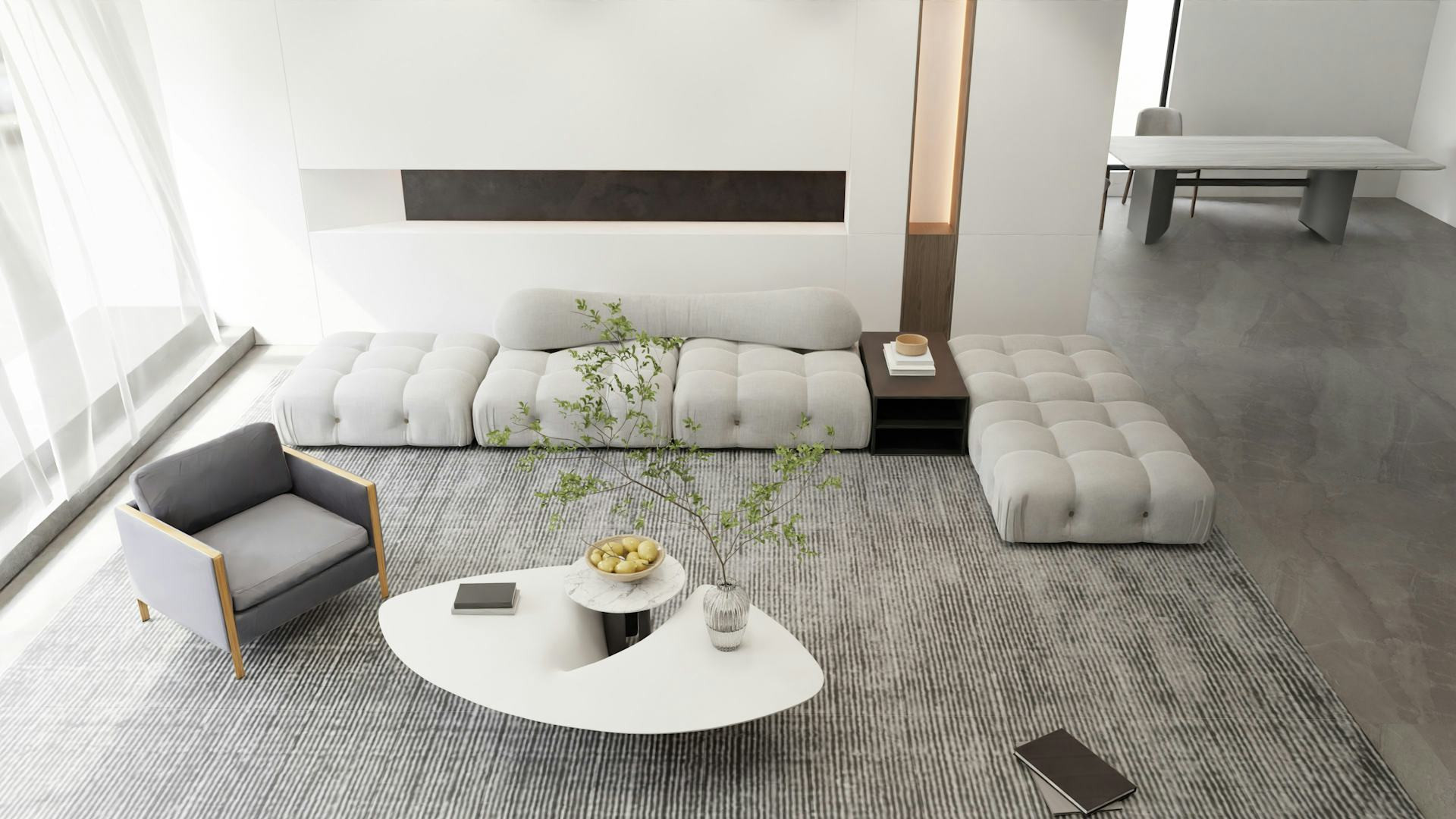
Wood Flooring in Multiple Rooms – How to Create a Seamless Transition
Wood flooring brings warmth, character, and timeless beauty to a home. But when you’re installing it across multiple rooms, the challenge is to create a smooth, cohesive flow—without making the design feel flat or repetitive. Here’s a guide to planning, selecting, and installing wood flooring throughout your home so that the result feels both elegant and practical.
Plan the Whole Space from the Start
When you’re laying wood flooring in several rooms, think of your home as one connected space. Consider how the rooms relate to each other—visually, functionally, and in terms of light and traffic flow. A consistent floor can make your home feel larger and more unified, while subtle variations can help define different zones.
Start by deciding on:
- Board direction – Should the planks follow the natural light, the length of the room, or create a visual link between spaces?
- Color tone – Do you want a uniform look, or slight variations between, say, the living room and kitchen?
- Finish – Matte, satin, or glossy? Think about durability and maintenance based on how each room is used.
Making these decisions early helps you avoid awkward transitions later.
Continuous Flooring or Defined Transitions?
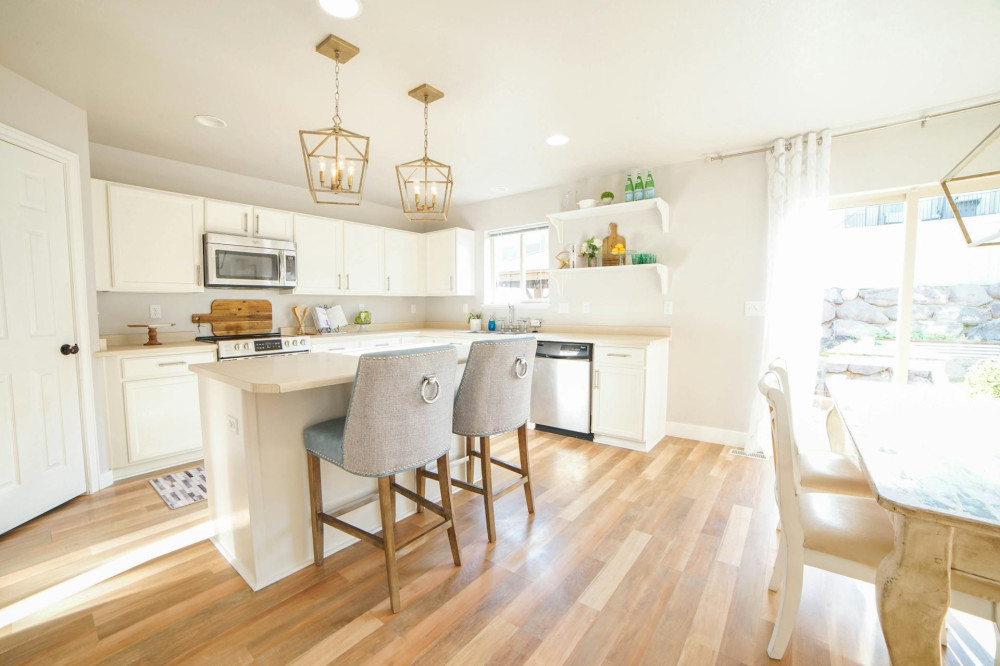
A continuous wood floor without thresholds gives a modern, open look. However, it requires a level subfloor and a flooring type that can handle different conditions—especially in areas like kitchens or entryways where moisture and wear are higher.
In some cases, it’s better to mark the transition between rooms. You can do this with a metal, wood, or rubber transition strip, or by changing the direction of the planks. This can add character and serve a practical purpose if the rooms have different functions or floor heights.
A balanced approach is to use the same wood species throughout but vary the finish slightly—for example, a matte oak in the living room and a satin finish in the kitchen.
Moisture and Temperature – Don’t Skip the Technical Details
Wood naturally expands and contracts with changes in humidity and temperature. When installing it across multiple rooms, it’s important to allow for this movement.
- Leave expansion gaps along walls and fixed structures.
- Avoid installing solid wood flooring in high-moisture areas like bathrooms.
- If you have radiant floor heating, choose engineered wood designed for that purpose—it’s more stable than solid hardwood.
By accounting for these factors, you’ll ensure your floors stay beautiful and stable for years to come.
Læs også:

Transitions at Doorways
Doorways are often where flooring transitions are most noticeable. You have several options:
- No threshold – Creates a clean, modern look but requires precise installation and a perfectly level subfloor.
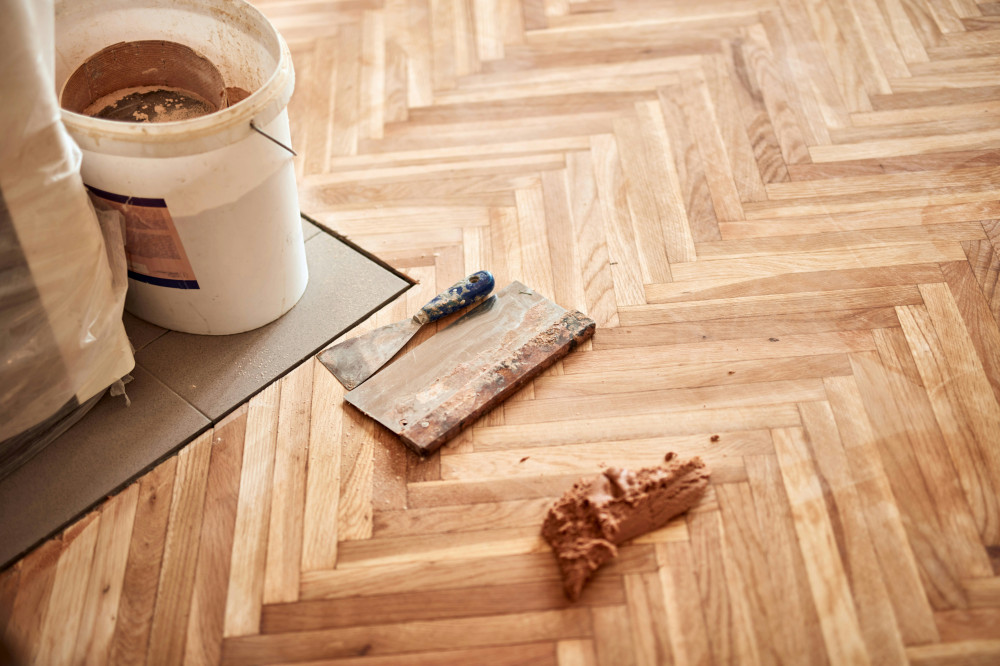
- Transition molding – Useful if there’s a height difference or if you’re joining two different flooring materials.
- Contrasting strip – A darker or lighter strip can serve as a design accent while marking the change between rooms.
Also consider how doors swing and how natural light falls—both can affect how the transition appears.
Maintenance and Longevity
Installing wood flooring in multiple rooms is an investment in both style and comfort. To keep it looking cohesive and fresh, regular maintenance is key.
- Sweep or vacuum frequently to remove grit.
- Use cleaning products made specifically for wood floors.
- Add felt pads under furniture legs to prevent scratches.
- Refinish or re-oil the surface as needed to restore its luster.
A well-maintained floor develops a rich patina over time, enhancing the sense of continuity throughout your home.
Tie It All Together with Lighting and Decor
Even the most beautiful flooring shines brightest when it complements the rest of your interior. Use lighting, textiles, and color to highlight the warmth and texture of the wood. Repeat materials and tones across rooms—in furniture, trim, or door frames—to strengthen the sense of flow.
A harmonious home isn’t just about materials—it’s about how everything connects. When your wood flooring links the rooms together, it becomes the foundation for a space that feels both natural and thoughtfully designed.
Læs også: