From Cold, Damp Basement to Functional Space: Insulation Makes the Difference

From Cold, Damp Basement to Functional Space: Insulation Makes the Difference
A basement doesn’t have to be a dark, chilly storage area. With the right insulation, it can become a comfortable, usable part of your home — an extra living space that adds both comfort and value. But how do you get there, and what should you consider before starting? Here’s a guide to how proper insulation can make all the difference.
From Moisture and Cold to Comfort and Usability
Many older American homes have basements that were never designed for living space. They were meant for storage or utilities, which often means cold concrete walls, musty smells, and damp corners. The main culprits are poor or missing insulation and inadequate ventilation.
Once the basement is properly insulated, everything changes. The temperature becomes more stable, moisture is kept under control, and the space can be transformed into anything from a home office or gym to a guest suite or playroom. Proper insulation also helps prevent mold growth and reduces energy loss, keeping your heating and cooling bills in check.
Start by Understanding the Basement’s Challenges
Before you begin, it’s essential to assess the condition of your basement. Look for signs of moisture, cracks, or efflorescence (white, powdery deposits on the walls). These issues must be addressed before adding insulation — otherwise, you risk trapping moisture and making the problem worse.
A professional inspection or moisture test can help identify problem areas. You may need to improve exterior drainage, repair foundation cracks, or install a sump pump or dehumidifier before moving forward with insulation.
Læs også:

Choosing the Right Insulation Method
There are several ways to insulate a basement, and the best approach depends on how you plan to use the space.
- Exterior insulation is the most effective method because it keeps the foundation walls warm and dry from the outside. However, it requires excavation around the house, which can be costly and labor-intensive.
- Interior insulation is more common and easier to install, but it must be done carefully to avoid trapping moisture. Rigid foam boards or spray foam are often used because they resist water and provide excellent thermal performance.
- Floor insulation can make a big difference in comfort, especially if you plan to use the basement as living space. Insulating under a subfloor or using insulated panels helps keep the floor warm and dry.
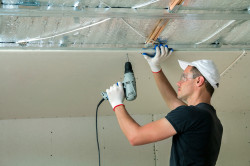
- Ceiling insulation is a good option if you’re keeping the basement as storage but want to prevent heat loss from the upper floors.
Materials That Work in a Basement Environment
Basements are unique environments that require moisture-resistant materials. Some of the most effective options include:
- Rigid foam insulation (XPS or closed-cell spray foam) – resists moisture and provides a high R-value per inch.
- Mineral wool – offers good insulation and soundproofing, but must be paired with a proper vapor barrier.
- Insulated wall panels – pre-fabricated systems designed specifically for basements, combining insulation and moisture control.
Avoid using fiberglass batts directly against basement walls, as they can trap moisture and lead to mold growth.
Don’t Forget Ventilation
Even the best insulation won’t solve everything if the air can’t circulate properly. Good ventilation is key to keeping humidity under control and maintaining healthy indoor air quality. Consider installing a mechanical ventilation system or a dehumidifier with a built-in humidity sensor. In finished basements, an HVAC extension or energy recovery ventilator (ERV) can help maintain balanced airflow without wasting energy.
Cost and Energy Savings
Basement insulation is an investment that pays off over time. You’ll enjoy lower energy bills, a healthier indoor environment, and increased home value. In many states, energy efficiency programs or federal tax credits can help offset the cost of insulation upgrades. Check with your local utility company or visit the Department of Energy’s website to explore available incentives.
A Space Full of Possibilities
Once your basement is dry, insulated, and comfortable, the possibilities are endless. It can become a home theater, a guest suite, a workshop, or a cozy family room. The key is creating a space that feels inviting — and that starts with proper insulation.
Transforming a cold, damp basement into a functional living area takes planning and care, but the results are worth it. Insulation doesn’t just make a difference — it lays the foundation for a healthier, more comfortable home.
Læs også: