Sleep Better: Create an Energy-Efficient and Comfortable Sleep Environment with Simple Steps

Simple adjustments for a cooler, quieter, and more energy-efficient night’s sleep
Insulation
Insulation
6 min
Discover how small changes in temperature, air quality, lighting, and materials can transform your bedroom into a restful and energy-saving retreat. Learn practical tips to sleep better while reducing your energy use and improving your well-being.
Ariana Bradley
Ariana
Bradley

Sleep Better: Create an Energy-Efficient and Comfortable Sleep Environment with Simple Steps

Simple adjustments for a cooler, quieter, and more energy-efficient night’s sleep
Insulation
Insulation
6 min
Discover how small changes in temperature, air quality, lighting, and materials can transform your bedroom into a restful and energy-saving retreat. Learn practical tips to sleep better while reducing your energy use and improving your well-being.
Ariana Bradley
Ariana
Bradley

A good night’s sleep isn’t just about a cozy bed and a dark room. The temperature, air quality, and energy use in your bedroom all play a big role in how well you rest—and how much you spend on your utility bills. The good news is that small changes in your setup and habits can make a big difference. Here’s how to create a sleep environment that’s both comfortable and energy-efficient.

The Right Temperature – Not Too Hot, Not Too Cold

Your body sleeps best when the room temperature is between 60 and 67°F. If it’s too warm, you may toss and turn; too cold, and your body tenses up.

  • Turn down the thermostat at night. It saves energy and helps your body wind down naturally.
  • Use bedding suited to the season. A lightweight comforter in summer and a heavier one in winter help maintain a steady temperature without adjusting the heat or AC.
  • Seal drafts around windows and doors. Weatherstripping or caulking can prevent cold air leaks and reduce energy loss.

Fresh Air – But Use It Wisely

Good air quality is essential for restful sleep, but you don’t want to waste heating or cooling energy.

  • Air out your bedroom briefly. Open windows wide for 5–10 minutes in the morning or evening instead of leaving them cracked all night.
  • Consider an energy recovery ventilator (ERV). It brings in fresh air while retaining most of the heat or coolness—an investment that benefits both your sleep and your energy bill.
  • Watch humidity levels. Condensation on windows or a musty smell can signal excess moisture. A dehumidifier or better ventilation can help.

Darkness and Quiet – Natural Sleep Boosters

Light and noise can disrupt sleep more than you might think. Even small amounts of light can interfere with melatonin production.

  • Install blackout curtains. They block outside light and help insulate windows, keeping your room darker and more energy-efficient.
  • Choose quiet appliances. Avoid electronics with fan noise or glowing standby lights in the bedroom.
  • Add soft furnishings. Rugs, curtains, and upholstered furniture can absorb sound and create a calmer atmosphere.

Energy-Smart Lighting and Electronics

Even small devices can affect both your energy use and your sleep quality.

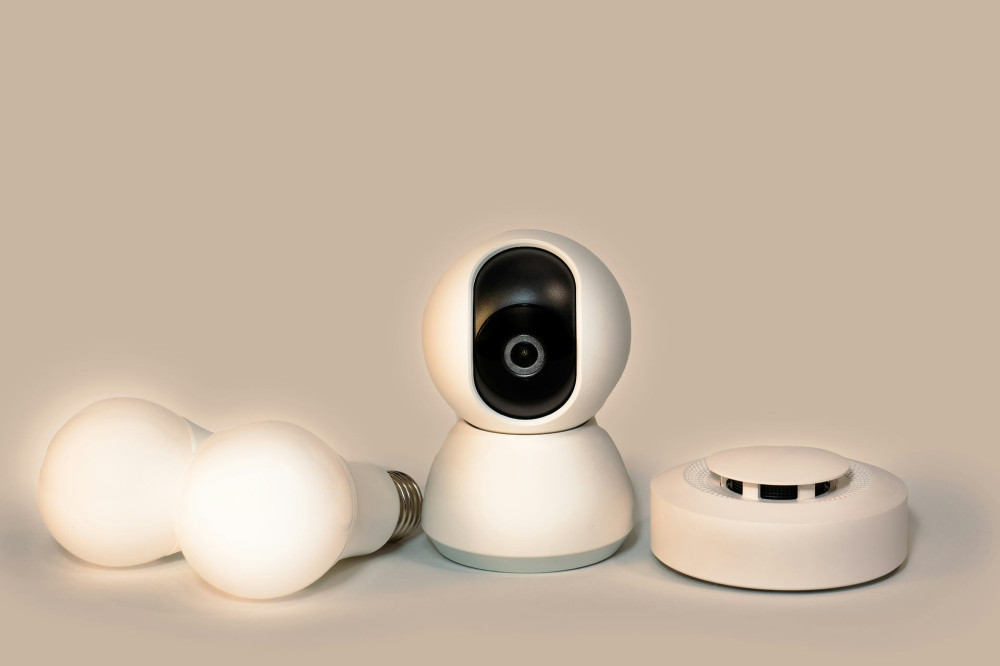
  • Switch to LED bulbs. They use up to 80% less energy than incandescent bulbs and emit less heat.
  • Unplug electronics completely. Chargers, TVs, and lamps in standby mode still draw power and can emit light that disturbs sleep.
  • Use warm-toned lighting in the evening. Light with less blue content signals your body that it’s time to relax.

Materials That Let Your Body Breathe

The fabrics and furnishings in your bedroom influence comfort and indoor air quality.

  • Choose natural materials. Cotton, wool, and linen wick away moisture and regulate temperature better than synthetics.
  • Keep the room uncluttered. Too many items can trap dust and make the air feel heavy.
  • Opt for hypoallergenic materials. They reduce irritation and improve air quality, especially for allergy sufferers.

Small Habits, Big Impact

An energy-efficient sleep environment isn’t just about technology—it’s also about daily routines.

  • Air out your bedding each morning to let moisture evaporate.
  • Turn off heating or cooling when the room isn’t in use.
  • Wash sheets in cold water and line-dry them when possible to save energy.

These small steps can add up to better sleep and lower energy costs.

A Healthy Sleep Space Is an Investment in Well-Being

Creating a bedroom that’s both comfortable and energy-efficient is an investment in your health and your home. It doesn’t require major renovations—just attention to temperature, air, light, and materials. The result is a space where you sleep more soundly, wake up refreshed, and use less energy every night.

How to choose the right type of home for your family
Are you considering changing your home type? This e-book examines the advantages and disadvantages of different types of housing, from townhouses to apartments, so that you can more easily find the type of housing that suits your familys needs and lifestyle.
Download e-book
Sleep Better: Create an Energy-Efficient and Comfortable Sleep Environment with Simple Steps
Simple adjustments for a cooler, quieter, and more energy-efficient night’s sleep
Insulation
Insulation
Sleep
Energy Efficiency
Home Improvement
Wellness
Bedroom Tips
6 min
Discover how small changes in temperature, air quality, lighting, and materials can transform your bedroom into a restful and energy-saving retreat. Learn practical tips to sleep better while reducing your energy use and improving your well-being.
Ariana Bradley
Ariana
Bradley
Insulate the Attic Knee Wall Without Removing All the Siding
Boost your home’s comfort and efficiency by upgrading attic knee wall insulation the smart way
Insulation
Insulation
Home Improvement
Insulation
Energy Efficiency
DIY
Attic Renovation
6 min
Learn how to insulate your attic knee wall without the hassle of removing all the siding. This step-by-step guide explains practical methods, moisture control tips, and energy-saving benefits to help you make your home warmer and more efficient.
Piper Foster
Piper
Foster
Insulate from the Inside – and Keep the Room Spacious
Smart solutions for warmer rooms without losing valuable space
Insulation
Insulation
Home Improvement
Interior Insulation
Energy Efficiency
Renovation
Sustainable Living
3 min
Learn how to insulate your home from the inside when exterior changes aren’t an option. Discover practical tips for choosing materials, preventing moisture, and keeping your rooms bright and spacious—all while improving comfort and energy efficiency.
Lucas Young
Lucas
Young
From Cold, Damp Basement to Functional Space: Insulation Makes the Difference
Turn your basement into a warm, inviting, and practical part of your home
Insulation
Insulation
Basement Renovation
Home Improvement
Insulation
Energy Efficiency
Interior Design
5 min
Discover how proper insulation can transform a cold, damp basement into a comfortable and energy-efficient living space. Learn what to consider before starting, which materials to choose, and how to create a healthy indoor environment that adds both comfort and value to your home.
Jack Brooks
Jack
Brooks
Small Changes, Less Heat Loss – How to Improve Your Home’s Energy Efficiency Day to Day
Simple everyday habits that keep your home warmer and your energy bills lower
Insulation
Insulation
Energy Efficiency
Home Improvement
Sustainability
Heating
Saving Money
2 min
Discover how small, practical changes can make a big difference in your home’s energy efficiency. From sealing drafts to using heat wisely, learn easy ways to stay comfortable while saving money and reducing waste.
Amelia Ortiz
Amelia
Ortiz
When Technology Meets Aesthetics: The Changing Modern Home Style
Discover how technology and design merge to redefine the modern living space
Trends
Trends
Smart Home
Interior Design
Modern Living
Home Technology
Sustainable Design
3 min
From smart lighting to sustainable materials, technology is reshaping the way we live and decorate. Explore how innovation and aesthetics come together to create homes that are both functional and beautiful.
Ariana Bradley
Ariana
Bradley
Mindful Decorating with Plants – Create Calm and Presence in Your Home
Bring harmony and mindfulness into your home with the natural beauty of plants
Trends
Trends
Mindful Living
Home Decor
Indoor Plants
Wellness
Interior Design
7 min
Discover how thoughtful plant placement and care can transform your home into a peaceful retreat. Learn how to decorate mindfully with greenery to create balance, presence, and a deeper connection to nature.
Piper Foster
Piper
Foster
Transform Your Space with Simple Renovation Ideas
Refresh your home with easy updates that make a big difference
Trends
Trends
Home Renovation
Interior Design
DIY
Home Improvement
Decorating Ideas
3 min
Discover how small, budget-friendly renovation ideas can completely transform your home. From color and lighting to surfaces and details, learn simple ways to create a space that feels new, functional, and uniquely yours.
Lucas Young
Lucas
Young
How to Create a Functional Home After the Kids Have Moved Out
Redefine your living space and make your home truly yours again
Trends
Trends
Home Design
Empty Nest
Interior Inspiration
Decluttering
Lifestyle
5 min
When the kids have moved out, your home enters a new phase—full of space, opportunity, and potential. Discover how to transform empty rooms, declutter with purpose, and design a flexible, comfortable home that reflects your lifestyle today.
Jack Brooks
Jack
Brooks