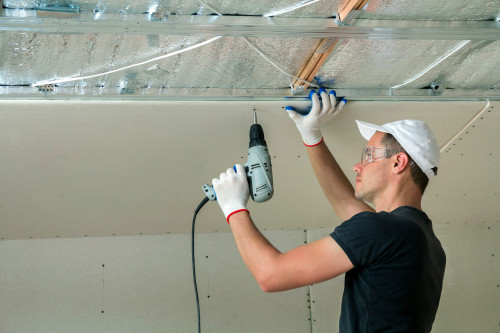
Insulate from the Inside – and Keep the Room Spacious

Smart solutions for warmer rooms without losing valuable space
Insulation
Insulation
3 min
Learn how to insulate your home from the inside when exterior changes aren’t an option. Discover practical tips for choosing materials, preventing moisture, and keeping your rooms bright and spacious—all while improving comfort and energy efficiency.
Lucas Young
Lucas
Young

Insulate from the Inside – and Keep the Room Spacious

Smart solutions for warmer rooms without losing valuable space
Insulation
Insulation
3 min
Learn how to insulate your home from the inside when exterior changes aren’t an option. Discover practical tips for choosing materials, preventing moisture, and keeping your rooms bright and spacious—all while improving comfort and energy efficiency.
Lucas Young
Lucas
Young

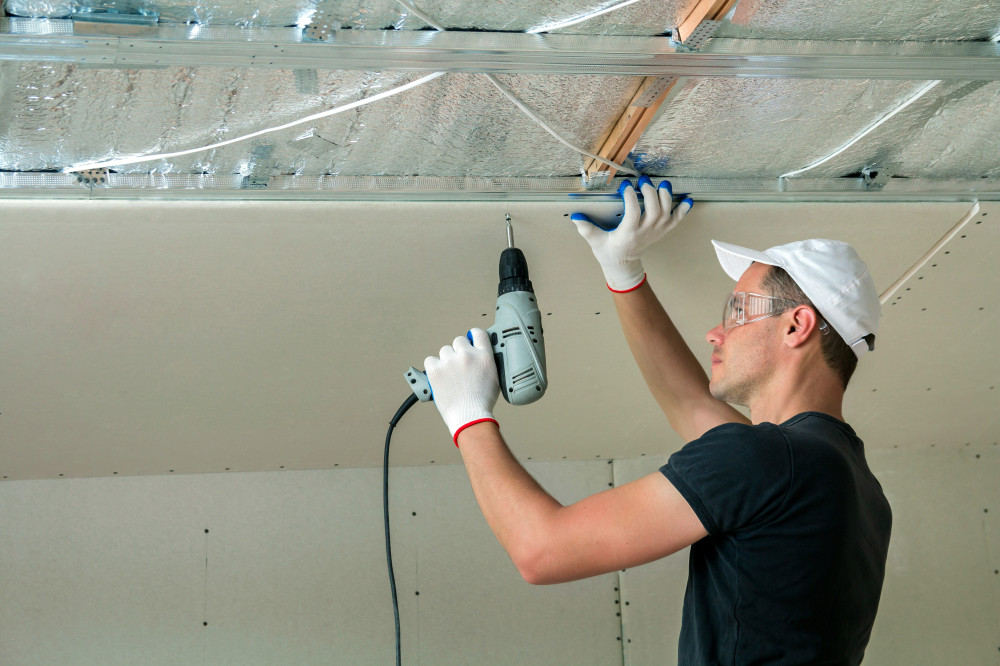
When winter drafts sneak in and heating bills climb, adding insulation can seem like the obvious fix. But what if you can’t insulate from the outside—perhaps because you live in a condo, your home’s exterior is protected by local preservation rules, or you simply don’t want to alter the façade? Interior insulation can be a smart alternative, but it requires careful planning. How do you keep the room feeling open, avoid moisture issues, and maintain a healthy indoor climate? Here’s a guide to insulating from the inside—effectively and without sacrificing space.

When Does Interior Insulation Make Sense?

Interior insulation is most useful when exterior insulation isn’t an option. Common situations include:

  • Historic or landmark homes, where the exterior appearance must remain unchanged.
  • Apartments or condos, where you only control the inside of the exterior wall.
  • Houses with limited lot space, where there’s no room to add insulation on the outside.

It can also be a practical short-term solution if you want to improve comfort in specific rooms without undertaking a full renovation.

Choosing the Right Type of Insulation

The key to successful interior insulation is selecting materials that handle moisture and temperature changes well. Some of the most effective options include:

  • Rigid foam boards (polyisocyanurate or extruded polystyrene) – high insulation value per inch and easy to install, but must be sealed carefully to prevent air leaks.
  • Mineral wool with a vapor barrier – excellent fire resistance and soundproofing, but requires precise installation to avoid condensation.
  • Vacuum insulation panels (VIPs) – extremely thin and efficient, ideal where every inch counts, though they’re costly and best installed by professionals.
  • Insulating plaster or aerogel panels – thin, breathable solutions for older walls that need to “breathe.”

Your choice depends on the building’s age, wall type, and budget. Consulting an energy auditor or building professional can help you find the best match.

Preventing Moisture and Mold

Moisture is the biggest challenge with interior insulation. When the wall’s outer layer becomes colder, condensation can form inside the structure—leading to mold or damage. To prevent this:

  • Install a continuous vapor barrier if using traditional insulation materials.
  • Eliminate thermal bridges at corners, joints, and around windows.
  • Use breathable materials in older homes to allow moisture to escape.
  • Ensure adequate ventilation, either through regular airing or a mechanical system.

Catching moisture problems early is crucial, but preventing them from the start is even better.

Keeping the Room Spacious

One common concern with interior insulation is losing floor space. Fortunately, modern materials make it possible to insulate effectively without shrinking your room.

  • Thin, high-performance panels like aerogel or VIPs deliver strong insulation in minimal thickness.
  • Insulating plaster or paint can slightly improve comfort without changing the room’s proportions.
  • Consider insulating only the coldest exterior walls instead of every surface.

Even a thin layer of insulation can raise wall surface temperatures, making the room feel warmer and more comfortable.

Do It Right—or Get Professional Help

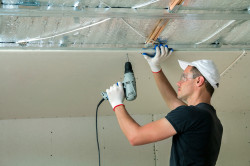
Interior insulation demands precision. Small mistakes can lead to big problems later. If you’re not experienced with construction or building science, it’s wise to get professional assistance—either for the full installation or for consultation and inspection.

A qualified contractor or energy consultant can:

  • Assess wall conditions and moisture levels.
  • Calculate the optimal insulation thickness.
  • Ensure proper placement of vapor barriers and seals.
  • Inspect the work before walls are closed up.

While professional help adds to the upfront cost, it often pays off through lower energy bills and fewer repairs down the road.

An Investment in Comfort and Sustainability

Insulating from the inside isn’t just about saving energy—it’s about creating a home that feels comfortable year-round. Warmer walls, fewer drafts, and a stable indoor temperature make a noticeable difference in comfort and health.

At the same time, you’ll reduce your home’s energy use and carbon footprint—without altering its exterior character. Done right, interior insulation is a solution that combines efficiency, comfort, and respect for your home’s design.

How to choose the right type of home for your family
Are you considering changing your home type? This e-book examines the advantages and disadvantages of different types of housing, from townhouses to apartments, so that you can more easily find the type of housing that suits your familys needs and lifestyle.
Download e-book
Sleep Better: Create an Energy-Efficient and Comfortable Sleep Environment with Simple Steps
Simple adjustments for a cooler, quieter, and more energy-efficient night’s sleep
Insulation
Insulation
Sleep
Energy Efficiency
Home Improvement
Wellness
Bedroom Tips
6 min
Discover how small changes in temperature, air quality, lighting, and materials can transform your bedroom into a restful and energy-saving retreat. Learn practical tips to sleep better while reducing your energy use and improving your well-being.
Ariana Bradley
Ariana
Bradley
Insulate the Attic Knee Wall Without Removing All the Siding
Boost your home’s comfort and efficiency by upgrading attic knee wall insulation the smart way
Insulation
Insulation
Home Improvement
Insulation
Energy Efficiency
DIY
Attic Renovation
6 min
Learn how to insulate your attic knee wall without the hassle of removing all the siding. This step-by-step guide explains practical methods, moisture control tips, and energy-saving benefits to help you make your home warmer and more efficient.
Piper Foster
Piper
Foster
Insulate from the Inside – and Keep the Room Spacious
Smart solutions for warmer rooms without losing valuable space
Insulation
Insulation
Home Improvement
Interior Insulation
Energy Efficiency
Renovation
Sustainable Living
3 min
Learn how to insulate your home from the inside when exterior changes aren’t an option. Discover practical tips for choosing materials, preventing moisture, and keeping your rooms bright and spacious—all while improving comfort and energy efficiency.
Lucas Young
Lucas
Young
From Cold, Damp Basement to Functional Space: Insulation Makes the Difference
Turn your basement into a warm, inviting, and practical part of your home
Insulation
Insulation
Basement Renovation
Home Improvement
Insulation
Energy Efficiency
Interior Design
5 min
Discover how proper insulation can transform a cold, damp basement into a comfortable and energy-efficient living space. Learn what to consider before starting, which materials to choose, and how to create a healthy indoor environment that adds both comfort and value to your home.
Jack Brooks
Jack
Brooks
Small Changes, Less Heat Loss – How to Improve Your Home’s Energy Efficiency Day to Day
Simple everyday habits that keep your home warmer and your energy bills lower
Insulation
Insulation
Energy Efficiency
Home Improvement
Sustainability
Heating
Saving Money
2 min
Discover how small, practical changes can make a big difference in your home’s energy efficiency. From sealing drafts to using heat wisely, learn easy ways to stay comfortable while saving money and reducing waste.
Amelia Ortiz
Amelia
Ortiz
When Technology Meets Aesthetics: The Changing Modern Home Style
Discover how technology and design merge to redefine the modern living space
Trends
Trends
Smart Home
Interior Design
Modern Living
Home Technology
Sustainable Design
3 min
From smart lighting to sustainable materials, technology is reshaping the way we live and decorate. Explore how innovation and aesthetics come together to create homes that are both functional and beautiful.
Ariana Bradley
Ariana
Bradley
Mindful Decorating with Plants – Create Calm and Presence in Your Home
Bring harmony and mindfulness into your home with the natural beauty of plants
Trends
Trends
Mindful Living
Home Decor
Indoor Plants
Wellness
Interior Design
7 min
Discover how thoughtful plant placement and care can transform your home into a peaceful retreat. Learn how to decorate mindfully with greenery to create balance, presence, and a deeper connection to nature.
Piper Foster
Piper
Foster
Transform Your Space with Simple Renovation Ideas
Refresh your home with easy updates that make a big difference
Trends
Trends
Home Renovation
Interior Design
DIY
Home Improvement
Decorating Ideas
3 min
Discover how small, budget-friendly renovation ideas can completely transform your home. From color and lighting to surfaces and details, learn simple ways to create a space that feels new, functional, and uniquely yours.
Lucas Young
Lucas
Young
How to Create a Functional Home After the Kids Have Moved Out
Redefine your living space and make your home truly yours again
Trends
Trends
Home Design
Empty Nest
Interior Inspiration
Decluttering
Lifestyle
5 min
When the kids have moved out, your home enters a new phase—full of space, opportunity, and potential. Discover how to transform empty rooms, declutter with purpose, and design a flexible, comfortable home that reflects your lifestyle today.
Jack Brooks
Jack
Brooks