Small Changes, Less Heat Loss – How to Improve Your Home’s Energy Efficiency Day to Day

Small Changes, Less Heat Loss – How to Improve Your Home’s Energy Efficiency Day to Day
When winter sets in and heating bills start to climb, it’s tempting to simply turn up the thermostat. But often, small everyday changes can make a big difference in both comfort and energy use. You don’t need a full home renovation or expensive upgrades to reduce heat loss—many improvements can be made with simple steps and a bit of attention. Here’s how you can make your home more energy efficient, one habit at a time.
Start by Finding Where the Heat Escapes
Before you can fix energy loss, it helps to know where it’s happening. The main culprits are usually:
- Drafty windows and doors – warm air leaks out, and cold air sneaks in.
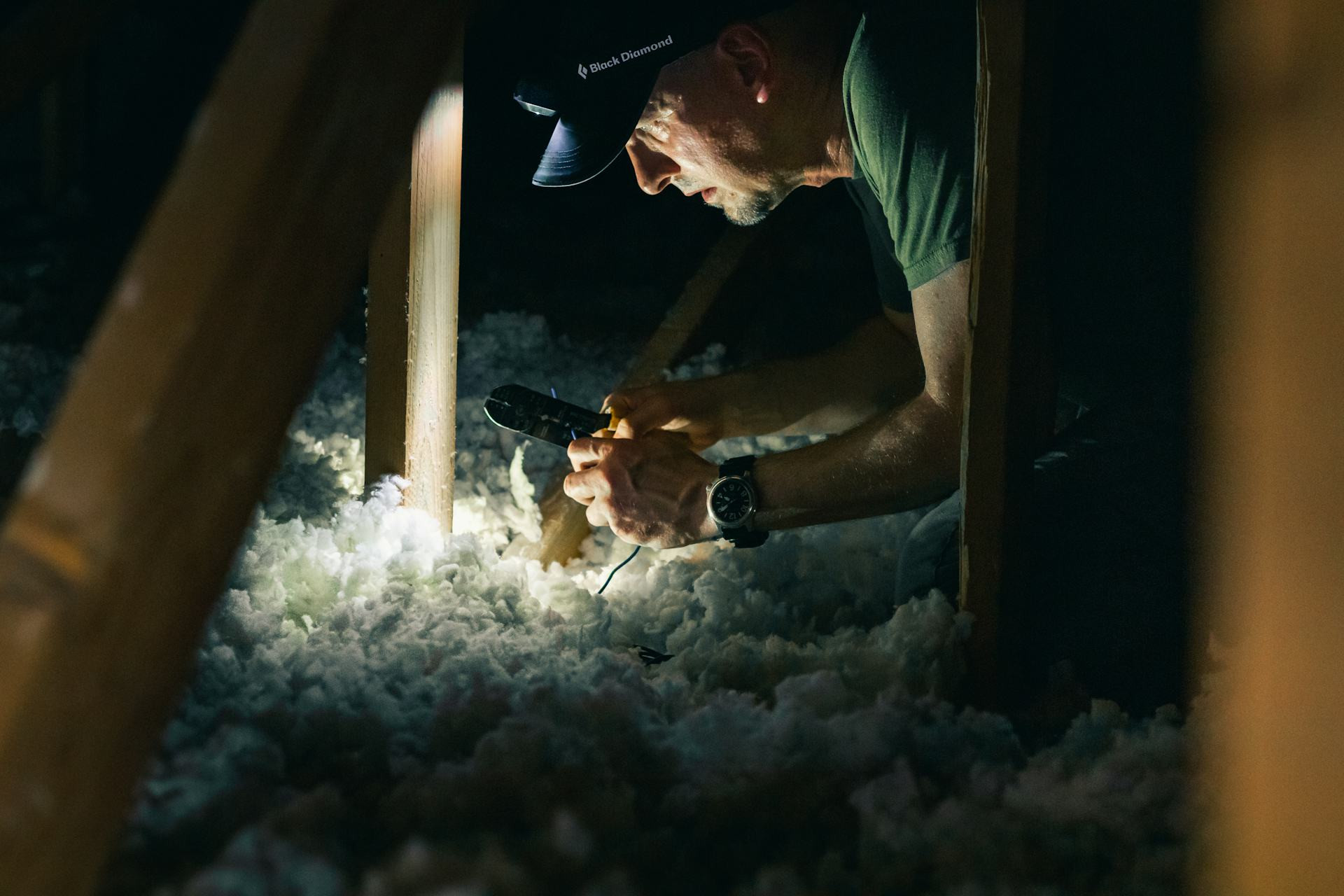
- Poor insulation – especially in attics, basements, and older walls.
- Thermal bridges – spots where heat travels through materials like metal or concrete.
A quick test is to walk around your home on a cold day and feel for drafts with your hand. You can also use a candle or incense stick—the flickering flame or drifting smoke will show where air is moving. For a more detailed assessment, consider a professional home energy audit. Many utility companies in the U.S. offer these services, using infrared cameras to pinpoint where your home is losing heat.
Læs også:


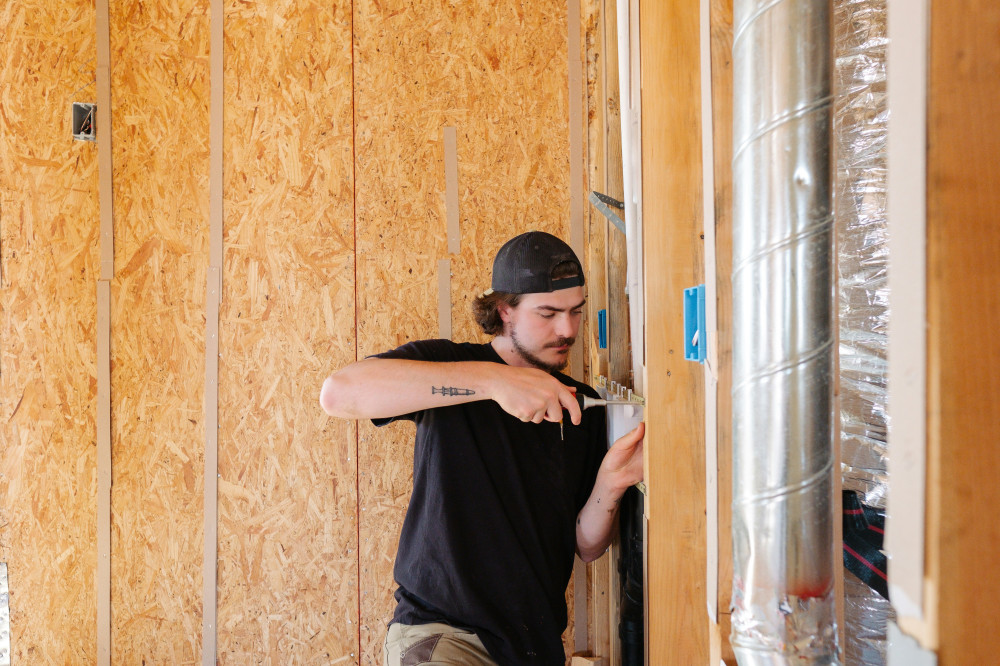
Seal and Insulate – Small Fixes, Big Savings
Even minor leaks can add up to major energy waste. Luckily, sealing and insulating are some of the easiest and most cost-effective improvements you can make:
- Weatherstripping around doors and windows can block drafts and save energy year-round.
- Pipe insulation on hot water lines and in unheated spaces helps prevent heat loss and protects against freezing.
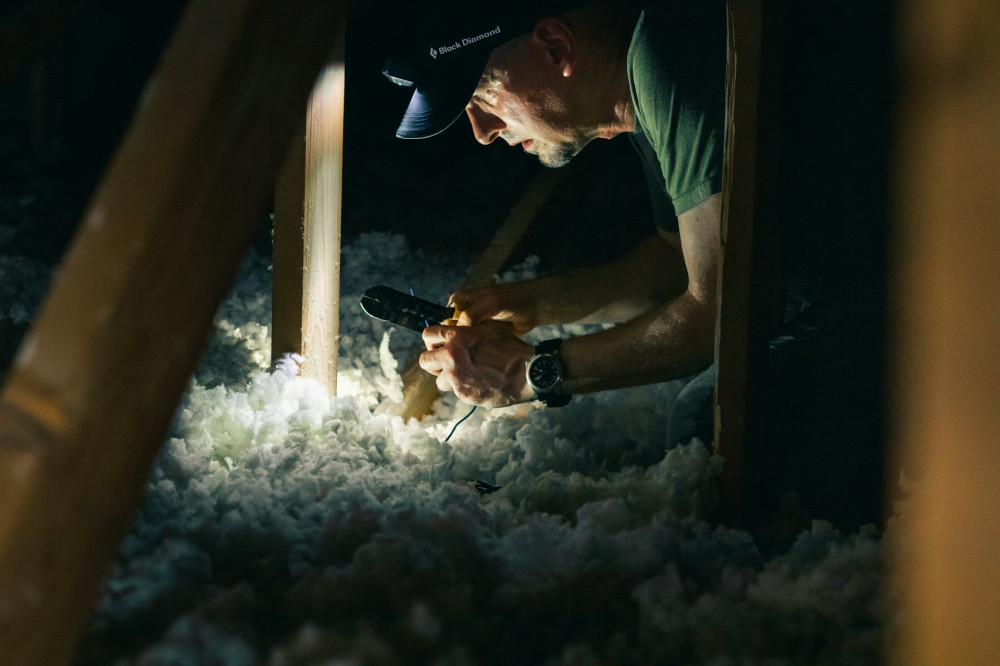
- Attic insulation is one of the best investments for reducing heat loss—since heat rises, a poorly insulated attic can be like leaving a window open.
If your home was built before the 1980s, it’s worth checking whether the wall insulation is still effective. Adding or upgrading insulation can often be done without major construction.
Use Heat More Wisely
Energy efficiency isn’t just about keeping heat in—it’s also about using it smartly. A few small changes in daily habits can make a noticeable difference:
- Lower the thermostat slightly—just one degree less can cut heating costs by around 5%.
- Close doors between heated and unheated areas to avoid warming unused spaces.
- Let the sun help—open curtains during the day to let sunlight in, and close them at night to keep warmth inside.
- Ventilate efficiently—briefly open windows wide for a few minutes instead of leaving them cracked all day. This refreshes the air without cooling the house too much.
A programmable or smart thermostat can also help maintain a steady temperature and reduce waste when you’re away or asleep.
Pay Attention to Appliances and Lighting
While heating often takes the biggest share of energy use, electricity matters too. Switching to LED bulbs can cut lighting energy use by up to 80%, and turning off lights when you leave a room adds up over time.
When buying new appliances, look for the ENERGY STAR® label—these models meet strict efficiency standards and can save hundreds of dollars over their lifetime. Also, unplug devices or use smart power strips to eliminate “phantom” energy use from electronics left on standby.
Make It a Team Effort
Energy efficiency works best when everyone in the household is involved. Talk about ways to save energy together—kids can help by remembering to turn off lights, and everyone can make it a habit to check that doors and windows are closed before bedtime.
Small behavioral changes quickly become good habits, and when everyone contributes, the results show up both on your utility bill and in your home’s comfort.
A Cozier Home Without Turning Up the Heat
Improving your home’s energy efficiency isn’t just about saving money—it’s about creating a healthier, more comfortable living space. When your home holds onto heat better, you’ll have fewer drafts, less condensation, and a warmer feel even at lower temperatures.
With a little planning and a few practical steps, you can enjoy both comfort and savings—no major renovations required. It’s the small changes that make the biggest difference.
Læs også: