Home IoT: Manage Resources Smarter and Save Energy

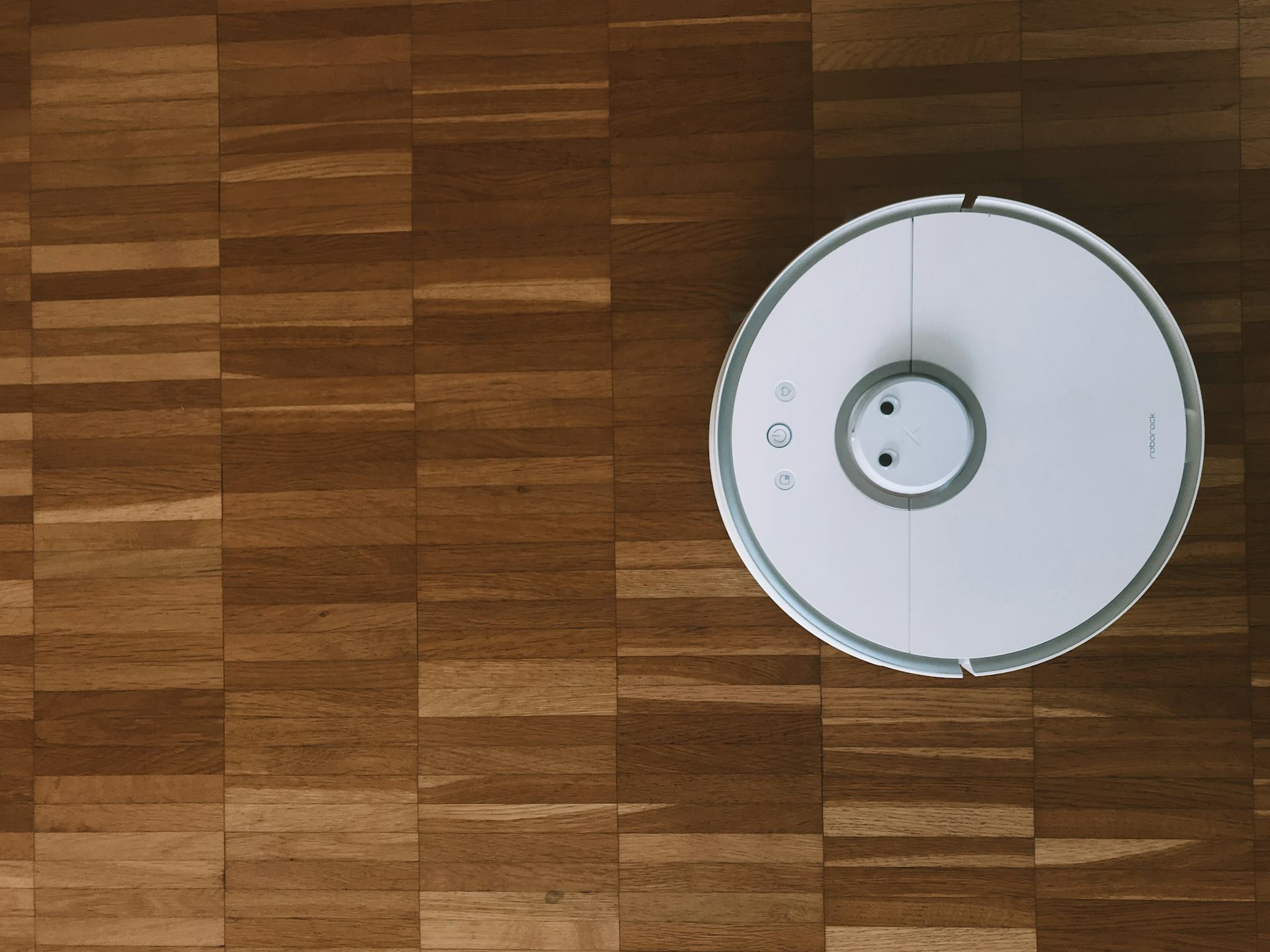
Home IoT: Manage Resources Smarter and Save Energy
The Internet of Things – or IoT – is transforming how Americans live and manage their homes. From smart thermostats and connected lighting to voice assistants and energy monitoring systems, IoT technology makes it easier than ever to track and optimize energy use. But how exactly can these devices help you save money and reduce your environmental footprint? Here’s an overview of the possibilities – and some practical tips to get started.
What Is IoT – and Why Does It Matter for Your Home?
IoT stands for Internet of Things, a term that covers physical devices connected to the internet that can communicate and share data. In a home setting, this means that everything from your lights and HVAC system to your refrigerator and electric vehicle can “talk” to each other and respond automatically to your habits.
It’s not just about convenience. When your devices work together, they can help you use energy more efficiently – for example, by running appliances when electricity is cheaper or greener, and reducing waste when no one’s home.
Smart Thermostats: The Easiest Way to Cut Heating and Cooling Costs
One of the most popular IoT devices in U.S. homes is the smart thermostat. It learns your daily routines and adjusts the temperature automatically, so you’re not heating or cooling an empty house.
- Automatic adjustments: The thermostat can lower the temperature when you leave and raise it before you return.
- Remote control: You can change settings from your phone, whether you’re at work or on vacation.
- Energy insights: Many systems show real-time data on your energy use, helping you identify where to save.
According to the U.S. Department of Energy, homeowners can save around 10% annually on heating and cooling by using smart temperature control – without sacrificing comfort.
Lighting That Thinks for Itself
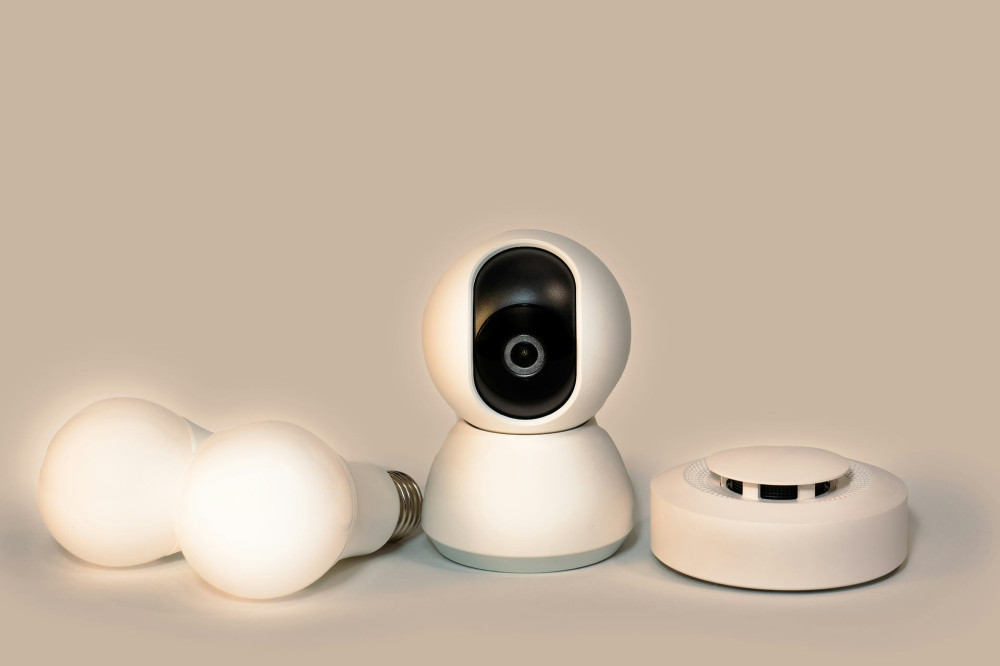
Smart bulbs and motion sensors let you control lighting precisely when and where you need it. You can set lights to turn on as you arrive home, dim automatically in the evening, or switch off when a room is empty.
LED bulbs already use far less electricity than traditional incandescent ones, and when combined with automation, they can further reduce waste. Many systems also integrate with voice assistants like Alexa or Google Home, making control effortless.
Læs også:


Track Your Energy Use – and Find Hidden Power Hogs
Many U.S. utilities now offer apps and IoT devices that give you detailed insights into your electricity consumption. You can see which appliances use the most power and when your usage peaks.
With that knowledge, you can shift energy-intensive tasks – like laundry or EV charging – to off-peak hours when electricity is cheaper and often cleaner. Some smart home systems can even automate this process, adjusting usage based on real-time energy prices.
Water and Air: The Overlooked Energy Factors
IoT isn’t just about electricity. Smart water meters can detect leaks early and alert you before they cause costly damage. Ventilation systems with humidity and CO₂ sensors can automatically adjust airflow, maintaining healthy indoor air quality while minimizing energy waste.
These background systems may not be flashy, but they can make a big difference in both comfort and efficiency – especially in modern, well-insulated homes.
Security and Privacy: Stay Digitally Safe
As more devices connect to the internet, cybersecurity becomes increasingly important. Use strong, unique passwords, keep your devices updated, and choose products from reputable manufacturers that prioritize data protection.
A secure smart home isn’t just about technology – it’s about awareness. Be mindful of what data your devices collect and how it’s used.
How to Get Started
You don’t need to overhaul your entire home to benefit from IoT. Start small – perhaps with heating, lighting, or energy monitoring – and expand gradually.
- Assess your energy use: Identify where you consume the most energy.
- Choose compatible devices: Make sure your products work together through platforms like Google Home, Apple HomeKit, or Amazon Alexa.
- Set up automations: Create simple routines, such as “turn off all lights when I leave.”
- Monitor and adjust: Use the data you collect to fine-tune your system over time.
This step-by-step approach helps you build a home that’s not only smart but also sustainable.
A Home That Works for You
Ultimately, IoT is about using technology to make everyday life easier, more efficient, and more environmentally friendly. When your devices collaborate, you save time, money, and energy – without giving up comfort.
The home of the future isn’t just filled with gadgets; it’s powered by intelligent solutions that help you live smarter. And that future is already here.
Læs også: