Smart Security as Part of Your Home Technology Strategy

Smart Security as Part of Your Home Technology Strategy
Smart home technology isn’t just about convenience anymore—it’s also about safety and peace of mind. From connected locks and cameras to sensors that detect motion, smoke, or water leaks, today’s smart devices can make your home both safer and more efficient. But how do you make smart security a natural part of your overall home technology strategy—without making it overly complicated or expensive? Here’s an overview of the key options and considerations for homeowners in the U.S.
Security as Part of the Whole
When planning your smart home, it’s best to think about security from the start. Many people begin with lighting or voice control, but those same systems can also enhance safety. A smart home works best when devices communicate with each other—for example, when outdoor lights turn on automatically if a camera detects movement, or when you receive a phone alert if a door opens unexpectedly.
By viewing security as an integrated part of your home technology plan, you avoid ending up with a patchwork of devices that don’t work together.
The Core Elements of a Smart Security System
A modern smart security setup can include several components, depending on your needs and budget:
- Smart locks: Allow you to lock and unlock doors via app, code, or fingerprint. You can also grant temporary access to guests, family, or service providers.
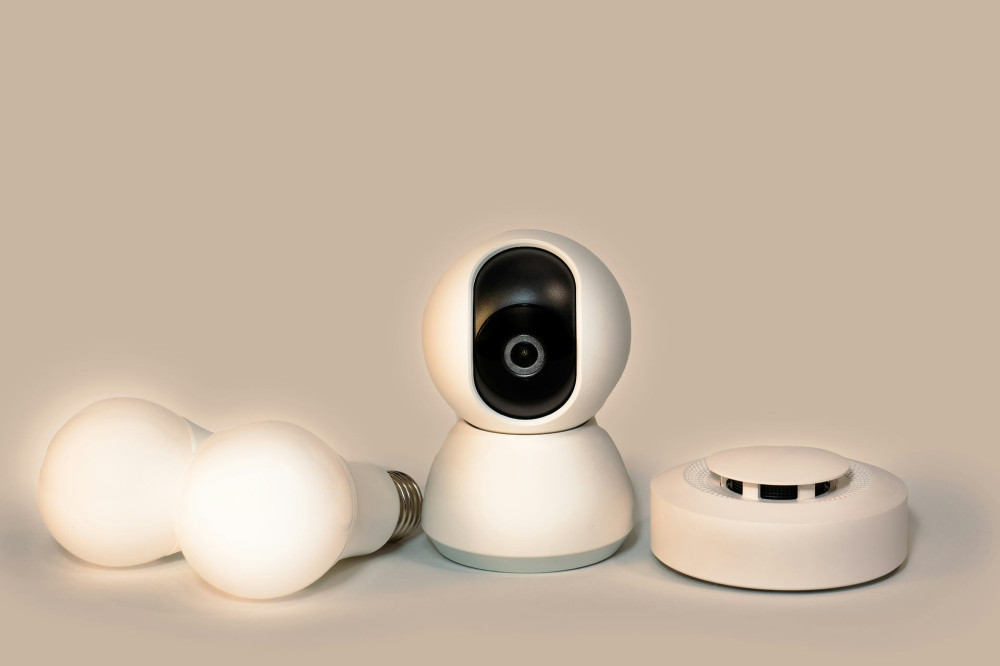
- Security cameras: Available for both indoor and outdoor use. The best models offer motion detection, night vision, and live streaming to your smartphone.
- Motion and door/window sensors: Detect activity and send alerts if something unusual happens.
- Smoke, carbon monoxide, and water leak sensors: Help prevent damage and danger by notifying you immediately of potential hazards.
- Smart lighting: Can simulate occupancy when you’re away, adding an extra layer of deterrence.
When choosing equipment, make sure it integrates with your existing smart home ecosystem—whether that’s Apple Home, Google Home, Amazon Alexa, or another platform.
Automation and Smart Scenarios
One of the biggest advantages of smart security is automation. You can create routines that combine multiple functions, such as:
- When you leave home, doors lock automatically, cameras activate, and lights turn off.
- If motion is detected at night, outdoor lights turn on and you receive a notification.
- In case of a fire alarm, lights can turn on and doors unlock automatically to make evacuation easier.
Automation makes your security system more effective—and less dependent on you remembering to press a button.
Data Security and Privacy
Connecting security devices to the internet means you also need to think about data protection. Choose products from reputable manufacturers that offer encrypted communication and regular software updates. Use strong passwords and enable two-factor authentication whenever possible.
Also consider where your data is stored. Some cameras save footage to the cloud, while others offer local storage on an SD card or home hub. If privacy is a concern, local storage can be a good option.
Læs også:



Integration with Other Systems
Smart security works best when it’s part of a larger connected home. You can link your security system to energy management, for example, so your thermostat adjusts when you activate “away” mode. Or you can connect it to your voice assistant and simply ask, “Is the front door locked?” without getting up.
Many systems now support open standards like Zigbee, Z-Wave, or Matter, making it easier to mix and match products from different brands. This flexibility helps future-proof your investment.
Start Small and Build Over Time
You don’t have to make your entire home “smart” overnight. Start with the areas that bring the most value. A few sensors and a camera can make a noticeable difference in safety and peace of mind. You can always expand later as your needs and budget grow.
The key is to keep the system intuitive and suited to your lifestyle. Smart security should make life easier—not more complicated.
Peace of Mind in a Connected World
Smart security isn’t just about preventing break-ins—it’s about feeling confident and in control. When you can check on your home from anywhere, you gain reassurance and convenience. And when technology helps you prevent damage and respond quickly to emergencies, it becomes an essential part of a safe, modern home.
Læs også: