Self-Thinking Sensors – How to Build an Intelligent Alarm System

Self-Thinking Sensors – How to Build an Intelligent Alarm System
An alarm system is no longer just a siren that goes off when a door opens. Today’s sensors can think for themselves, analyze data, and respond intelligently to what’s happening in your home. With modern technology, you can build a system that not only warns you about intrusions but also learns your habits, detects irregularities, and communicates with the rest of your smart home. Here’s a step-by-step guide to creating your own intelligent alarm system.
From Simple Sensors to Smart Systems
Traditional alarm systems react to a single trigger—motion, sound, or a door opening. The new generation of sensors can do much more. They combine data from multiple sources—motion, temperature, light, sound, and even air pressure—to determine whether there’s a real reason to sound the alarm.
For example, a basic motion sensor can’t tell the difference between your dog and a burglar. A smart sensor, however, can analyze movement patterns and heat signatures, responding only when something truly looks suspicious. The result: fewer false alarms and a system that feels more natural to live with.
Choosing the Right Sensors
A good alarm system uses several types of sensors that work together. Here are some of the most important:
- Motion sensors – detect activity in rooms and hallways. Choose models with built-in AI analysis to reduce false alarms.
- Door and window sensors – detect when something opens or closes. They’re small, discreet, and easy to install.
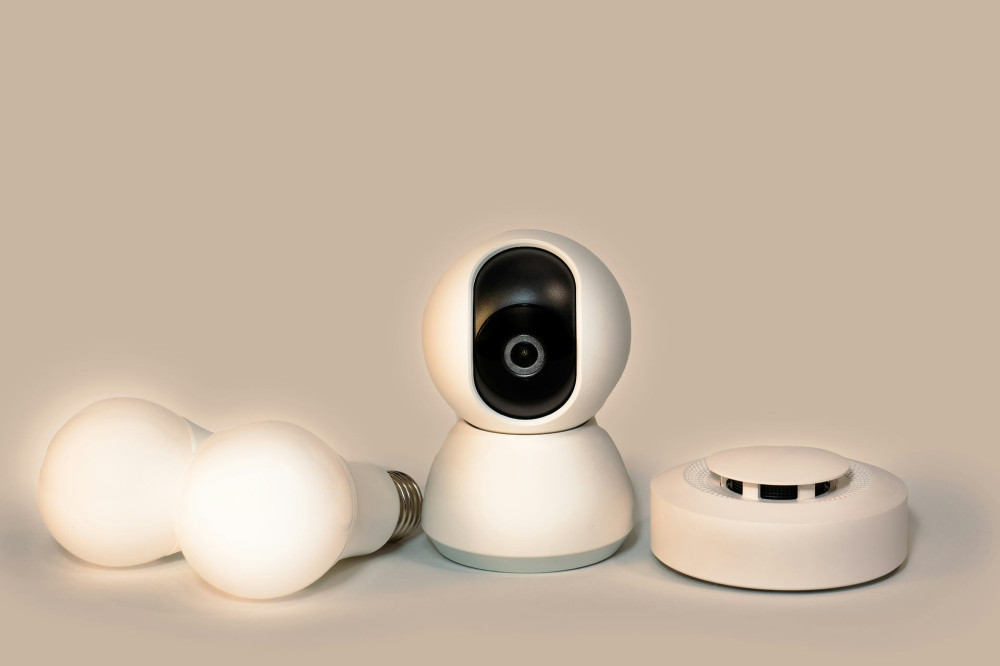
- Camera sensors – provide visual confirmation and can recognize faces or movement patterns.
- Sound sensors – detect breaking glass or unusual noises in your home.
- Environmental sensors – measure temperature, smoke, gas, or water leaks, protecting your home from more than just intrusions.
When selecting sensors, make sure they can communicate using the same protocol—such as Zigbee, Z-Wave, or Wi-Fi—so they can work together as one unified system.
The Hub – The Brain of Your Alarm System
The sensors are the senses, but the hub is the brain. It’s where data is collected, analyzed, and turned into action. You can choose between two main types:
- Cloud-based systems, where data is processed online. They’re easy to set up and accessible through an app but require an internet connection.
- Local systems, where everything runs on a hub in your home. They offer more control and privacy but may require a bit more technical setup.
Many homeowners choose a hybrid solution, where sensitive data is processed locally while notifications and remote control happen through the cloud.
Teach Your System – and Let It Learn You
An intelligent alarm system gets better over time. By analyzing your movement patterns, it can learn when you’re usually home and when the house should be in alarm mode. It can also distinguish between normal and unusual events—like you getting a midnight snack versus a window opening at 3 a.m.
Some systems use machine learning to predict behavior and automatically adjust sensitivity. That means fewer unnecessary alerts and a system that feels like a natural part of your daily life.
Integration with Your Smart Home
A smart alarm system works best when it connects with the rest of your home. For example, you can:
- Have the lights turn on automatically if motion is detected outside.
- Get a live video feed on your phone if a door opens unexpectedly.
- Send alerts to a neighbor or monitoring service if the alarm is triggered.
- Integrate with voice assistants so you can arm or disarm the system with a simple command.
By linking your alarm system with other smart devices—like thermostats, locks, and lighting—you create a home that’s both secure and comfortable.
Security and Privacy
As sensors get smarter, data security becomes even more important. Make sure your system uses encrypted communication and that you control where your data is stored. Choose manufacturers that are transparent about data handling, and always keep your firmware up to date to close potential security gaps.
If you use cameras, consider where they’re pointed and who has access to the footage. A smart system should protect you—not spy on you.
DIY or Professional Help?
Many modern alarm systems are designed for do-it-yourself installation. You can buy a starter kit with sensors, a hub, and an app and have it running in just a few hours. But if you want professional monitoring or integration with existing wiring, it might be worth hiring an installer.
Whatever you choose, the most important thing is that the system fits your home and your needs—and that you feel confident using it.
Læs også:



A System That Thinks Along with You
An intelligent alarm system isn’t just about security—it’s about peace of mind. When your sensors can think for themselves, you don’t have to worry about whether you remembered to arm the system or if your pet will set it off. The system learns your routines, reacts when it should, and stays quiet when everything’s normal.
The alarm system of the future isn’t just a guard—it’s a digital companion that keeps your home safe while you live your life.
Læs også: