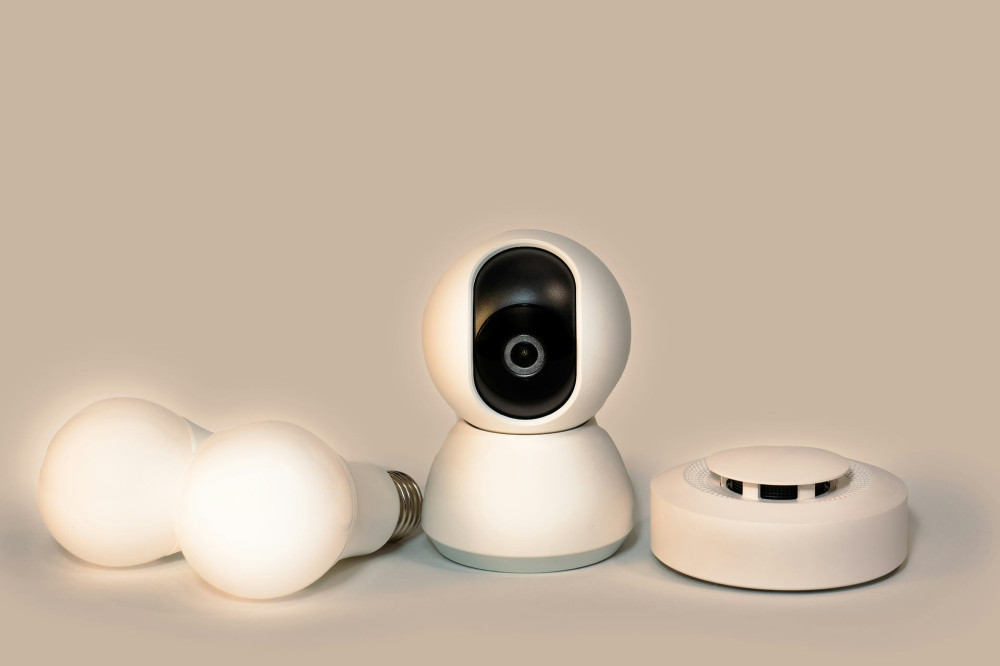
Smart Waste Systems Make Recycling and Waste Sorting Easier

Smart Waste Systems Make Recycling and Waste Sorting Easier
Recycling has become a daily habit for many Americans, but even with the best intentions, sorting waste correctly can still be confusing and time-consuming. Between local recycling rules, limited kitchen space, and busy schedules, it’s easy for good habits to slip. That’s where smart waste systems come in. With innovative design and new technology, these systems make it easier to recycle properly, reduce waste, and keep your home organized.
From Clutter to Convenience in the Kitchen
Most households struggle with multiple bins, bags, and containers that take up space and create clutter. Modern waste systems are designed to solve that problem. They fit neatly into cabinets, under sinks, or in pull-out drawers, making sorting a natural part of your kitchen routine.
Many systems use color-coded bins or clear labels to show where paper, plastic, glass, and food waste belong. Some can even be reconfigured if your city updates its recycling guidelines. The result is a cleaner, more efficient kitchen that supports sustainable living without sacrificing style.
Technology That Tracks and Teaches
The newest generation of waste systems goes beyond simple organization. Smart trash cans and recycling bins now come equipped with sensors and digital features. Some models can detect when they’re full and send a notification to your phone. Others track the weight of your waste, helping you see how much you throw away and where you can cut back.
Advanced models include motion-activated lids, odor filters, and even voice control—features that make daily use more hygienic and convenient. For families trying to build better recycling habits, these small improvements can make a big difference.
Smarter Waste Management in Communities
Smart waste technology isn’t just for homes. Across the U.S., cities and apartment complexes are adopting intelligent waste containers that communicate directly with waste management services. These containers send data about how full they are, allowing collection trucks to plan routes more efficiently. That means fewer unnecessary pickups, lower fuel use, and reduced carbon emissions.
Some cities are also experimenting with automated sorting stations that scan and categorize waste as it’s dropped off. These systems can provide residents with instant feedback on how well they’re recycling and help municipalities collect more accurate data on recycling rates.
Design Meets Sustainability
A good waste system should be both functional and attractive. Many manufacturers now focus on sustainable materials such as recycled plastic, bamboo, or stainless steel. Some systems are modular, allowing you to replace individual parts instead of buying a whole new unit. This approach not only saves money but also reduces environmental impact over time.
Designers are also paying attention to aesthetics, creating bins that blend seamlessly with modern kitchen interiors. The goal is to make recycling feel like a natural, integrated part of home life rather than an afterthought.
Getting Started at Home
If you’re ready to make your recycling setup smarter, start by considering your needs:
- Space: How much room do you have in your kitchen or utility area?
- Local rules: What materials does your city or county require you to separate?
- Technology: Do you prefer a simple manual system or one with smart features and app connectivity?
- Style: Should your bins be hidden or designed to stand out as part of your décor?
Once you’ve answered these questions, you can choose a system that fits your lifestyle. Many home improvement stores and online retailers now offer customizable options for both new and existing kitchens.
Læs også:


The Future of Waste Sorting
As technology continues to evolve, waste sorting will become even more automated. Researchers are developing systems that use cameras and sensors to identify materials automatically, reducing human error and improving recycling efficiency. In the long run, these innovations could help the U.S. move closer to a circular economy, where fewer resources are wasted and more materials are reused.
Still, technology alone isn’t enough. The real change comes from our daily choices. Smart waste systems can make recycling easier, but it’s our commitment to sustainability that ensures those systems truly make a difference.
Læs også: