Minimalist Home Design with Smart Home Solutions


Minimalist Home Design with Smart Home Solutions
Minimalism is about creating calm, functionality, and beauty through simplicity. When this design philosophy meets modern smart home technology, the result is a home that not only looks harmonious but also works intelligently behind the scenes. In this article, we’ll explore how to combine minimalist home design with smart solutions that make everyday life easier—without compromising on style.
What Defines a Minimalist Home?
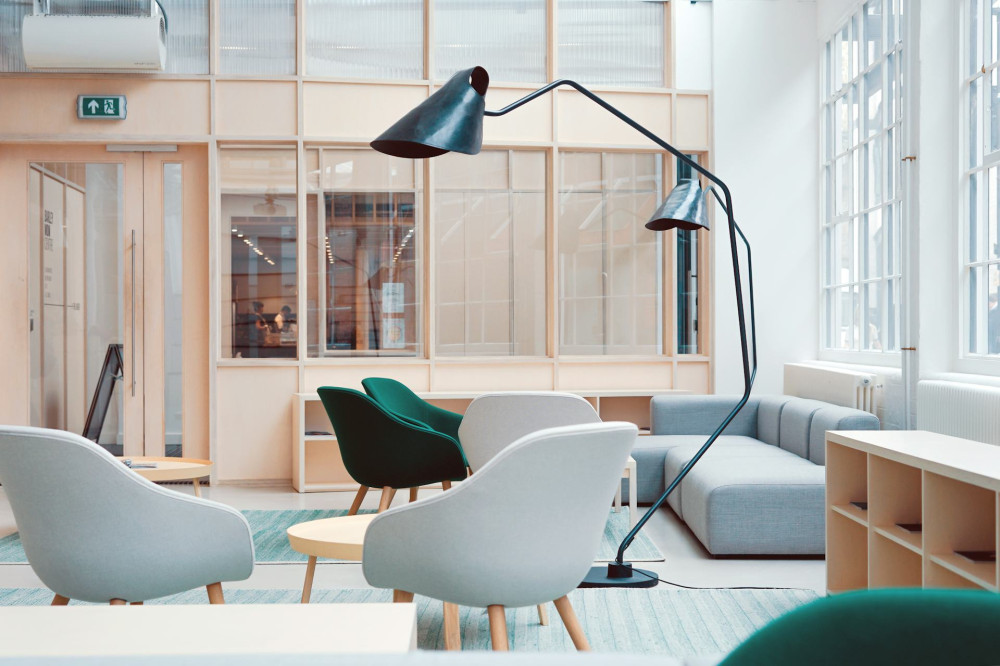
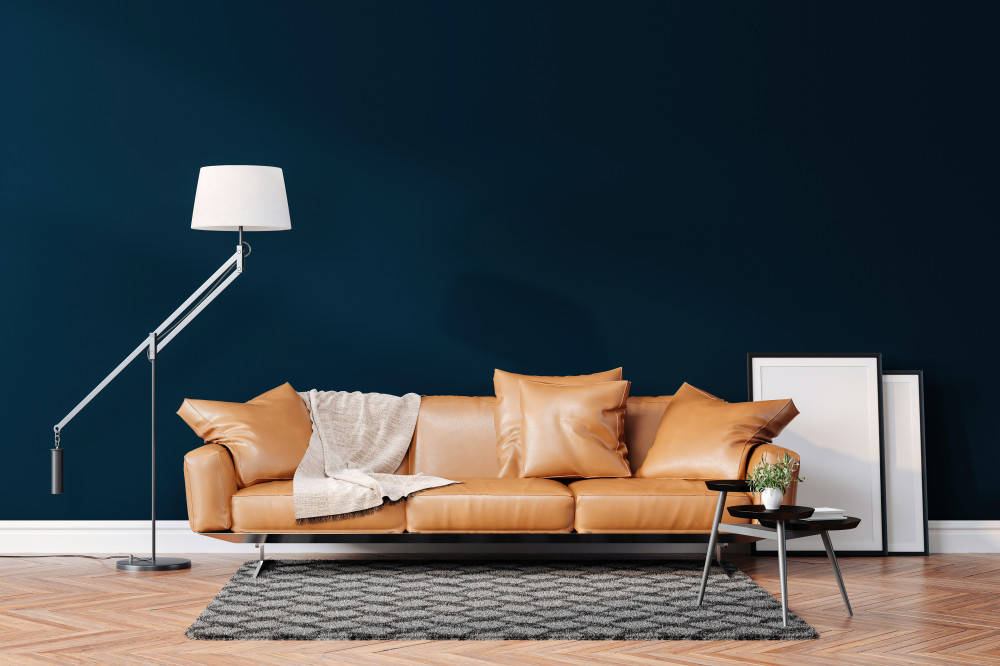
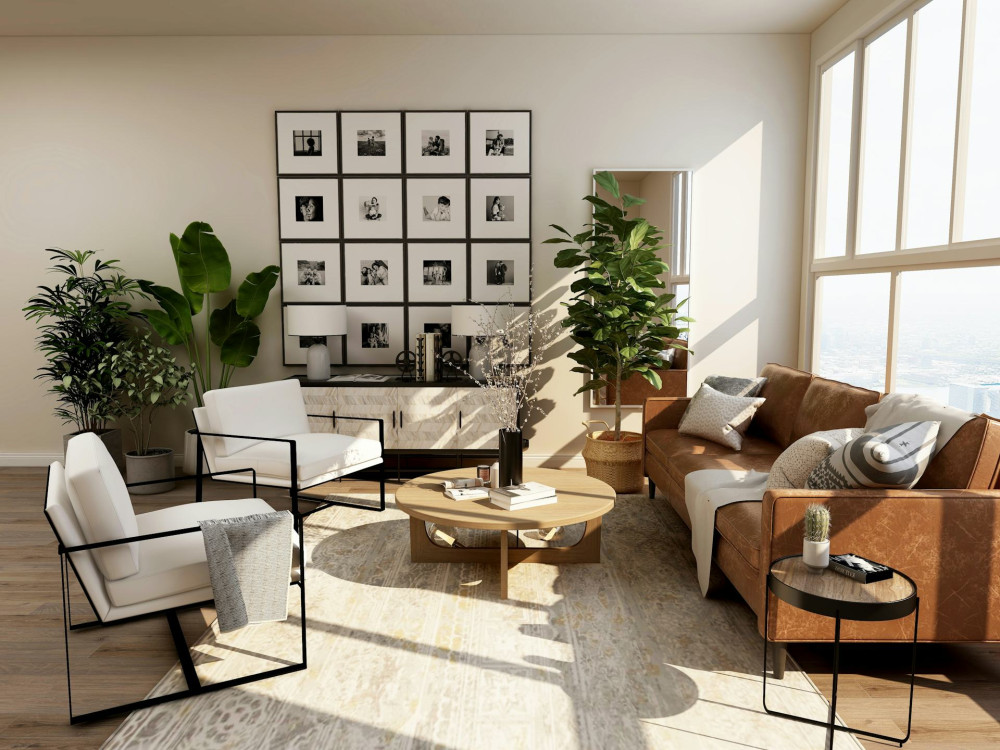
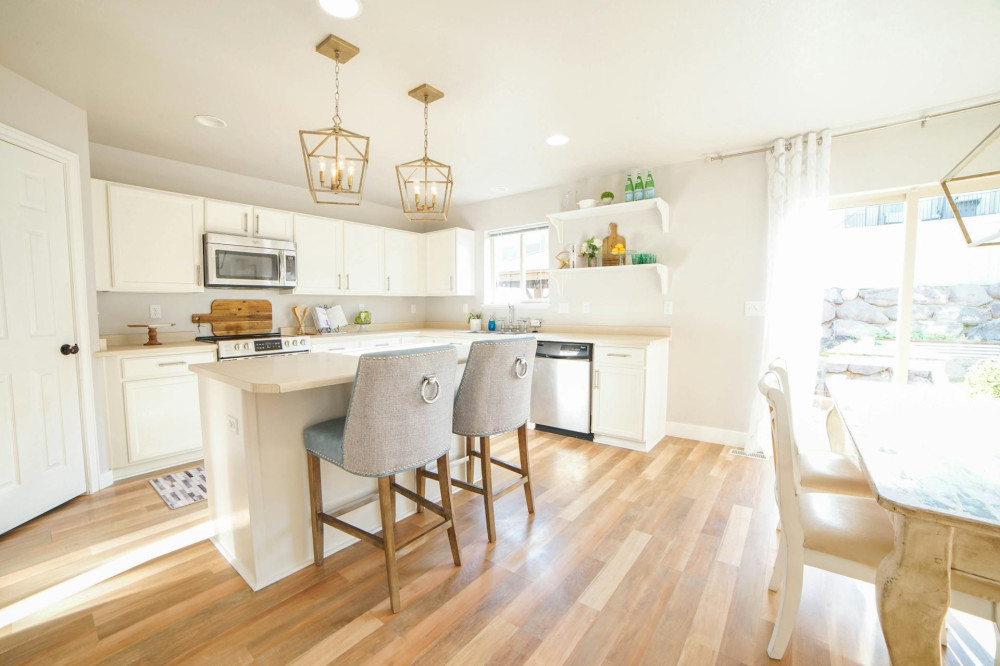
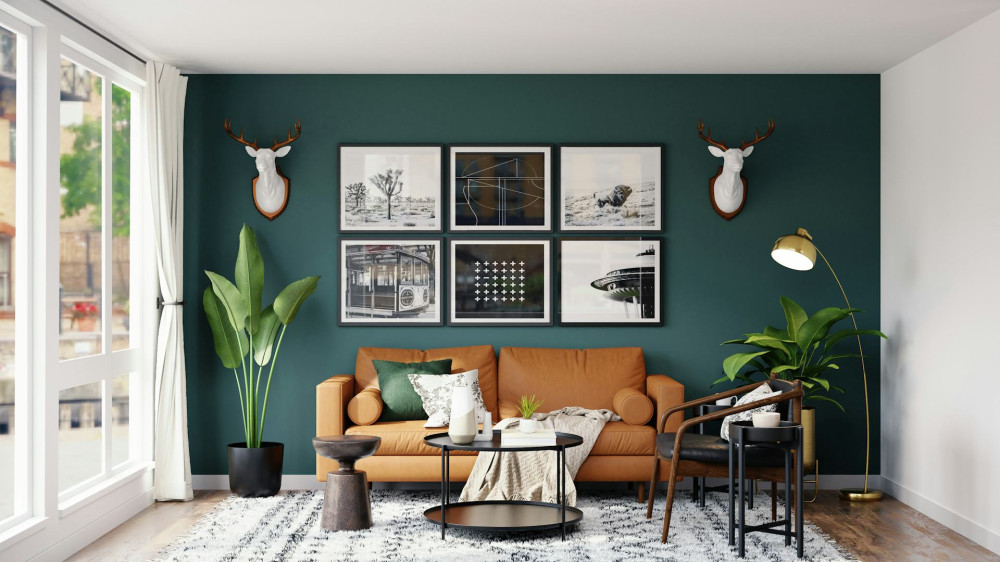
A minimalist home is characterized by clean lines, uncluttered spaces, and a neutral color palette. The focus is on quality over quantity—choosing fewer but better pieces that serve a purpose or bring joy. Every item has its place, and unnecessary distractions are removed to create a sense of openness and peace.
Minimalism is more than an aesthetic choice; it’s a lifestyle. It’s about reducing noise and complexity, both physically and mentally. Smart home technology can naturally extend this philosophy by simplifying daily routines and reducing the need for manual control.
Smart Home as Part of a Simpler Life
At first glance, smart home devices might seem at odds with minimalism—they’re often associated with gadgets and screens. But when used thoughtfully, they can actually enhance a minimalist lifestyle. The key is to choose technology that simplifies your life and integrates seamlessly into your home’s design.
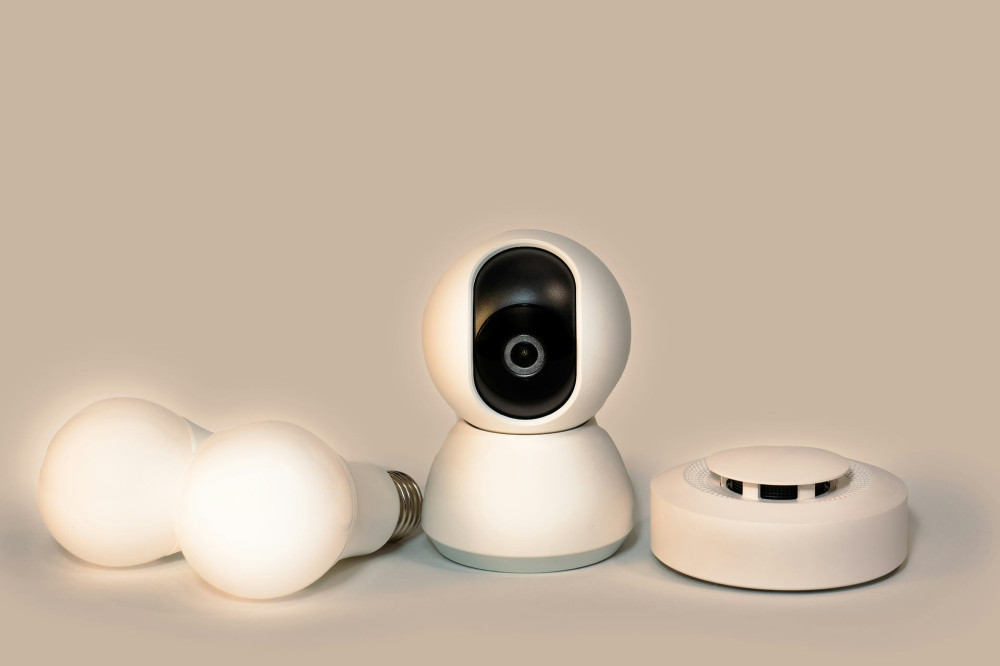
- Automated lighting: Smart lighting that adjusts to your daily rhythm can create a calm and balanced atmosphere. With motion sensors and app-controlled bulbs, you can eliminate visible switches and cords while maintaining a comfortable light environment.
- Smart climate control: Learning thermostats like the Nest or Ecobee adapt to your habits, keeping your home comfortable while saving energy—no manual adjustments needed.
- Voice control and routines: With voice assistants such as Alexa, Google Assistant, or Siri, you can control lights, music, or locks hands-free. This keeps surfaces clear and interactions intuitive.
- Hidden technology: Choose built-in speakers, recessed lighting, and concealed wiring to maintain a clean, uncluttered look. The goal is for technology to disappear into the background.
Design Principles: Where Technology Meets Aesthetics
To make smart home solutions fit naturally into a minimalist space, design and function should be considered together from the start. Here are a few guiding principles:
- Integrate, don’t add – Opt for built-in devices and hidden cables to maintain visual harmony.
- Keep materials and colors consistent – Choose devices in neutral tones that blend with your walls and furniture.
- Use zones and scenes – Program your home to shift moods with a single command: “morning,” “work,” or “evening.” This creates structure and serenity.
- Think sustainably – Select energy-efficient products and systems that reduce waste and consumption.
When technology becomes part of the architecture, your home feels both modern and timeless.
Digital Minimalism at Home
Minimalism also applies to the digital side of life. Many homeowners find that smart home systems help them stay organized and reduce stress when used intentionally. Instead of juggling multiple apps, you can manage lighting, temperature, and security from one central platform. This creates a sense of control and simplicity.
Automation can also free up time. When your home automatically turns off lights, adjusts the thermostat, or alerts you to open windows, you can focus on what truly matters—living, not managing.
Læs også:



Getting Started
If you’re ready to merge minimalism with smart home living, start with a clear plan:
- Identify your needs – What aspects of daily life do you want to simplify? Lighting, climate, security, or entertainment?
- Choose a platform – Make sure your devices work together. Popular ecosystems in the U.S. include Apple Home, Google Home, and Amazon Alexa.
- Start small – Begin with a few key functions and expand gradually. Minimalism is about restraint—even with technology.
- Consider the whole picture – Balance design, functionality, and sustainability in every decision.
A Home That Works for You
When minimalism and smart technology come together, you get a home that’s both beautiful and intelligent—a space where technology quietly supports your lifestyle instead of dominating it. It’s more than a design trend; it’s a way of living where simplicity and innovation coexist, creating a home that truly works for you.
Læs også: